


Asia-Pacific will need 20,000 new aircraft over next two decades: Airbus
Boeing adds that South-east Asia will require about 5,000 new planes by 2044
 Add BT as a preferred source

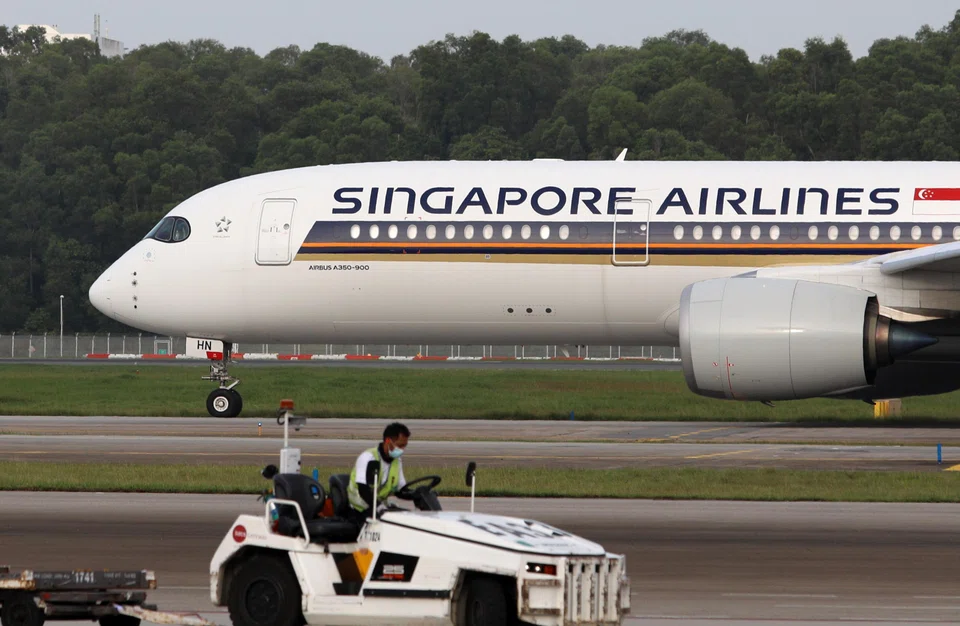
[SINGAPORE] Over the next two decades, Asia-Pacific will need almost 20,000 new aircraft as it is set to remain the world’s fastest-growing air travel market, said European aircraft manufacturer Airbus on Thursday (Feb 5).
It said that the region will require 19,560 new aircraft by 2044 to feed expanding air traffic and fleet growth, as it will account for 46 per cent of global air travel demand. Across the same time frame, air passenger traffic is expected to grow at 4.4 per cent per year, above the global average of 3.6 per cent.
The data was released as part of Airbus’ Global Services Forecast report, which looks at aviation and aviation services trends from 2025 to 2044.
It echoed the bullish sentiment from Boeing, the company told media on Wednesday at the Singapore Airshow 2026. Asia-Pacific in 2025 had an 8 per cent year-on-year rise in revenue passenger kilometres, which is a measure of the volume of passengers carried by an airline – the highest in the world – said Boeing.
The global aircraft fleet is expected to double to 49,210 in 2044 from 24,730 in service in 2024. Around half will be new aircraft, 38.5 per cent will be replacements and 11.8 per cent will be retained.
Accordingly, the services market to support the fleet growth will also expand.
Navigate Asia in
a new global order
Get the insights delivered to your inbox.
In Asia-Pacific, the market for aviation services will grow at a 5.2 per cent compound annual growth rate (CAGR) to US$138.7 billion in 2044, expects Airbus.
Off-wing maintenance – or the removal of engines or major components from aircraft for repair or overhaul – will be the largest contributor, making up US$100 billion.
The global market for these services will grow at a 3.6 per cent CAGR to US$311 billion over the same period.
SEE ALSO

Regions such as Asia-Pacific, China and the Middle East are also projected to increase their share of aviation commercial services to 57 per cent by 2044, compared with 46 per cent in 2025.
South-east Asia
The South-east Asian region has also been growing rapidly since the turn of the century, said Boeing.
Monthly flights as at October more than doubled from about 106,000 to 255,000, while monthly seats nearly trebled in the same period, from 18.5 million seats to 50.3 million.
However, narrow-body seat capacity – that is, seat availability on single-aisle planes such as Boeing 737 and Airbus A320 – has not recovered since the Covid-19 pandemic, noted Boeing.
For routes under 5,600 km, single-aisle capacity in terms of available seat kilometres – which measure airlines’ carrying capacity – fell 6 per cent in South-east Asia. This compares with an 8 per cent increase in all of Asia.
South-east Asia also has the second-oldest narrow-body fleet in the world at an average age of 10.5 years. The larger Apac single-aisle fleet clocks in at an average age of 9.6 years.
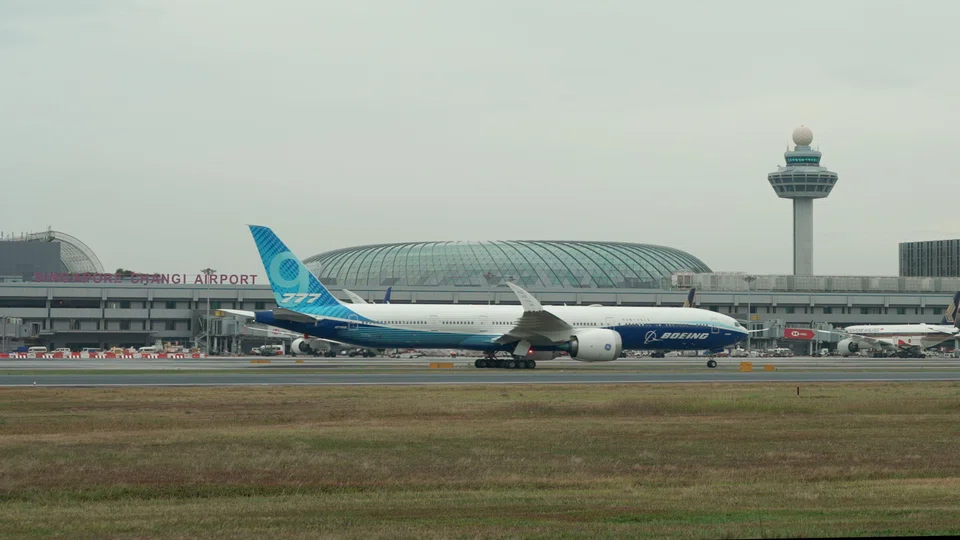
Boeing forecast that South-east Asia will need 5,000 new planes by 2044. About 80 per cent will be narrow-bodies such as the 737 and A320, 19 per cent of planes will be wide-bodies such as the Boeing 777X, and 1 per cent will be freighters such as Singapore Airlines’ future Airbus A350F and regional jets such as Scoot’s Embraer E190-E2.
Decoding Asia newsletter: your guide to navigating Asia in a new global order. Sign up here to get Decoding Asia newsletter. Delivered to your inbox. Free.
Copyright SPH Media. All rights reserved.

