Bringing buzz to Woodlands, Kranji and Sembawang: Things to know
Singapore’s northern region is set to be transformed from a remote to urban precinct

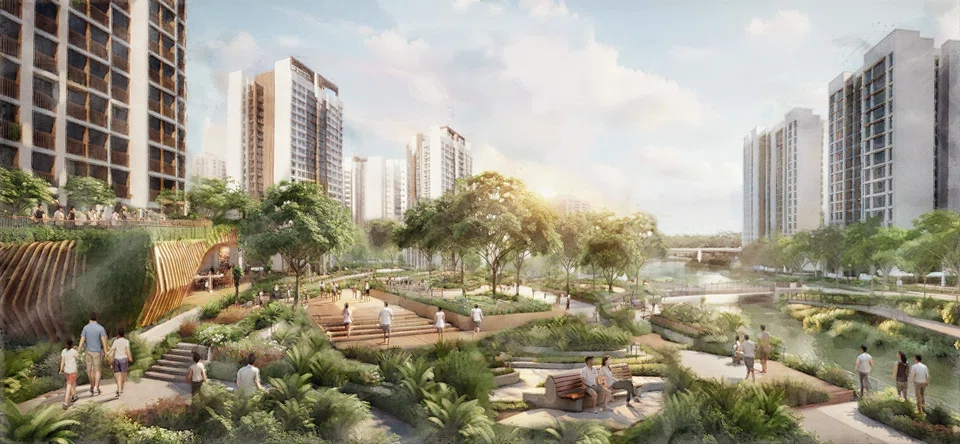
[SINGAPORE] The Republic’s northern region is set to be rejuvenated into a vibrant precinct with business and industrial districts alongside nature, housing and transport amenities.
At the National Day Rally on Sunday (Aug 17), Prime Minister Lawrence Wong fleshed out plans to redevelop Singapore’s northern areas of Woodlands, Kranji and Sembawang – at times labelled as “ulu”, or remote by some.
The URA Draft Master Plan 2025 – released in June – outlines land use for the next 10 to 15 years. Here are some details of the northernmost areas today and what they might look like under URA’s blueprint:
Woodlands: Northern gateway to Malaysia
Woodlands, which houses the Woodlands Regional Centre, will provide a northern gateway to Malaysia.
PM Wong reiterated plans to expand Woodlands Checkpoint to boost cross-border connectivity and tap the growth potential offered by the Johor-Singapore Special Economic Zone (JS-SEZ).
It would be five times bigger and slash travel times, with the first phase of the redevelopment set to be fully operational from 2032.
The first phase of redevelopment works will extend the Old Woodlands Town Centre and build 21 bidirectional cargo lanes and 78 arrival car lanes – boosting cargo clearance capacity by 30 per cent and arrival car clearance capacity by 95 per cent.
Land around the centre has been acquired for the project, with plans to reclaim more. The 78 arrival car lanes may be converted to 156 arrival motorcycle lanes, providing flexibility to manage traffic during peak periods.
The Bukit Timah Expressway (BKE) will be lengthened to create a direct route for vehicles exiting Woodlands Checkpoint to ease traffic congestion, while surrounding road networks will also be upgraded to improve traffic flow.

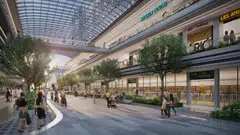
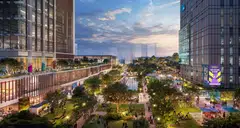
Construction at the Old Woodlands Town Centre and the BKE extension is expected to be completed progressively from 2028. Subsequently, the old Woodlands Checkpoint will be demolished, redeveloped and integrated with the redeveloped Old Woodlands Town Centre, which is to be fully operational from 2032.
Woodlands will be the location of the Singapore station of the upcoming Johor Bahru-Singapore Rapid Transit System (RTS) Link. Set to begin passenger service by December 2026, it will be directly connected to Woodlands North MRT station on the Thomson-East Coast Line.
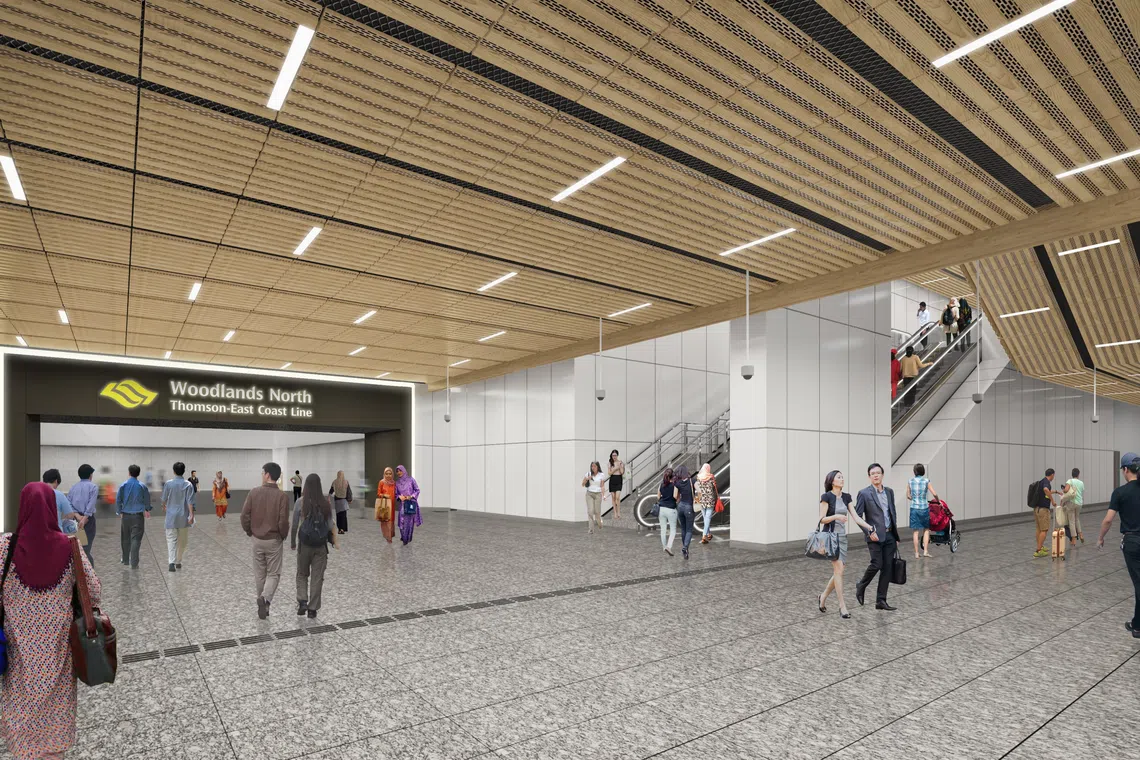
This will make cross-border travel more convenient with connectivity between the RTS and the MRT. Passengers will be able to clear both Singapore’s and Malaysia’s customs upon departure.
A new multi-modal transport hub in Woodlands will connect the RTS Link to MRT and bus services. It is expected to be completed in the mid-2030s.
As part of a seven hectare (ha) integrated development designated for “business-white” use, the hub will have office, industrial and retail spaces for businesses and the community. “Business-white” zones allow industrial developments to have a greater proportion of non-industrial uses.
The URA said that complementary developments such as co-working spaces, alongside hotels and housing, may be considered as well. Flexible industrial spaces will be built around the RTS Link station to support businesses taking advantage of the JS-SEZ. There are also plans to build new homes, including 4,000 flats near Admiralty Park and more homes along Woodlands waterfront.
The Gali Batu site in Woodlands is being studied for potential construction aggregate storage, as the government is exploring underground developments as part of efforts to optimise land use and free up surface land.
Kranji: New housing estate around nature
At 130 ha or about 200 football fields, the former Kranji Turf Club will house some 14,000 new public and private homes. Set to be ready in around 10 years, the estate will include a new neighbourhood centre near Kranji MRT station.
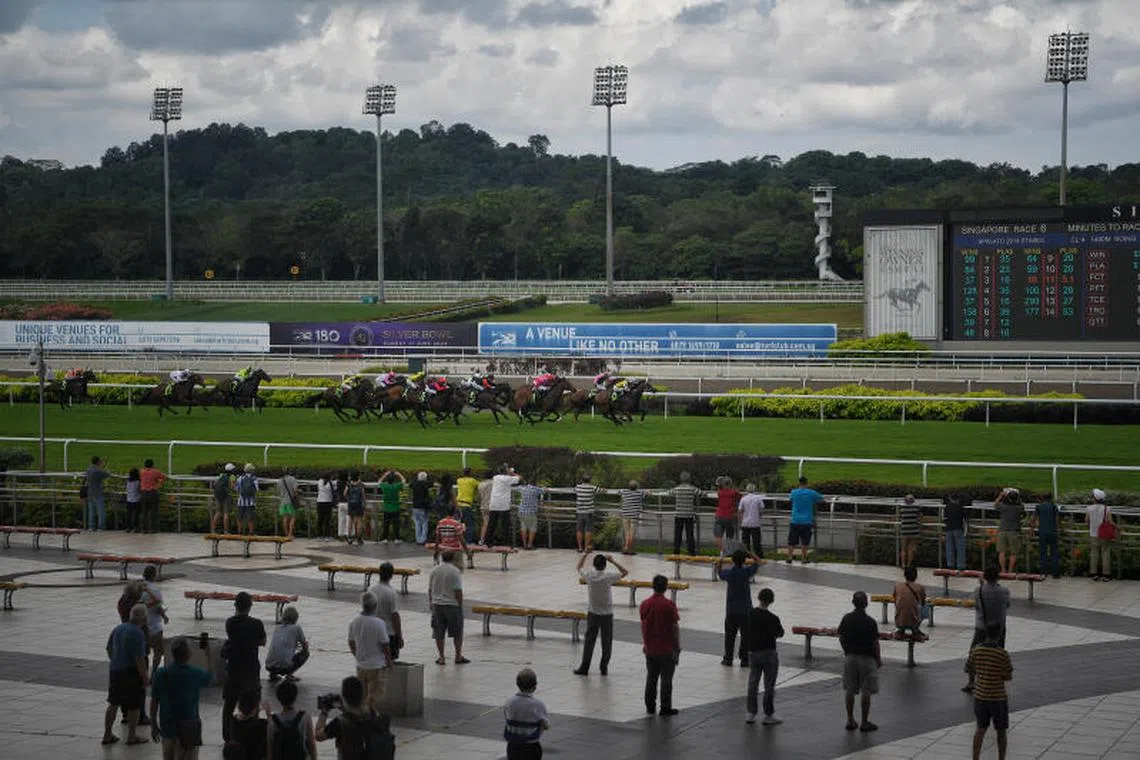
Green spaces will include a new nature park, the Mandai Wildlife Reserve, the Rail Corridor and the Sungei Mandai waterway, as well as the Mandai Mangrove and Mudflat Nature Park, set to open in 2028.
Sungei Kadut industrial estate is progressively rejuvenated and will get a new MRT station and interchange to improve connectivity. Slated to open in 2035, the interchange will link the North-South and Downtown MRT lines, and will be one stop away from the existing Kranji MRT station.
Sungei Kadut will be upgraded to a place for emerging industries such as agritech, environmental technology and built environment – with four new precincts to make up the Sungei Kadut Eco-District, according to URA’s and JTC’s websites.
Sembawang: Vibrant waterfront with maritime heritage
The Sembawang Shipyard – a former British naval base before it became a shipyard in 1971 – will be transformed into a vibrant waterfront project incorporating its maritime heritage.
About three times the size of Ang Mo Kio Town Centre, the area will feature housing and a promenade with dining, shopping and community spaces.
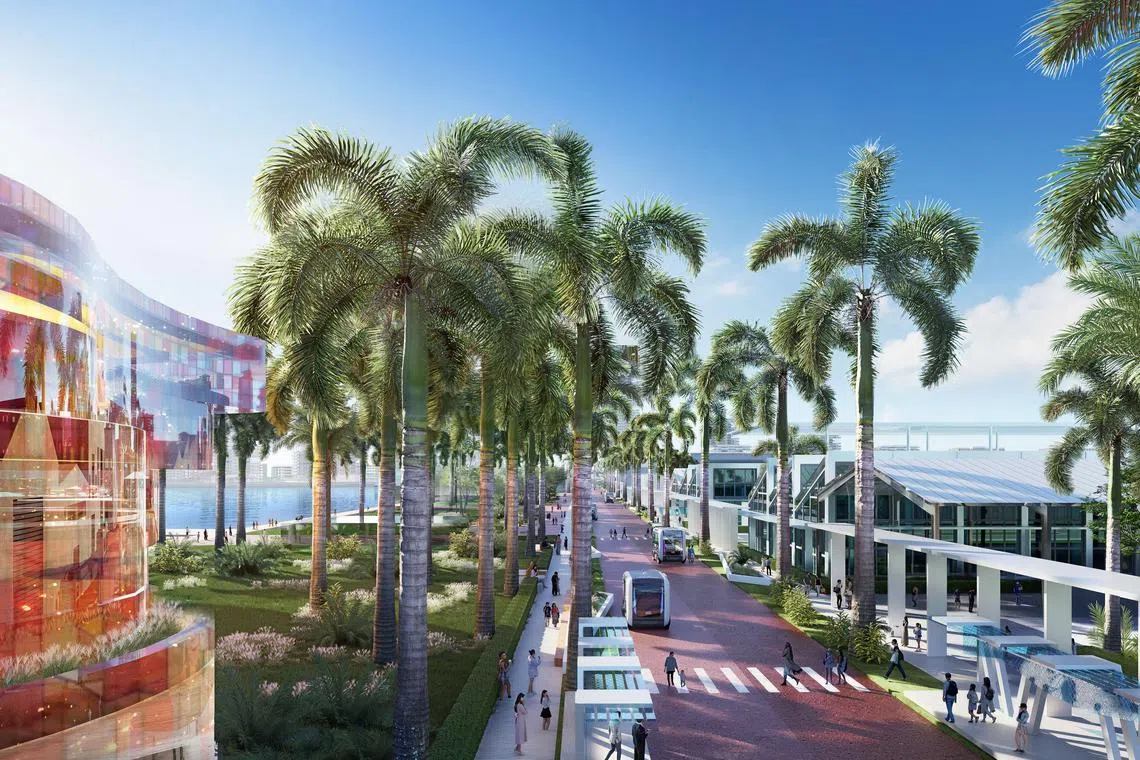
The shipyard’s dry dock could be converted into a space for sports, concerts, performances, events or social events.
The former Sembawang Fire Station – which has a striking Art Deco-Modern design – may be transformed into a community and lifestyle hub, according to URA.
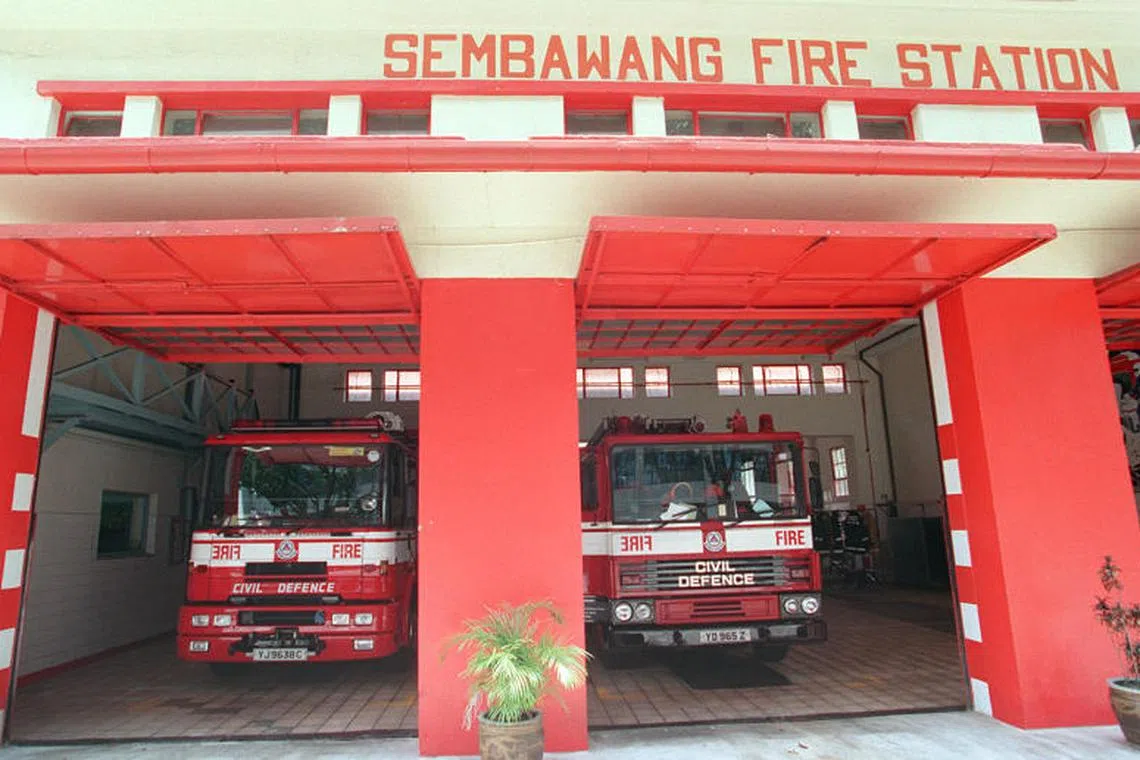
The URA is collaborating with the Singapore Institute of Architects and the Singapore Institute of Planners for the shipyard’s redevelopment.
Property prices
Despite its size, the North has seen comparatively lower housing supply in areas such as Sembawang and Sungei Kadut, contributing to steady home price growth in recent years.
Between 2020 and July 2025, median prices for private condos in Sembawang, Sungei Kadut and Woodlands increased by 38.2 per cent, according to ERA Realty Network’s key executive officer Eugene Lim.
This was behind the 42 per cent rise in the non-landed Outside Central Region (OCR) index.
However, HDB resale prices in Sembawang and Woodlands increased by 54 to 89 per cent during the same period, outpacing the national HDB Resale Price Index rise of 54 per cent.
Rental demand has also risen sharply, with average rents in the North climbing 82 per cent over five years to S$3.89 per square foot per month – exceeding growth across OCR.
Decoding Asia newsletter: your guide to navigating Asia in a new global order. Sign up here to get Decoding Asia newsletter. Delivered to your inbox. Free.
Copyright SPH Media. All rights reserved.