

Building tomorrow’s growth in a more volatile world
EDB is deepening Singapore’s competitive edge by strengthening its global business hub status while creating new sources of growth
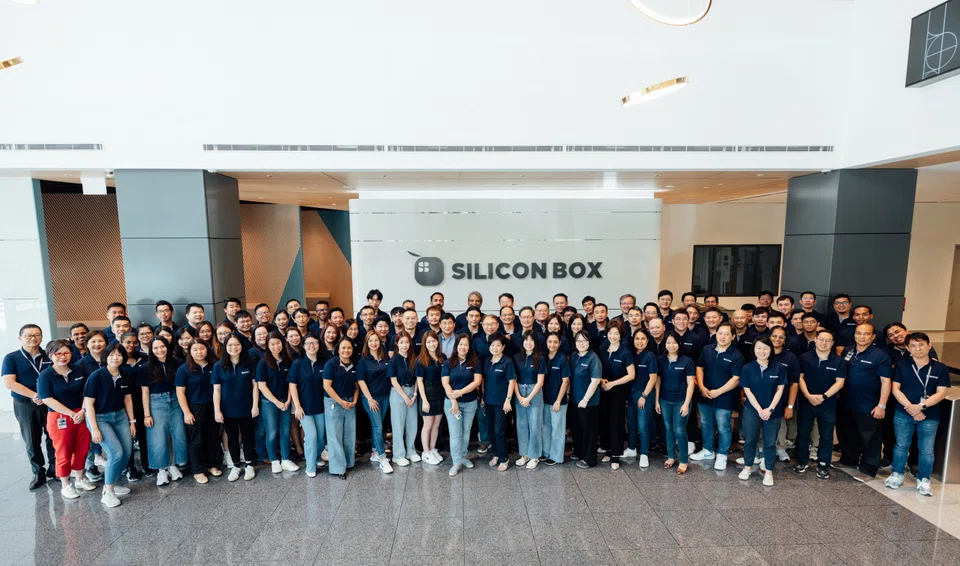
WHEN semiconductor startup Silicon Box decided to establish its first manufacturing and research facility in 2022, the Economic Development Board (EDB) saw an opportunity to anchor one of the industry’s most promising emerging technologies in Singapore. Working with EDB, JTC and other government agencies, Silicon Box moved from investment decision to operations in just 18 months. In July 2023, it unveiled its S$2 billion state-of-the-art facility. It has since established its global headquarters here with over 600 employees.
Silicon Box specialises in advanced semiconductor packaging, with a focus on high-density chiplet integration and panel-level packaging. These areas are gaining momentum as technology sectors require more powerful chips. In 2025, the company proved its flagship Tampines Wafer Park facility could mass-produce advanced chips at viable commercial yields. The breakthrough helps ease critical packaging bottlenecks for applications including AI, robotics, electric vehicles and satellite technology.
The investment has reinforced Singapore’s position as a leading semiconductor hub, with companies across the industry value chain, including wafer fabrication, integrated circuit design, and assembly and test. One in 10 chips and one-fifth of global semiconductor equipment produced annually comes from Singapore, and the industry contributes close to 6 per cent of GDP and employs more than 35,000 people.
Silicon Box’s presence has introduced new capabilities to the ecosystem, including training the next generation of advanced manufacturing talent. Its journey in Singapore reflects EDB’s work to deepen Singapore’s leadership in sectors from semiconductors to industrial solutions to health care and aerospace.
At the same time, Singapore’s strong and diverse base of existing industries provides a foundation from which to pursue new engines of growth. EDB is working on both fronts: helping companies already here move into higher-value activities, while bringing in new capabilities and businesses in emerging growth areas.
Transforming manufacturing from within
Strengthening Singapore’s manufacturing leadership also means helping long-standing investors harness new technologies and expand into higher-value activities. This has created new job and leadership roles for Singaporeans.
For tech company HP, what began as a 62-person plant producing computer memory components in 1970 has evolved into one of its most advanced manufacturing and R&D operations globally. Today, Singapore is a strategic hub for HP, producing sophisticated printheads and sustainable latex inks while pioneering AI-enabled manufacturing and R&D capabilities.
The Singapore Printhead Manufacturing site has been recognised by the World Economic Forum (WEF) as a Global Lighthouse Factory, where automation, data analytics and AI have strengthened productivity, quality and resilience.
Rockwell Automation’s Singapore story reflects continual reinvention. The company started with a regional sales office here in 1991 before expanding into R&D, manufacturing and regional sales. Today, engineers here develop industrial automation solutions deployed across Rockwell’s global network, while integrated R&D and manufacturing operations shorten development cycles and accelerate innovation.
Rockwell’s Singapore site has also been recognised as a WEF Global Lighthouse, after deploying more than 50 digital and AI-enabled solutions that increased labour productivity by 43 per cent and shortened worker training time by 67 per cent.
“Rockwell celebrated 35 years in Singapore this year, and one constant has been the pipeline of skilled talent here. Locally trained engineers and business leaders have helped our Singapore operation evolve from a small sales office into our regional headquarters operating alongside a sophisticated manufacturing facility and R&D hub,” says Steven Goh, VP and GM of Rockwell Automation’s Asia Pacific Business Centre.
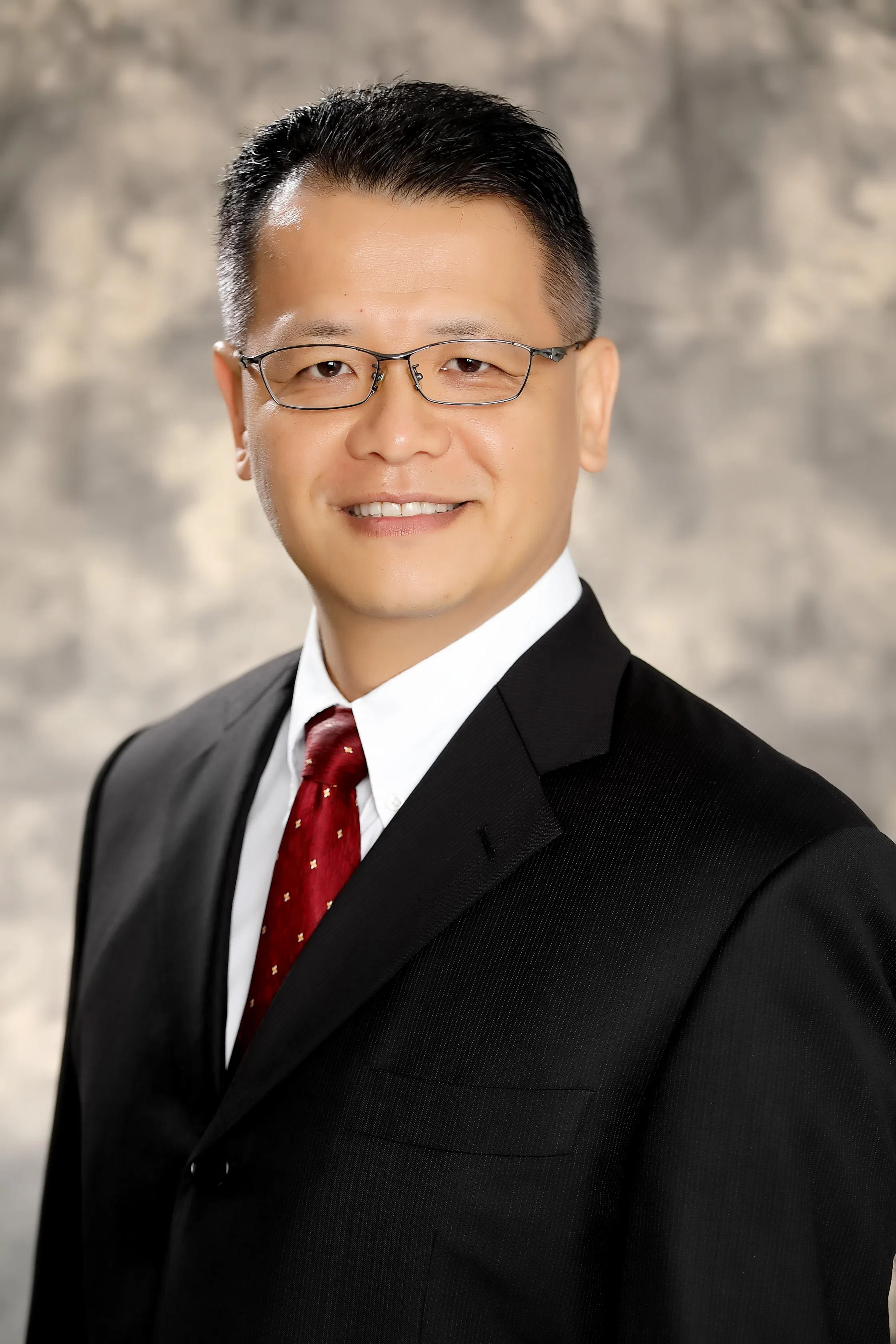
“We are now harnessing this Singaporean expertise to help manufacturers globally build more resilient, adaptive and productive Factories of the Future.”
Building new engines of growth
Singapore has doubled down on helping companies and employees adopt AI for productivity and growth. A new set of national AI missions focused on advanced manufacturing, connectivity, finance and health care, announced during Budget 2026, will further drive AI-led transformation in key economic sectors.
Fintech leader Revolut, industrial solutions giant Johnson Controls and aerospace leader Thales are among the firms that have expanded their AI activities in Singapore. Today, nearly 100 companies across industries have AI Centres of Excellence (CoE) in Singapore. Professional services firm KPMG is an example – its Trusted AI CoE is designed to help organisations move beyond AI experimentation and embed AI as a trusted, enterprise-ready asset.
Frontier AI companies are also building capabilities here. OpenAI started up in Singapore in 2024 and announced a commitment of over S$300 million to anchor their first international Applied AI Lab outside the United States in Singapore, adding more than 200 roles over the next few years. AI coding company Cognition has chosen Singapore as its regional headquarters, to develop and deploy advanced enterprise AI solutions across the region.
For these companies, Singapore’s trusted business environment, regional connectivity and talent pool have given them the confidence to invest. These fundamentals have also led firms like Chinese tea beverage brand CHAGEE, South Korean retail giant Lotte Shopping and Swiss technology firm Enclustra, to set up regional headquarters here to manage operations and secure supply chain resilience.
Riding on these strengths, EDB is working to attract investments from a broader range of modern services companies, while supporting the development and commercialisation of emerging technologies for industries of the future.
Take professional services firm PwC’s Trade Advisory Hub. Launched this year and backed by a S$4 million investment over three years, the hub will serve growing demand for specialised services that help firms navigate greater trade and geopolitical uncertainty. The hub will deepen Singapore’s expertise in risk management and provide opportunities for employees to develop specialised, in-demand skills.
Similarly, Swedish-founded cybersecurity leader Yubico’s new Singapore headquarters will bring advanced hardware security programming capabilities – previously available only in the United States and Sweden – to the region.
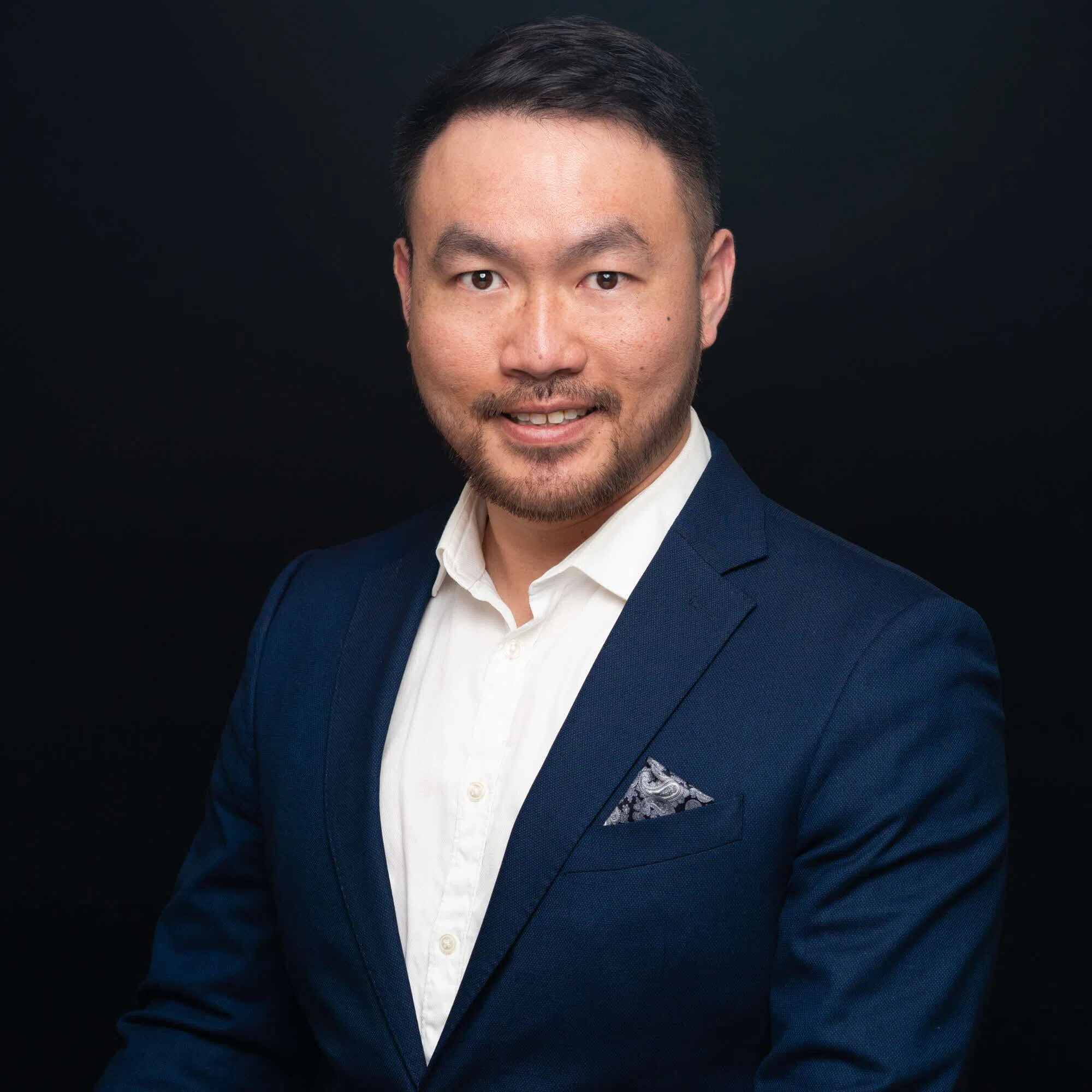
The office is led by Singaporean Alvin Toh, a Yubico veteran of more than 12 years. “Singapore offers a unique combination of global connectivity, highly skilled talent and a strong innovation ecosystem,” Toh says. “Establishing our headquarters here allows us to work more closely with organisations across Asia-Pacific to strengthen cyber resilience and advance modern authentication standards.”
Earlier this year, quantum computing company Quantinuum set up a new R&D and Operations Centre in Singapore, to help translate quantum research into real-world industry applications such as pharmaceuticals, material sciences and finance.
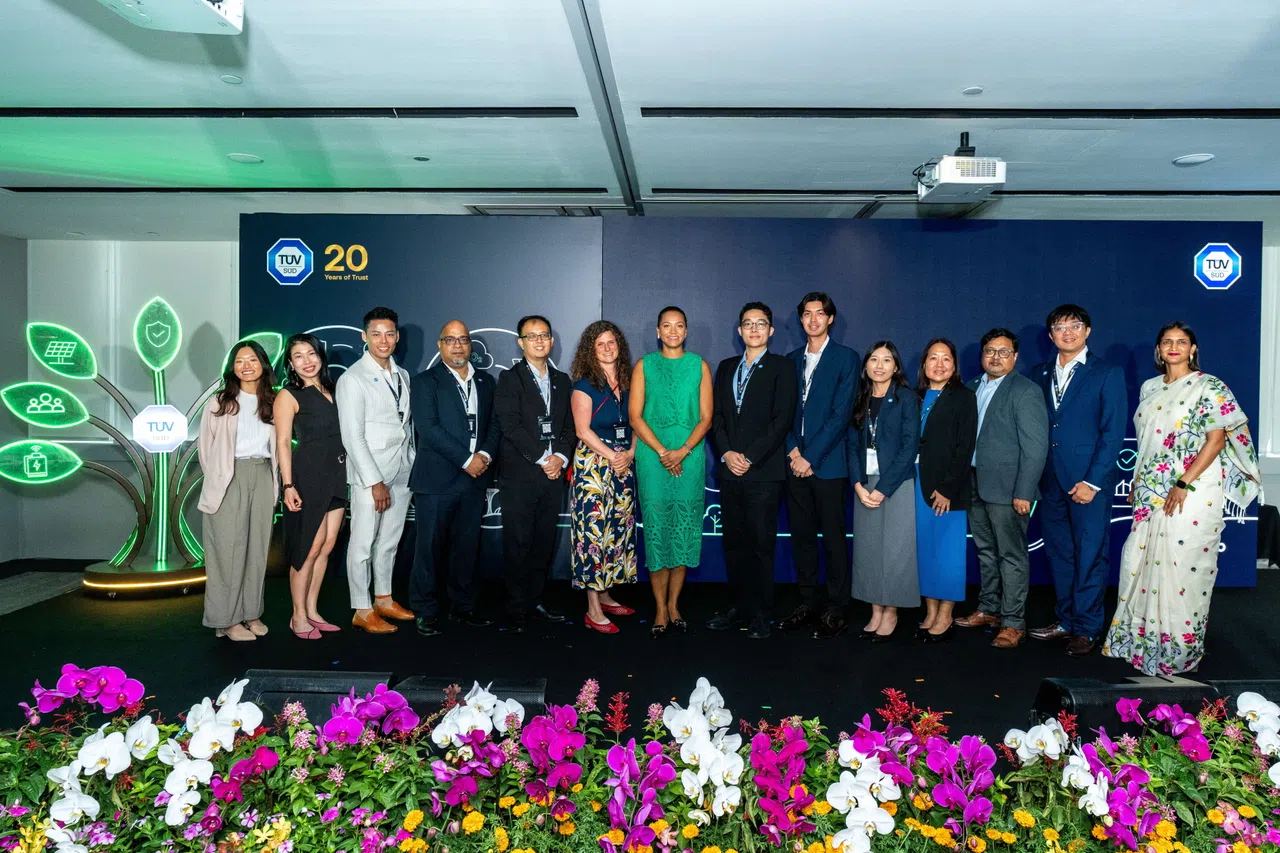
Asia’s green transition is also creating new opportunities for trusted decarbonisation services. TÜV SÜD’s Global Decarbonisation CoE in Singapore will bring together global expertise in testing, inspection and certification, digital Monitoring, Reporting and Verification (dMRV) ecosystems to support high-integrity carbon markets and reinforce Singapore’s position as a trusted hub for companies pursuing climate innovation.
EDB’s managing director Jermaine Loy says Singapore’s trusted institutions, strong industry base, global connectivity and pro-business environment provide important foundations for growth.
“In a more volatile and competitive world, Singapore must keep renewing our competitive edge. This means helping established industries move into higher-value activities, while building new capabilities and sources of growth.
“Ultimately, our aim is to strengthen our economy, create good jobs and opportunities for Singaporeans, and ensure that Singapore remains a leading global business hub for the long term.”
Anchoring the next generation of leading enterprises in Singapore
THREE out of every four smartwatches in the world run on chips made by Ambiq, an NYSE-listed company that recently made its trading debut on the Singapore Exchange.
Ambiq specialises in semiconductor solutions for battery-powered devices in the wearables, healthcare and Internet-of-Things space.
Set up in 2010 at the University of Michigan, the company went public in 2025. It is now valued at over US$1.5 billion (S$1.9 billion) and has shipped over 300 million devices globally to date.
Singapore has featured in Ambiq’s growth journey since 2018, when EDBI (now part of SG Growth Capital) participated in the company’s Series E funding round, providing capital and support to build its high-value engineering, product development and innovation capabilities. In 2021, Ambiq established its Asia headquarters in Singapore, followed by a Technology Design Centre a year later.
Earlier this year, with EDB’s support, it announced a new Singapore office and Centre of Excellence dedicated to developing next-generation edge AI technologies for global markets.
“Singapore is a crucial hub for Ambiq’s advanced R&D and engineering efforts,” says Ambiq CEO Fumihide Esaka.
“Singapore’s strong talent base, robust research ecosystem, and close collaboration across industry and academia make it an ideal location for advancing our most complex edge AI technologies.”
Ambiq is the type of high-growth venture EDB wants to anchor in Singapore, with the potential to grow into a globally significant business.
This strategy refreshes EDB’s investment promotion approach. While it continues to attract headquarters, advanced manufacturing and innovation activities by leading companies, it is hunting for opportunities to bring in top founders to build ventures that will grow cutting-edge and frontier capabilities from Singapore.
Growing from a meaningful base
Singapore already has a meaningful base to build on, with 31 of South-east Asia’s 55 unicorns having been built from Singapore, including Carousell, Razer, and Nium, all of which have expanded globally.
“We intend to build on that momentum,” says executive vice-president Choo Heng Tong, adding that EDB is working with leading venture capital and private equity firms to identify, anchor and support high-growth companies.
EDB’s new approach has yielded early results. Its Global Founder Programme (GFP) – launched in April 2025 – has helped close to 80 experienced serial founders grow more than 45 new ventures, over half in AI and deep tech. As of July, these ventures have garnered investor interest and collectively raised more than US$2 billion in venture capital funding.
There have also been several companies identified as potential industry leaders that have sunk roots in Singapore, such as Sierra.
Founded by former Salesforce co-CEO and current OpenAI chairman Bret Taylor, as well as former Google executive Clay Bavor, Sierra works with many of the world’s biggest brands to build AI agents that deliver better customer experiences and drive revenue.
The company established its regional headquarters in Singapore in late 2025 to support its rapidly growing South-east Asian customer base. It has partnered with local players like Singtel, going live in less than 10 weeks with meaningful business results, while building an AI agent development team here that works closely with its US R&D counterparts to tailor products for regional needs.
“Singapore is home to incredible talent, both in technology and the multicultural expertise that’s so important as we build Sierra across South-east Asia,” says Bavor, co-founder of Sierra. “Having people on the team who understand the local markets and nuances helps us build better products and ultimately be better partners for our customers.”
A launchpad for global ambition
Singapore’s pitch to founders has focused on its value as a trusted hub, access to a growing region, strong global connectivity, talent pool and innovation ecosystem.
Ankur Singla, who previously built and scaled enterprise infrastructure companies, says this is why he chose Singapore to start Exaforce, an agentic cybersecurity company that uses AI to detect, investigate and respond to cyber threats autonomously.
Through EDB’s GFP, Exaforce is expanding its AI research and engineering presence in Singapore to develop the next generation of intelligent cybersecurity agents.
Singla says, “Our ambition is for Singapore to be our regional R&D centre, not a satellite sales office. A team that owns foundational problems in two areas: our real-time knowledge graph, our agentic software, and threat research.
Over the next three to five years, we plan to grow the team in R&D, with the endgame being security operations where AI handles the volume and humans handle the judgement.”
Noah Pepper, a former Stripe senior executive, founded Multiplier Holdings in Singapore, which acquires tax, accounting and other professional services firms and transforms their operations with AI.
At Stripe, Pepper led the company’s regional expansion across Asia and experienced firsthand the ease of building and scaling a global product from Singapore.
This led him to double down on Singapore as “a major node in the global network” that Multiplier Holdings is building – a base to access talent, capital and customers across Asia and beyond.
As part of Singapore’s Economic Strategy Review – the long-term blueprint for the country to stay globally competitive – a Committee on Entrepreneurship engaged founders, venture capitalists and ecosystem players to identify gaps in capital, regulation, talent and infrastructure, and develop recommendations to address them.
“EDB is now turning that work into action,” says Choo. It has brought in partners who can support high-potential founders and fast-growing startups, such as Sante Accel Singapore, which works with research institutions here to help build and scale deep-tech ventures.
More recently, EDB and Enterprise Singapore supported the launch of Endeavor’s Global Hub here, connecting Singapore-based entrepreneurs to its global network of founders, investors and talent to help them scale and expand.
Endeavor has supported Singapore-based companies including Carousell, Carro and ShopBack.
Says Choo: “Singapore has deliberately built a foundation that attracts global business activity. We continue to partner companies to capture growth that also benefits our local companies and workforce. We look forward to creating the future with founders and firms who want to build from Singapore, for the world.”

Share with us your feedback on BT's products and services
TRENDING NOW

Once staunchly pro-China, Malaysian Chinese businesses are now distancing themselves from Beijing

Stocks to watch: HPL, Aims Apac Reit, Zico, Advanced Systems Automation, ComfortDelGro
‘How many will survive?’: Bubble fears arise as China’s humanoid robotics face reality check
Smaller board lots can’t fix a market run by three banks

