

Charting aviation’s next growth chapter
Changi Airport Group sets its sights on delivering long-term growth for the Singapore air hub, while keeping a focus on operational resilience
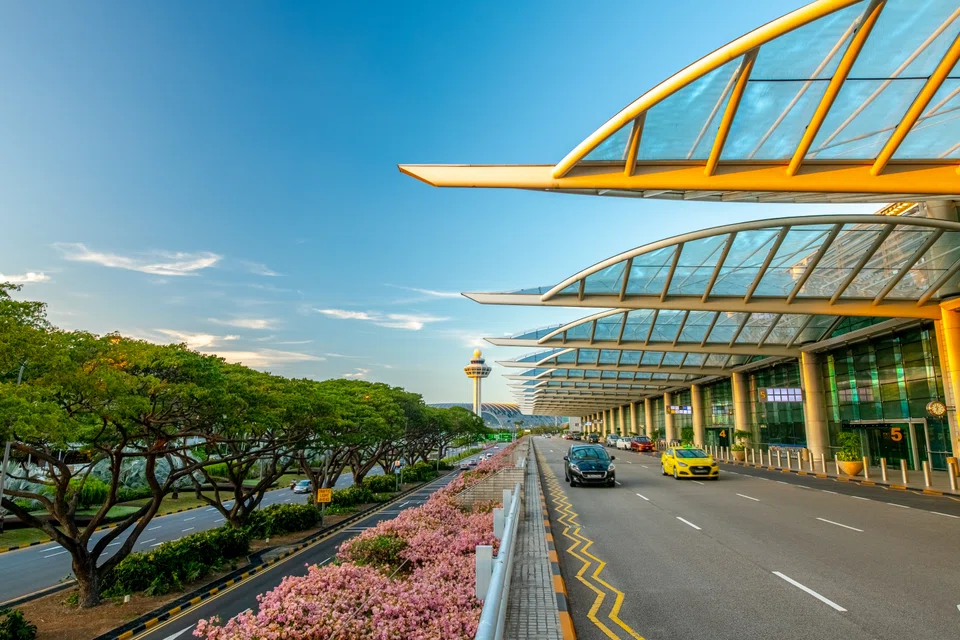
CHANGI Airport is the world’s fourth busiest airport for international passenger traffic and one of the world’s most lauded airports.
It has come a long way from a single terminal that opened in July 1981 to four terminals with a total capacity of 90 million. International traffic at Singapore’s aviation gateway has grown from eight million in 1981 to close to 70 million in 2025.
That success is no accident; rather, it has been guided by a far-sighted commitment to establishing Singapore as a premier international aviation node.
Yam Kum Weng, chief executive officer of Changi Airport Group, says: “While Changi Airport has transformed significantly over the past 45 years, our core purpose has remained unchanged. That is, to secure Singapore’s position as a leading international air hub and contribute to its economic growth, while delivering the best air travel experiences to our passengers.”
The Changi story
But did you know the airport as we know it now almost did not exist – and that Changi’s origins also show that it has always been looking toward the future?
In the 1970s, Singapore’s air traffic was increasing rapidly and the existing Paya Lebar Airport was reaching its capacity. Consultants advised then-prime minister Lee Kuan Yew that expanding it was the best option.
Speaking at Changi Airport’s 25th anniversary in 2006, Lee said: “Although this cost of relocating the airport to Changi was high, some S$1.5 billion, I believed that in the long term this would be the better option.”
Today, around 100 airlines operate at Changi, connecting Singapore to a wide network of over 170 cities around the world.
Not all passengers passing through Changi Airport are visiting or departing from Singapore. In fact, some 30 per cent of traffic at Changi are passengers connecting to another destination. The airport is also a major global cargo hub, handling more than two million tonnes of airfreight annually and ranking among the world’s top 10 busiest international air cargo hubs.
But aviation is a volatile industry, susceptible to shifting geopolitical and economic winds. Over the decades, Changi Airport has weathered fuel crises, economic downturns and major pandemics. Each time, it has stayed the course, rebounded, and taken flight to new highs.
Underpinning this resilience is a 60,000-strong community of workers from airline companies, ground service partners and government agencies, all working closely alongside the airport’s operator, Changi Airport Group (CAG).
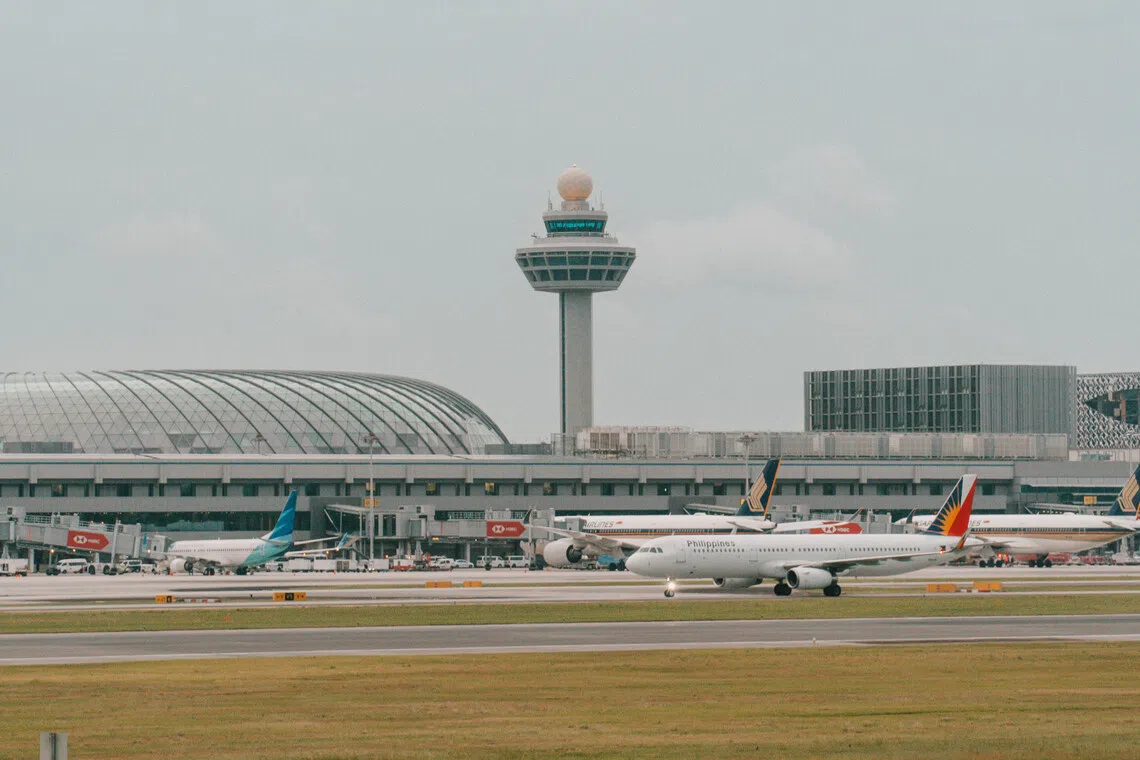
Ready for the next wave
While global uncertainties today could cause business and operational disruptions, global air travel demand remains promising, with the epicentre of growth in Asia-Pacific. As a key regional hub, Singapore sits at the heart of the three big economies of China, India and Indonesia, as well as South-east Asia. The growth opportunities are for Changi Airport to tap, even as emerging and existing air hubs will increase competition.
At the same time, airports face major challenges. This includes labour shortages, escalating costs, intensified security demands and the need for sustainable growth. As part of the aviation ecosystem, CAG is well-aware of the agility required to stay on top.
“A mindset that has served Changi well over the years is that we can never afford to stand still. Aviation is constantly evolving, so we have to be willing to continually challenge ourselves to rethink how we operate, what to invest and how we create value,” says Yam.
Now, creating the Changi of the future is about integrating advanced systems, cultivating workforce expertise, and enhancing ecosystem collaborations. While specific measures will change with the times, the airport’s core strategy will remain the same.
“The challenge today is meeting growing demand amid rising costs, manpower constraints and sustainability pressures. Throughout Changi’s history, we have consistently anticipated change and invested ahead of demand,” says Yam.
The most obvious example is Terminal 5, the multi-billion dollar project that will turn Changi into a mega airport, one capable of handling more than 100 million passengers a year, increasing efficiency and throughput while also adopting the latest advances.
Just like the story of Changi’s founding, the willingness to bet long term is what helps set Changi apart. Yet, balancing near-term operational demands with longer-term priorities is not always straightforward. It comes down to blending bold ambition with disciplined execution.
The future is now
T5 is scheduled to open in the mid-2030s, but in the interim Changi is not standing still. Many new technologies, like automation, artificial intelligence (AI) and digitalisation, that will go into T5 have been, or are being implemented today.
Travellers may not even notice these improvements, simply because they are making journeys much easier by design.
“The airport of the future should feel intuitive and frictionless, with technology working quietly in the background so travellers can focus on their journey, not the process of travelling,” says Yam.
One example is passport-free immigration clearance across all terminals, implemented together with the Immigration & Checkpoints Authority from 2024.
This could be taken further in the future. Changi’s vision is for travellers to move through the airport seamlessly from check-in to boarding, using a single biometric token that will eliminate scanning of documents.
Outside of the passenger experience, the airport is improving its efficiency and throughput on the airside as well.
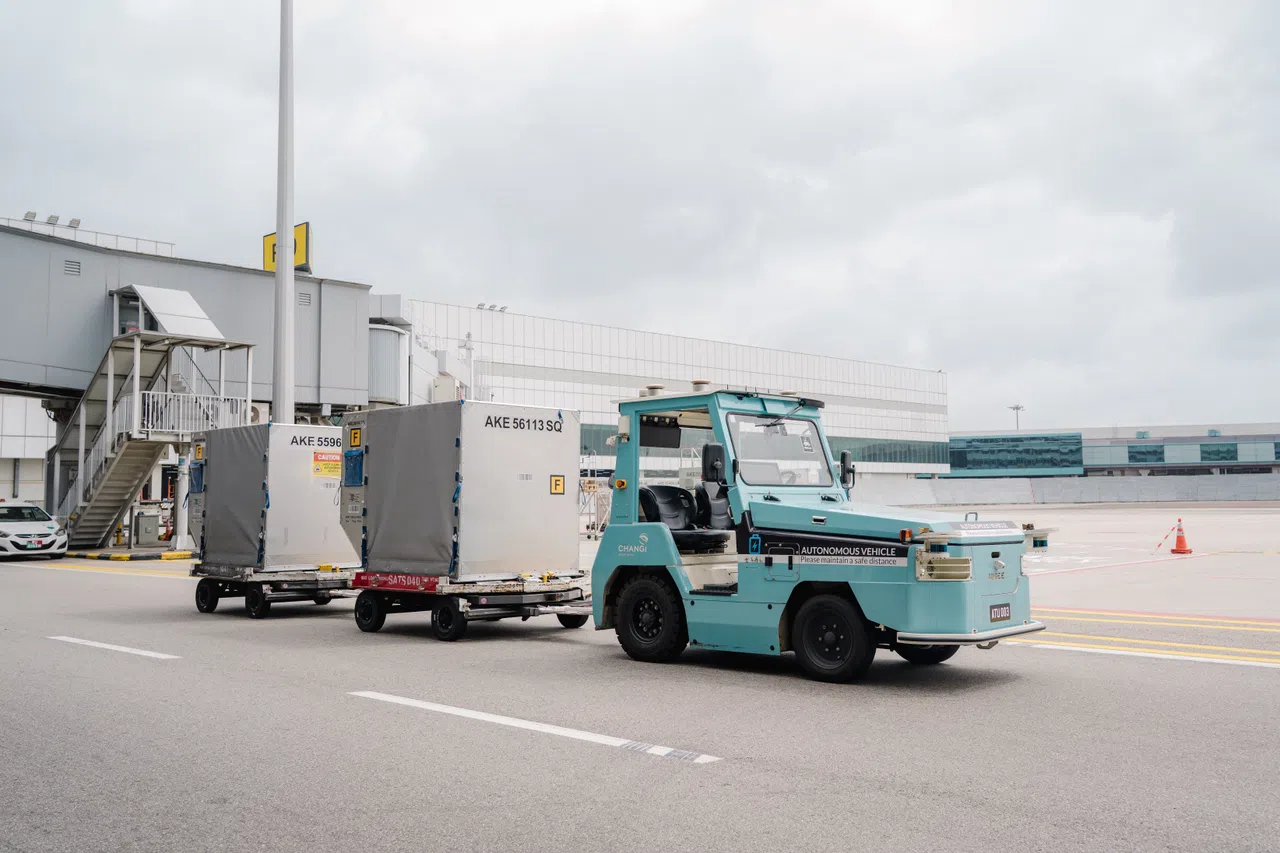
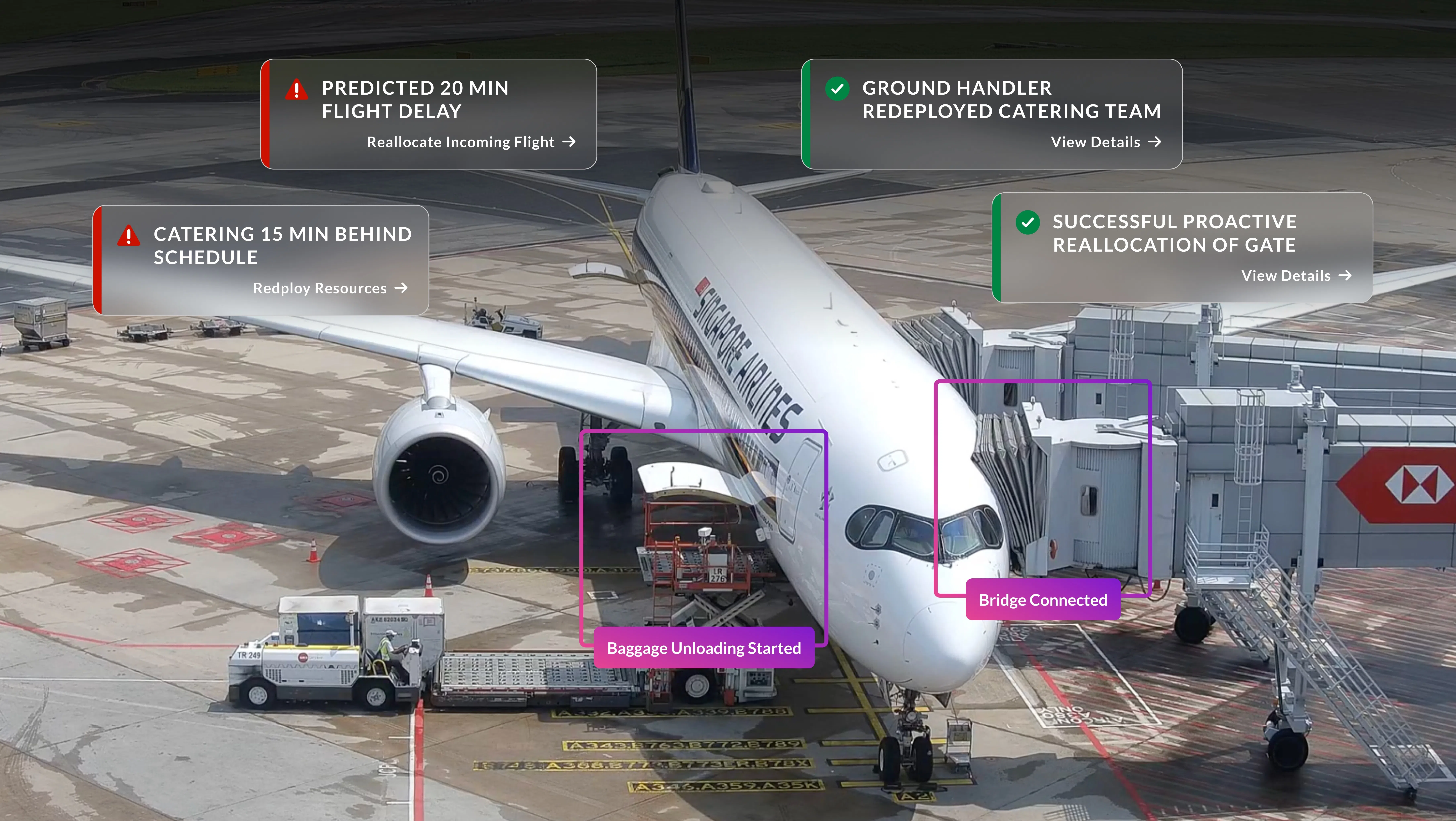
Aircraft turnaround has been improved by AI through the Aircraft 360 system, automated aerobridges, autonomous baggage tractors, and more.
Another example is the Truck Dock Slot Booking system. By allowing logistics partners to secure timing windows with cargo handlers, the system minimises congestion, improves truck turnaround times and increases productivity of truck deliveries.
This is all part of the airport’s fast-mover ethos, where a culture of innovation and early adoption helps build competitiveness over the long term.
“After all, in aviation, the greater risk is often not moving too early, but moving too late,” quips Yam.
That philosophy also extends to sustainability.
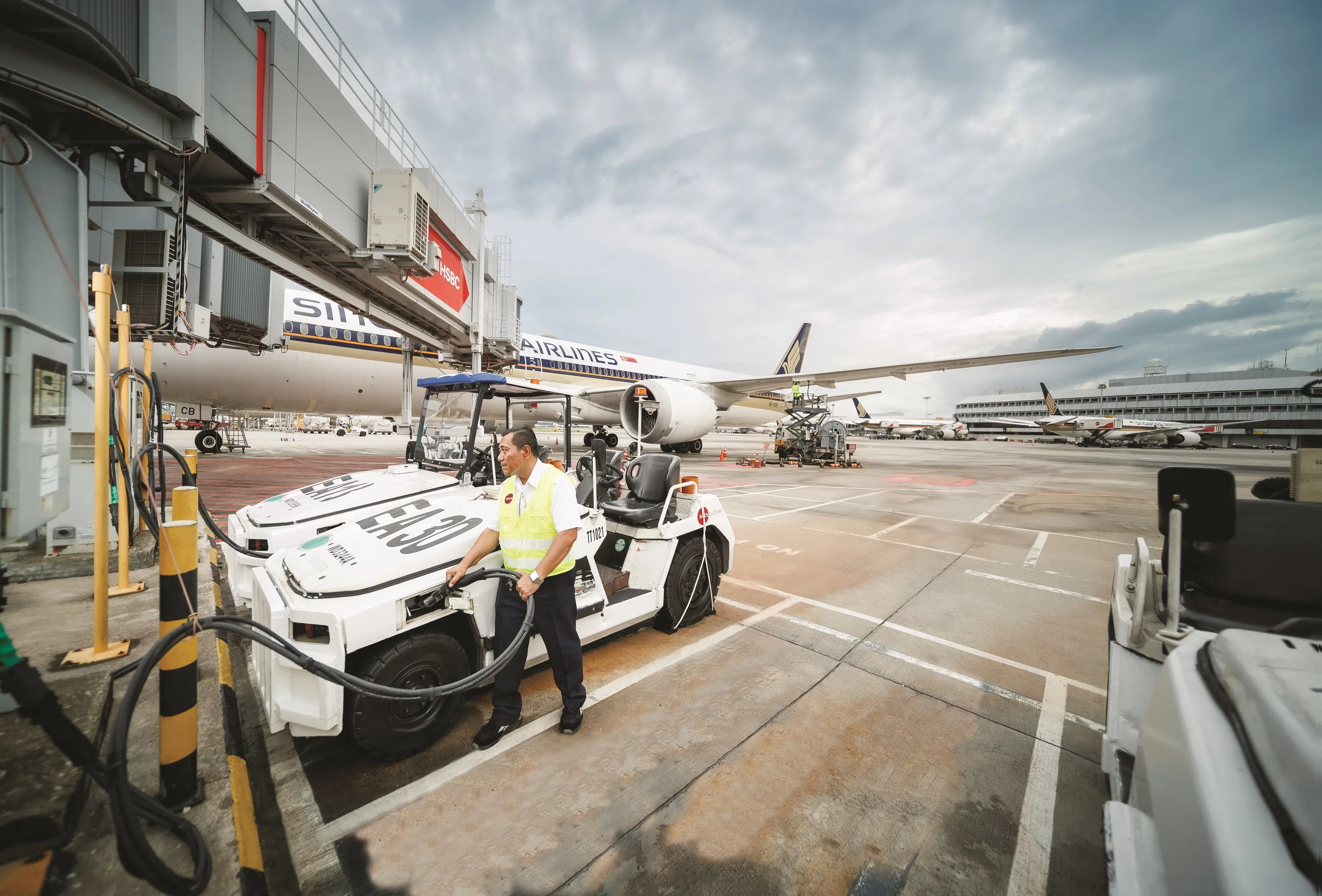
CAG has already taken concrete steps to lower the environmental impact of airport operations by focusing on renewable energy, energy and water efficiency, waste reduction, and circularity.
This includes one of Singapore’s largest solar panel systems across its airport terminals, with a 38 megawatt peak output, that reduces 20,000 tonnes of emissions annually. Among other measures are the increasing use of greener vehicles for airport operations, recycling food waste and water recovery systems.
The human touch
Despite constant progress and strong technological strides, CAG is not losing sight of what has made it all possible: People.
“Our investments also go beyond infrastructure – we are investing in the technology and capabilities that will enable us to operate differently, building the skills and capabilities of our people, and strengthening partnerships across the airport ecosystem,” says Yam.
CAG invests in digital, data and AI capability-building for its workforce. Employees are given opportunities to build knowledge and practical skills in emerging technologies, while experimentation and peer learning encourage them to explore new approaches.
Yam explains it is not simply about automating everything and removing human touchpoints, but using technology to handle routine or repetitive tasks, so people can focus on where human expertise, judgement and service can add the greatest value.
“Ultimately, success is not measured by how much technology we deploy, but by whether it makes travel feel more seamless and intuitive, while empowering our people to do more meaningful and higher-value work,” he says.
Changi is, at its heart, all about people. Just as it has been shaped to give travellers and visitors the best experiences, it is also aware of the outsized emotional importance Changi Airport has to Singaporeans.

Share with us your feedback on BT's products and services






