

Hong Leong Group’s projects are built to last
Future-ready strategy to drive long-term asset value
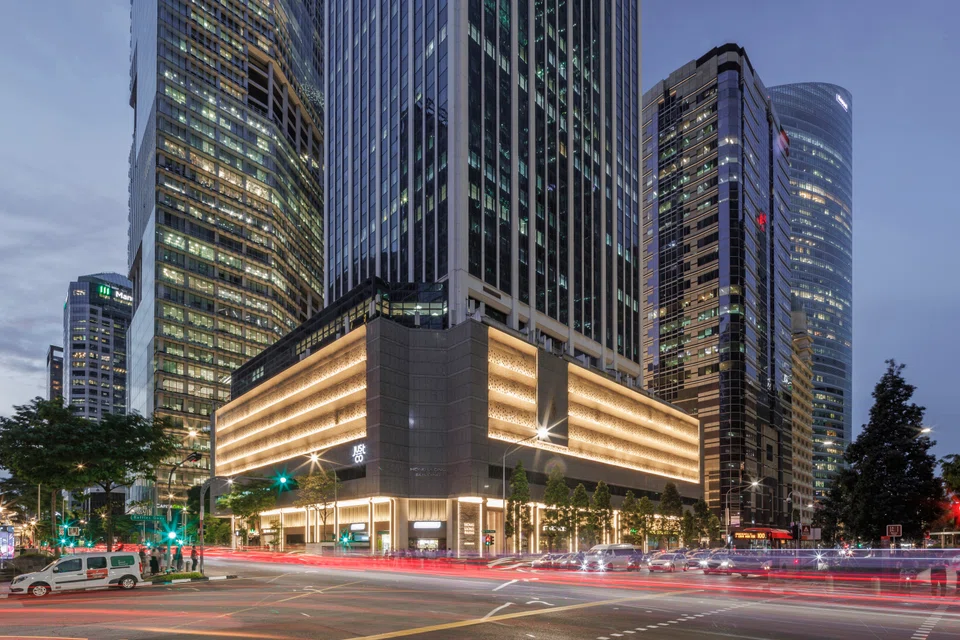
HOME-GROWN Hong Leong Group is investing for the long run – and sustainability is a key value that is set to carry the group into the future.
“Hong Leong Group differentiates itself through its long-term stewardship mindset and balanced approach towards growth and sustainability,” Kwek Leng Beng, executive chairman of Hong Leong Group, tells The Business Times.
Besides sustainability and digitalisation, the group’s strategic approach features prudent risk management “supported by long-term planning and operational resilience”, he adds.
Ongoing management decisions and operational practices show that the culture of sustainability at Hong Leong Group yields both environmental and economic outcomes.
Vision and value
Established as a building supplies trader in 1941, Hong Leong Group is now a conglomerate with a diverse business portfolio that spans real estate, hospitality, finance and industrials.
At private developers Hong Leong Holdings Limited (HLHL), Hong Realty and TID, the goal of creating future-ready developments involves what Kwek calls “long-term asset stewardship”.
For instance, properties can be refreshed through “adaptive reuse and refurbishment”, rather than being demolished and rebuilt, he notes. In the process, the buildings’ environmental performance, tenant experience and long-term asset value all get a boost.
HLHL’s flagship Hong Leong Building in Raffles Quay is a testament to the success of this philosophy. The 45-storey office tower recently underwent retrofitting to improve energy and water efficiency, in an asset enhancement initiative that was designed to minimise waste.
That’s as the company retained the building’s structural framework and granite façade – reducing environmental impact, and lowering renovation costs by as much as 30 per cent.
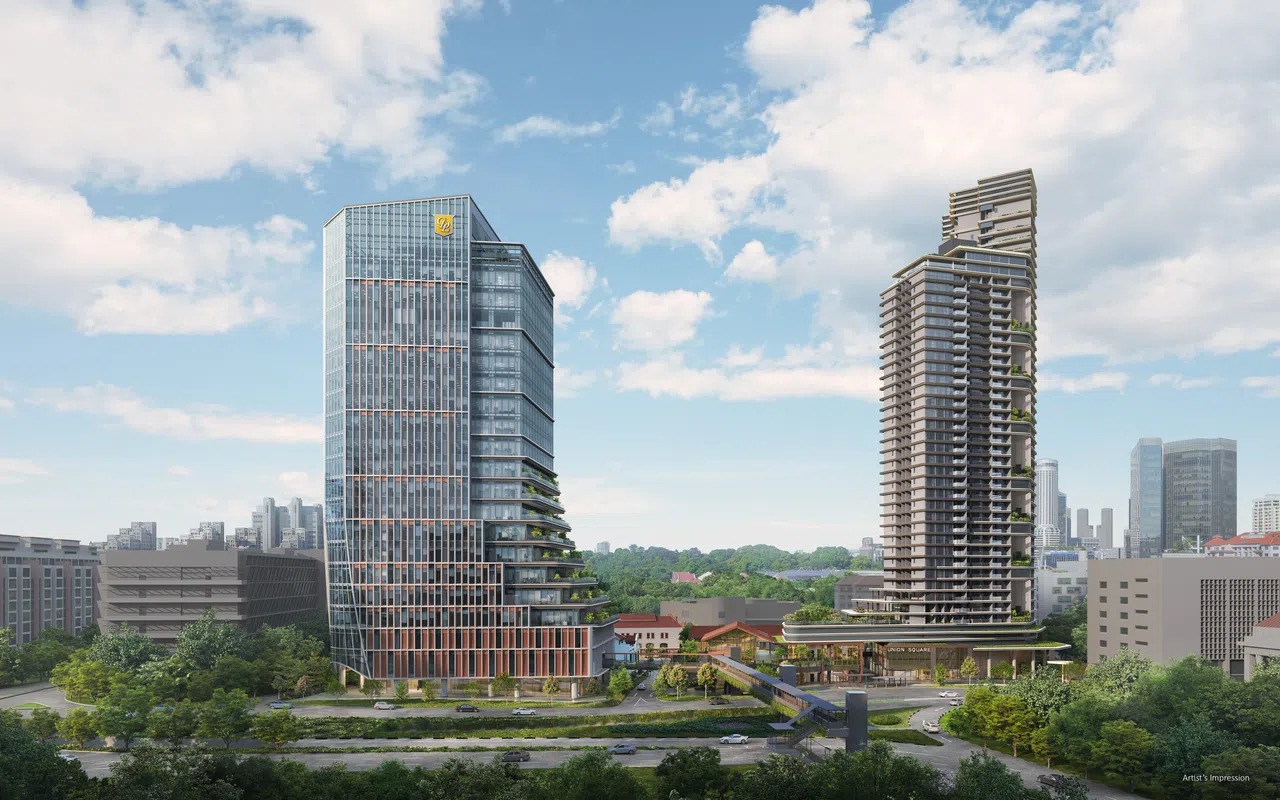
Singapore-listed City Developments Limited (CDL), which has been part of the Hong Leong Group since 1972, is also benefitting from its capital allocation strategy. On top of building its residential launch pipeline and upgrading assets in its core Singapore market, CDL is “redeveloping legacy assets into higher-value developments”, as Kwek puts it. Examples include two ongoing mixed-use redevelopment projects – Newport Plaza at the former Fuji Xerox Towers site on Anson Road, and Union Square on Havelock Road.
It has also accelerated capital recycling to unlock value from its diversified asset portfolio. Last year, CDL divested its 50.1 per cent stake in South Beach to its joint venture partner in a transaction that valued the mixed-use development at S$2.75 billion.
“We developed it, enhanced its value and unlocked value at an opportune time. This same discipline will define how we manage our portfolio going forward,” says Kwek.
Describing capital recycling as “business as usual”, he adds: “Where value has been substantially crystallised or if capital can be better deployed elsewhere, we will act decisively.”
The managers of Mainboard-listed stapled group CDL Hospitality Trusts (CDLHT) similarly view sustainability as both a risk management priority and a value creation opportunity.
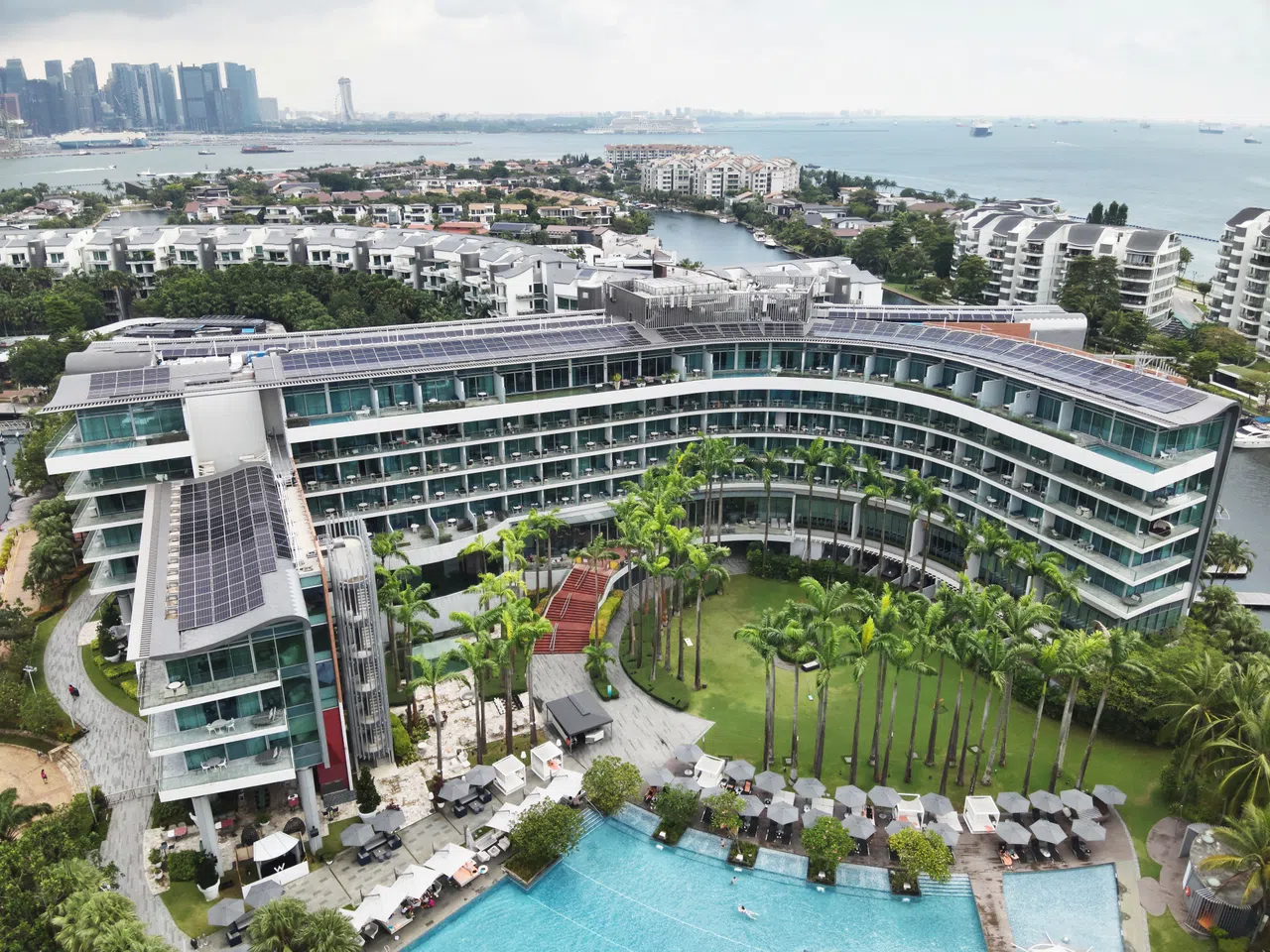
CDLHT has set a long-term goal to achieve net zero emissions by 2050 and is accelerating its transition to renewable energy, with about 1.5 gigawatt hours generated in FY2025. Notably, newly installed solar panels are expected to supply about 5.6 per cent of the luxury W Singapore – Sentosa Cove’s annual electricity needs.
“CDLHT is also committed to integrating its environmental goals with its financial strategies,” Kwek adds, pointing to sustainability-linked facilities of S$1 billion as at Mar 31, 2026.
In fact, the focus on sustainability doesn’t just make operational sense, but also allows companies across the Hong Leong Group to address market demand for greener practices.
Hong Leong Finance (HLF), which serves individuals and small- and medium-sized enterprises, has established an SME Green Finance Framework, and offers green financing for businesses. Electric vehicle loans also represent a core strength of its business. Such products are “supportive of Singapore’s transition towards a lower-carbon economy”, says Kwek.
And CDL’s Millennium Hotels and Resorts (MHR) hospitality flagship is continuing to focus on environment-related efforts such as waste reduction – especially as Kwek sees travellers now “more conscious of responsible tourism and environmentally responsible brands”.
Meanwhile, he notes that Hong Leong Asia (HLA) – which has interests in building materials and powertrain solutions regionally – is moving towards “higher-value, innovation-driven and sustainability-focused opportunities” like automation technologies, lower-carbon products and lower-emission engines.
In his view, Hong Leong Group’s approach can be summarised as “balancing commercial objectives with environmental responsibility, quality and long-term relevance”.
With sustainability at the heart of its operations, the group continues to strengthen its role as responsible developers in the transition to a lower-carbon global economy, he adds.
Prudence pays off
This holistic approach allows Hong Leong Group to weather ongoing business challenges, which Kwek describes as “sustained geopolitical and macroeconomic uncertainty”.
Market experiences from the Asian financial crisis to more recent volatility – such as US-China trade tensions and the Covid-19 pandemic – “have reinforced the importance of maintaining financial discipline, portfolio diversification and business agility”, he tells BT.
Developer CDL’s strategy is centred on active capital recycling and disciplined capital allocation, with a focus on expanding its Singapore development pipeline, redeveloping legacy assets, investing in recurring income assets and advancing its fund management ambitions, all “in pursuit of long-term value creation rather than short-term market movements”.
Meanwhile, CDLHT has adopted a “robust and disciplined” approach to capital and risk management. As interest rates began trending lower from end-2024, the managers took the opportunity to progressively increase the proportion of fixed-rate borrowings through interest rate swaps – reducing exposure to short-term rate volatility, locking in lower borrowing costs, and positioning CDLHT to achieve interest cost savings.
Additionally, CDLHT established a S$1.5 billion multi-currency debt issuance programme in late 2025, where S$250 million was raised through two tranches of perpetual securities, with the proceeds used to retire higher-cost debt. This capital raising exercise has strengthened CDLHT’s balance sheet and enhanced its financial flexibility ahead of the expected completion of its forward purchase of Moxy Singapore Clarke Quay in the first half of 2027. The acquisition is tipped to grow its room count by nearly 20 per cent in Singapore, which remains a core market for the long term.
Day-to-day operations across the group are also designed for robustness and resilience.
Since the pandemic, MHR has noted a significant change in traveller behaviour – such as shorter booking windows and growing demand for personalised experiences – and “these shifts have reinforced the importance of agility”, according to Kwek.
“Across our portfolio, we adapted our commercial strategies to respond to changing market conditions, whether through targeted offerings, enhanced loyalty engagement, or market-specific campaigns designed to capture evolving demand patterns.”
And, with global supply chains hit by uncertainty and disruption, HLA has moved to diversify its critical raw material sources and invested in value chain resilience – such as acquiring Singapore-based bomb shelter supplier Yong Tai Loong for S$90.7 million this year.
Hong Leong Group companies have also tapped technology and digitalisation to improve workforce capabilities, productivity, and operational efficiency. For example, HLA has ramped up the adoption of industrial automation and advanced manufacturing, while MHR uses data analytics to monitor trends and consumer behaviour and optimise performance.
Complementing the personalised service that differentiates HLF, the company has invested in digital transformation to deliver a seamless customer experience. Its HLF Digital app and award-winning vehicle loans application platform enhance convenience while improving operational efficiency.
CDL is already incorporating artificial intelligence (AI) to automate repetitive tasks, optimise energy use, assist in building maintenance and monitor sites for safety hazards, and is now exploring how generative AI can enhance efficiency, decision-making and sustainability.
“Our strategy is anchored in the belief that sustainability is not a parallel agenda, but a key driver of long-term value creation,” Kwek says. “This integrated mindset, coupled with disciplined execution and a willingness to innovate ahead of market shifts, positions CDL to remain competitive and relevant in an increasingly complex global landscape.”
Forging stronger bonds for a shared future
What makes Hong Leong Group stand out can be summed up in one word: future-readiness.
HLA, with its refreshed “Vision 2030” road map, aims to combine its traditional industrial strengths with “future-focused growth areas”, such as solutions for emerging energy sources and the circular economy.
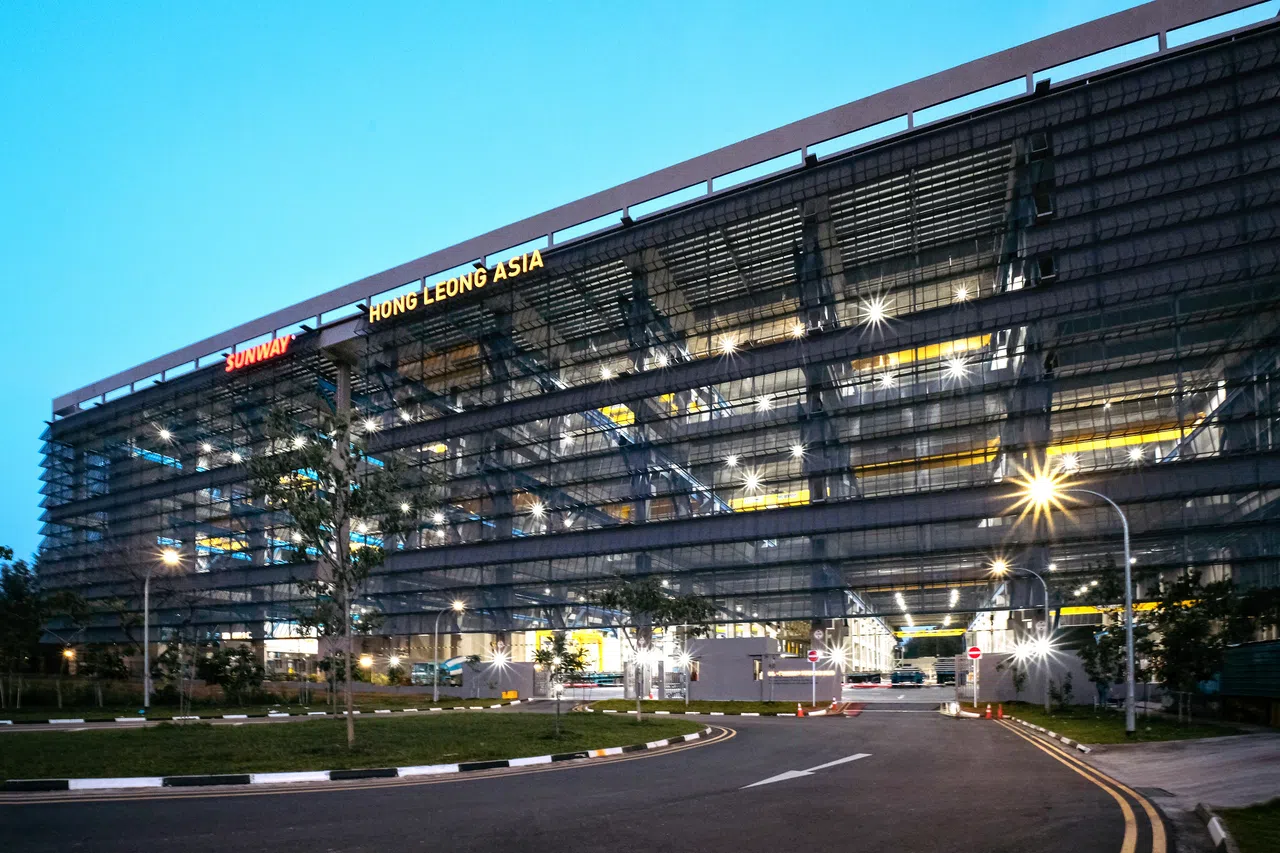
This forward-looking strategy is complemented by BeyondHLA, the company’s corporate responsibility programme, which drives initiatives that create lasting value for sustainable cities and communities. Employees are encouraged to drive circularity initiatives and adopt sustainable operational practices, such as waste reduction, resource efficiency, and climate-focused activities, extending HLA’s positive impact beyond its businesses and into the wider community.
Across Hong Leong Group’s other businesses, future-readiness is equally about strengthening communities and advancing sustainability. At CDL, initiatives such as the CDL MicroForest and CDL EcoTrain bring environmental stewardship to life by creating accessible green spaces and engaging children and families in sustainability education, which fosters greater awareness of biodiversity and climate action.
HLHL’s recently launched 863-unit Tengah Garden Residences has been developed with “evolving market needs and sustainability goals” in mind, notes Kwek: “Designed around green mobility and future-ready living, the project highlights the growing demand of eco-conscious communities through green infrastructure and sustainable design.”
Within weeks of its launch in April, Tengah Garden Residences was 99.3 per cent sold, reflecting strong buyer interest in such sustainable and future-ready developments.
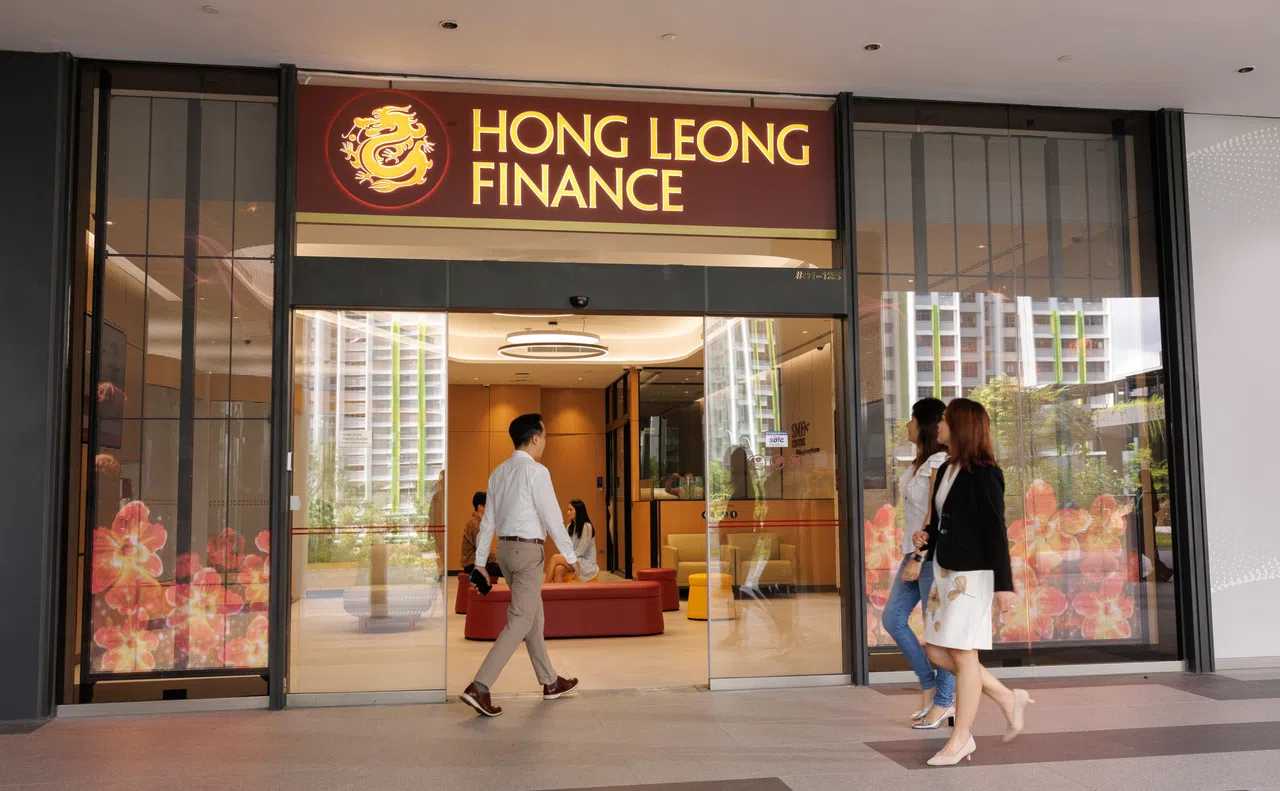
Future-readiness also shapes how HLF continues to evolve to meet customers’ changing needs. Celebrating its 65th anniversary and ninth consecutive recognition as a “Top 100 Most Valuable Singaporean Brand” by Brand Finance in 2026, HLF is expanding integrated financing solutions that combine asset acquisition and working capital funding. These products give businesses greater flexibility, particularly as interest rates moderate. By bundling hire purchase and working capital loan facilities, businesses can finance equipment and vehicles while preserving cash flow for operations and growth.
To enhance customer value and engagement, HLF launched the “KopiLah” programme offering rewards at participating outlets across Singapore, and introduced innovative touchpoints such as augmented reality features and a dynamic digital wall at its new Punggol Coast Mall branch.
Even as digitalisation strengthens engagement with younger clients, Kwek explains that it is important to maintain “close and trusted relationships with senior customers”.
He says: “While digitalisation is an industry-wide priority, our strength lies in balancing technology adoption with personalised customer service and deep market understanding.”
The same balance between innovation and personal connection also guides MHR. While the hospitality group taps data-driven insights and digital capabilities to respond to changing demand and maintain operational consistency, “we remain focused on strengthening direct guest relationships and delivering experiences that are relevant to today’s travellers”.
Says Kwek: “At Hong Leong Group, we believe that success is measured not by what we achieve today, but what we leave behind for future generations. That conviction continues to guide how we invest, innovate and grow for the long term.”

Share with us your feedback on BT's products and services
TRENDING NOW

Once staunchly pro-China, Malaysian Chinese businesses are now distancing themselves from Beijing

Looking beyond looming CEO succession, should UOB potentially pursue a transformative merger?

Could stablecoins be the future of money?

Grab CEO’s wife Chloe Tong on life with Anthony Tan and finding her purpose

