

Igniting the next wave of global Singapore
How HSBC connects Singapore corporates and entrepreneurs to international opportunities amid rising global complexity
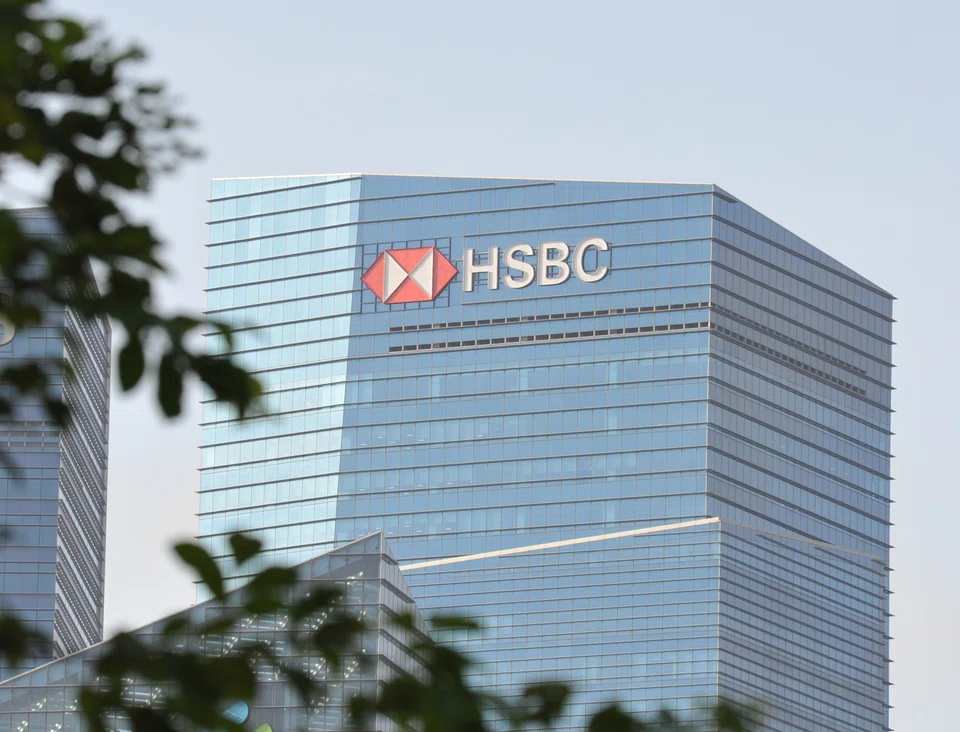
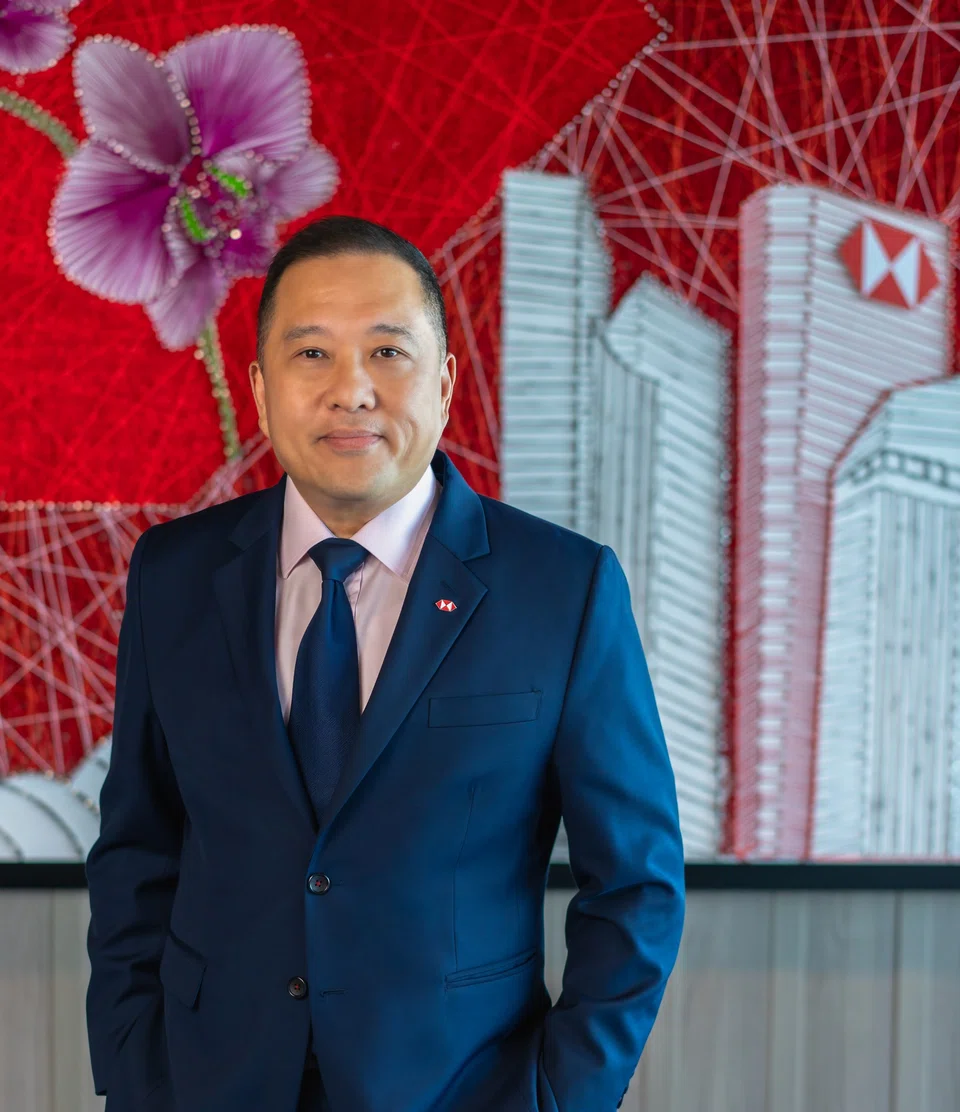
HSBC Singapore has a winning ambition and approach, even as it turns 150 years next year.
It seeks to be the No 1 international platform for corporate and institutional clients, the top international wealth platform, and a global hub for innovation, technology, and transition.
“Our ambition is to be the most trusted bank globally, putting customers at the heart of everything we do,” says HSBC Singapore CEO Wong Kee Joo. “HSBC is a bank for global entrepreneurs.”
Two-thirds of HSBC’s private banking customers are entrepreneurs, a reflection of its DNA since the early days.
Wong notes: “The first wave of entrepreneurs made money from real estate, then the next made money from manufacturing. Many of the new entrepreneurs are in health tech, clean tech, technology-related industries. For us at HSBC, we want to provide a holistic solution that takes care of their business, their personal wealth.”
HSBC is committed to Singapore as an international wealth and wholesale banking hub, and is a priority market and the fifth-largest geographic contributor to group profit before tax. It is also HSBC’s primary wholesale offshore booking centre and wealth hub in Asean.
The bank continues to invest in its capability, distribution and client experience, including doubling technology spend over five years and increasing investment five-fold in the physical etwork, with four new wealth centres opened since 2024.
This approach is paying healthy dividends, with the bank reaching its profit target of US$1 billion two years ahead of schedule in 2023. This figure is now US$1.5 billion and growing, with 2025 being its most profitable year.
Looking outwards: From the early days to the present

Helping local businesses expand overseas is a constant theme in HSBC’s story here. This began in 1877 by financing merchants and trade from the shores of the Singapore River, and evolved to enabling today’s local and multinational corporates, digital economy businesses and next-gen treasury hubs.
Gilbert Ng, HSBC Singapore’s head of banking, corporate and institutional banking (CIB), says: “Our global network of 56 countries and territories provides seamless connectivity and a scalable platform to support large corporates in their regional or global expansion.”
Today, HSBC is recognised as the top international bank in Singapore and the world’s No 1 trade bank, powering trade flows across Asean, China, India, the Middle East and beyond.
It was recently crowned Singapore’s best international bank and the best bank for large corporates by Euromoney, and clinched several notable accolades for its wealth business at The Digital Banker CX Awards, including one for the outstanding use of digital channels to improve customer experience.
Enabling international ambitions: Singapore as a launchpad into Asia
A key part of HSBC’s success is linked to Singapore’s location and role in the regional and global economy.
“Singapore is a launchpad into Asia, and HSBC is a key connector,” says Wong. “Singapore’s strategic location and connectivity place the country at the centre as the international hub for firms,” he adds.
HSBC Singapore’s three strategic areas closely align with Singapore’s Economic Strategy Review: strengthening Singapore’s role as a connected and trusted hub, enabling more Singapore-based companies to scale and succeed globally and achieving global leadership in areas of strength.
The bank supports Singapore’s future economy by backing internationally ambitious mid-market and new economy firms. It serves a wide client base here, from start-ups and small caps to Fortune 500 multinationals and Temasek-linked global companies, both operating in and headquartered in Singapore.
Ng says: “Our unified CIB model combines transaction banking, capital markets & advisory, and banking for faster, seamless client service.”
With its full breadth of services, HSBC is well suited to support Singapore’s strengths as a global trading and innovation hub, finance the international expansion of local enterprises, and evolve alongside the nation’s transformation into a global financial centre with a full suite of treasury capabilities.
Helping clients modernise with future-ready finance solutions
HSBC is ramping up its digital and AI capabilities to prepare its clients for the future of finance.
In July, it announced plans to launch a Global AI Centre of Excellence (CoE) in Singapore in 2026 and hire more than 100 AI specialists to build capabilities that can be scaled across its global network. The CoE will initially focus on enhancing customer wealth journey conversations, introducing agentic treasury solutions and developing AI-enabled digital payments.
Wong says: “We are putting a lot of investment in new technology – technology that drives and meets customer’s expectations. We bring international expertise combined with deep local knowledge and a global banking platform to support customers across their complex multi-market needs.”
Ng notes that companies today face rising pressures, such as AI-driven productivity, customer expectations, supply chain diversification, cross-border complexity, treasury automation and working capital optimisation.
However, there are also emerging trends which firms can benefit from.
“Digital commerce, richer data, AI, and new infrastructure are reshaping domestic and cross-border payments alike, and this creates new opportunities for treasurers,” Ng adds.
Through its TradePay and TradeCash solutions, HSBC is helping Singapore corporates to capture these external growth opportunities by digitalising trade finance, helping businesses to unlock their working capital and save time on manual effort so they can focus on growing their businesses.
Looking ahead, HSBC is also shaping what’s next. Through its pilot in agentic commerce with Mastercard, the bank is exploring new capabilities that support the future of B2B commerce by connecting multinational buyers, procurement platforms and suppliers, with HSBC’s payments and liquidity capabilities.
Financing the global innovation champions of tomorrow
Singapore is home to more than 4,000 start-ups and is supported by a vibrant network of investors, accelerators, and incubators.
HSBC established its innovation banking offering in Singapore in October 2025, allocating US$1.5 billion as a dedicated pool to provide high-growth innovation companies unique financing solutions to scale their business.
Ng says: “We have a market-leading proposition in Singapore that offers the full suite of banking and funding solutions for new economy businesses. The launch demonstrates our continued commitment to supporting the growth of Singapore’s innovation economy.”
With 900 HSBC professionals on this platform, innovation banking offers Singapore-based venture-backed businesses and the investors that support them access to enhanced sector expertise, specialised products, tailored financial solutions, and new opportunities through HSBC’s global network.
For instance, the bank can offer advice to start-ups on running a business, such as the right mix of equity versus debt, and HSBC connects private equity firms to new opportunities with other start-ups, family offices and investors.
Linked to innovation banking is how HSBC’s one-franchise model is built to support an entrepreneur’s full journey, from start up to growth to an initial public offering, then liquidity, investing and succession planning. For instance, HSBC sees its services as a continuum in the wealth space, where the private bank can continue to help the entrepreneur after an IPO.
Wong says: “As the bank for global entrepreneurs, we bring the whole universal banking model together to service clients, not just their private banking requirements but also their operating business needs and legacy requirements.”
Client success stories: Seatrium and Rotary
Over the decades, HSBC has helped many Singapore companies of varying sizes and sectors to spread their wings abroad.
Among these are Seatrium, a leading global offshore, marine and energy solutions provider, and Rotary Engineering, an energy infrastructure specialist providing integrated engineering, procurement and construction solutions to clients across the energy sector.
Seatrium’s chief financial officer Dr Stephen Lu said: “HSBC has been our longstanding financial partner for over 20 years, providing banking support for our landmark projects with bank guarantees for these multi-billion-dollar energy assets and helping us manage our contract forex exposures.”
These projects include construction of a specialised vessel that is the world’s largest of its kind, advanced floating production storage and offloading units, as well as global offshore wind transmission assets and support vessels.
The bank also assisted Seatrium with its capital structure review for further growth, and was one of the joint bookrunners for Seatrium’s inaugural S$400 million five-year medium term notes, priced at 2.95% in April this year. The issuance received strong institutional demand, signalling market confidence in Seatrium’s credit profile.
In Rotary’s case, it has partnered HSBC for more than 35 years, says the engineering firm’s deputy executive chairman Grace Chia. “Our banking relationship is set to grow as we explore possible global cash and treasury management solutions together. HSBC has reallocated capital towards high-growth corridors, including Asia–Middle East, strengthening our market leadership.”
HSBC’s Ng says: “We value our Singapore client relationships deeply and invest in them for mutual long-term success. We constantly look for best practices from our regional and global expertise to serve them better.”
The next chapter and beyond
HSBC has a strong legacy and track record of helping Singapore businesses build globally competitive futures, and this will remain firmly embedded in its DNA. The international bank with deep historical roots will continue to serve clients’ ever-changing needs, evolve and grow with them.
“Our key strength is understanding that global connectivity is not just about moving capital but is also about building bridges between ambition and opportunity,” says Wong.
The global connectivity extends to developing its staff based here as well. HSBC actively supports Singaporeans in growing international careers through the bank’s international network, grooming talent who will return to strengthen the country’s financial ecosystem.
Wong says: “The next wave of Singapore’s growth will be defined by innovation, internationalisation and resilience – and HSBC remains committed to enabling that internationalisation journey for generations to come.”

Share with us your feedback on BT's products and services
TRENDING NOW

Once staunchly pro-China, Malaysian Chinese businesses are now distancing themselves from Beijing

Looking beyond looming CEO succession, should UOB potentially pursue a transformative merger?

Could stablecoins be the future of money?

Grab CEO’s wife Chloe Tong on life with Anthony Tan and finding her purpose

