Mapletree builds its next growth engine
From a new landmark at HarbourFront to logistics parks across three continents, Mapletree is putting development at the centre of its next phase of expansion
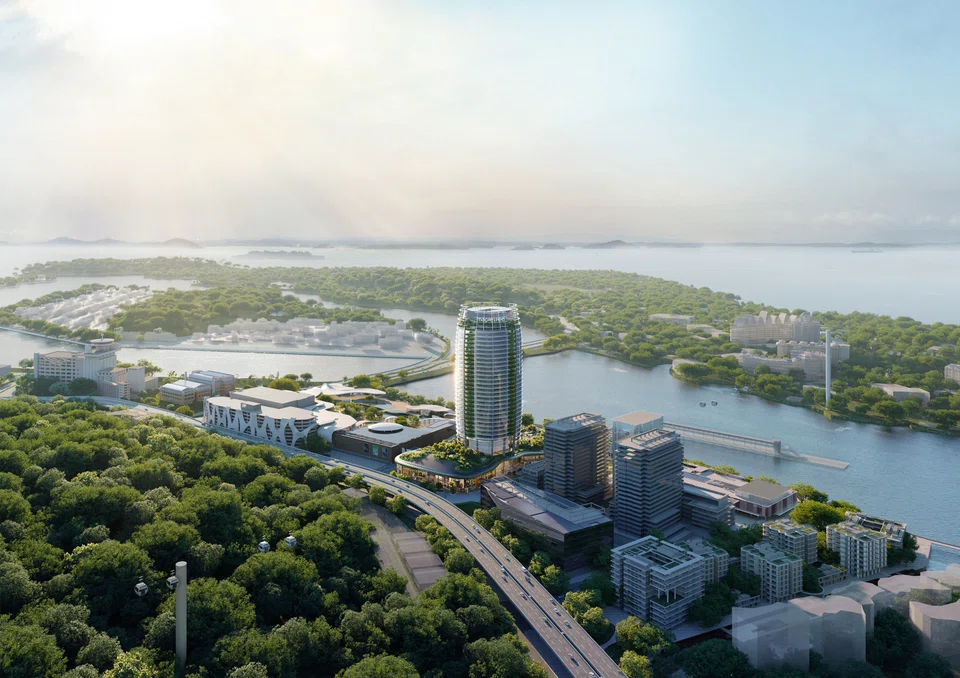
OVER the past two-and-a-half decades, global real estate group Mapletree Investments Pte Ltd (“Mapletree”) has transformed the 24-hectare HarbourFront Precinct from a once-overlooked district into an integrated waterfront destination spanning retail, offices, residential and heritage. Its landmarks include VivoCity, the HarbourFront Towers, restored national monument St James Power Station and HarbourFront Centre, as well as other notable developments within the precinct.
That rejuvenation continues to this day. Mapletree is redeveloping HarbourFront Centre into a 33-storey commercial development comprising 123,000 sq m of office and retail space, expected to be completed in the first half of 2031. Alongside it, a new distributed district cooling system will connect five Mapletree buildings across HarbourFront Precinct, improving energy efficiency while reducing operating costs and carbon emissions.
For Mapletree, the project brings together the full breadth of its real estate capabilities. This encompasses identifying the potential of a site, developing and operating the asset, and managing capital across its balance sheet, private funds and listed real estate investment trusts.
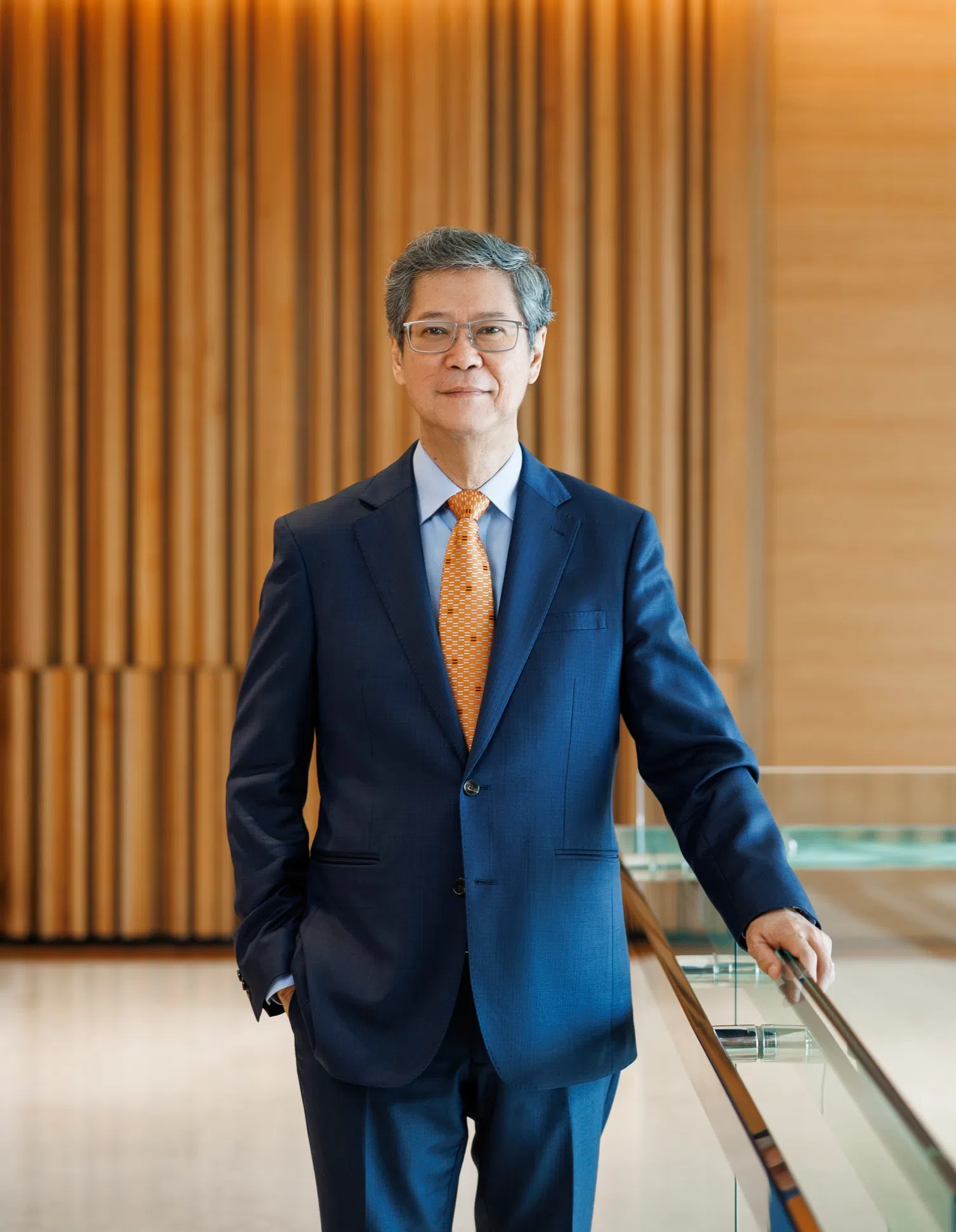
“Leveraging 25 years of proven development expertise, we are committed to the ongoing rejuvenation of HarbourFront Precinct – an important milestone for Mapletree that reflects our dedication to creating developments that are well-positioned for the future,” says Hiew Yoon Khong, group chief executive officer of Mapletree.
That expertise is now being applied on a much wider scale. From its beginnings as a Singapore-focused company, Mapletree has grown into a global real estate platform with more than 880 assets and S$76.2 billion in assets under management across 13 markets, as at March 31, 2026. Mapletree says development, particularly of logistics facilities, will play a bigger role in its next phase of growth alongside acquisitions of completed assets.
Developing rather than acquiring
Development has always been part of Mapletree’s business. What has changed is the opportunity Mapletree sees in today’s higher cost-of-capital environment. The group believes developing an asset can offer a more attractive risk-return proposition than buying a stabilised property at prevailing prices.
Its ability to manage a project from feasibility and design to construction and delivery allows it to pursue that opportunity while controlling more of the process.
“In today’s market environment, we see attractive opportunities to create value through development. Beyond generating attractive returns, development strengthens our pipeline of high-quality assets for future monetisation, capital recycling and integration into our funds and Reit platforms, supporting the long-term growth of the wider business,” says Hiew.
The scale of activity is already substantial. Mapletree completed 13 development projects in the financial year ended March 2026 and awarded contracts for 15 more. At the end of FY25/26, it had S$5.4 billion of projects under development across its four core sectors: logistics, office, student housing and data centre.
Development also gives Mapletree a pipeline of modern assets that can be retained, sold or placed into its private funds and Reits. Mapletree regards that capability as a point of difference from capital managers that depend mainly on buying existing properties. The group does not prescribe a fixed size for the pipeline, viewing development as a continual strategy rather than a target in itself. Instead, Mapletree says successful execution would mean disciplined expansion in markets where it sees durable demand, alongside growth in third-party capital and recurring fee income.
While development may offer higher returns, it also brings construction, financing and leasing risks. Mapletree says it manages those risks by concentrating on sectors in which it has established operating platforms and markets where its local teams understand demand. Its approach to a new market typically begins with acquisitions, giving the group time to establish an on-the-ground team and learn local conditions before taking on development risk.
Logistics takes the lead
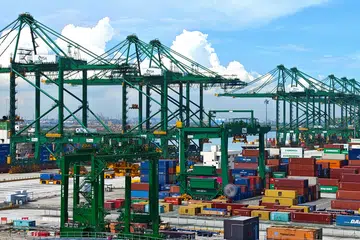
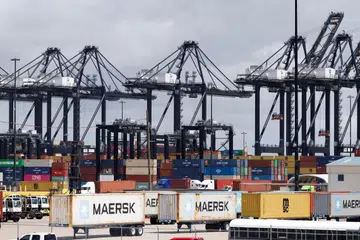
Logistics best demonstrates Mapletree’s development strategy. The sector is the group’s largest asset class, accounting for 42.5 per cent, or S$32.4 billion, of AUM. The group manages 22.8 million sq m of logistics space across 12 markets, and 10 of the 13 projects completed in FY25/26 were logistics developments.
In emerging Asia, Mapletree is targeting economies where rising consumption, manufacturing growth and supply-chain diversification are driving demand for modern warehouses amid what Mapletree describes as a structural undersupply of institutional-grade space.
Mapletree Emerging Growth Asia Logistics Private Trust, or MEGA, has been established to enable institutional investors to participate alongside Mapletree in logistics development opportunities in Malaysia, Vietnam and India.
Mapletree has secured more than US$500 million in equity commitments for its emerging Asia logistics development strategy, comprising US$250 million at MEGA’s first close and over US$250 million through a joint venture and co-investments in selected Malaysian projects. MEGA is seeking another US$200 million at a second close by early 2027. Once fully deployed, the fund, joint venture and co-investments are expected to comprise assets with a total investment value of US$2.1 billion across Malaysia, Vietnam and India.
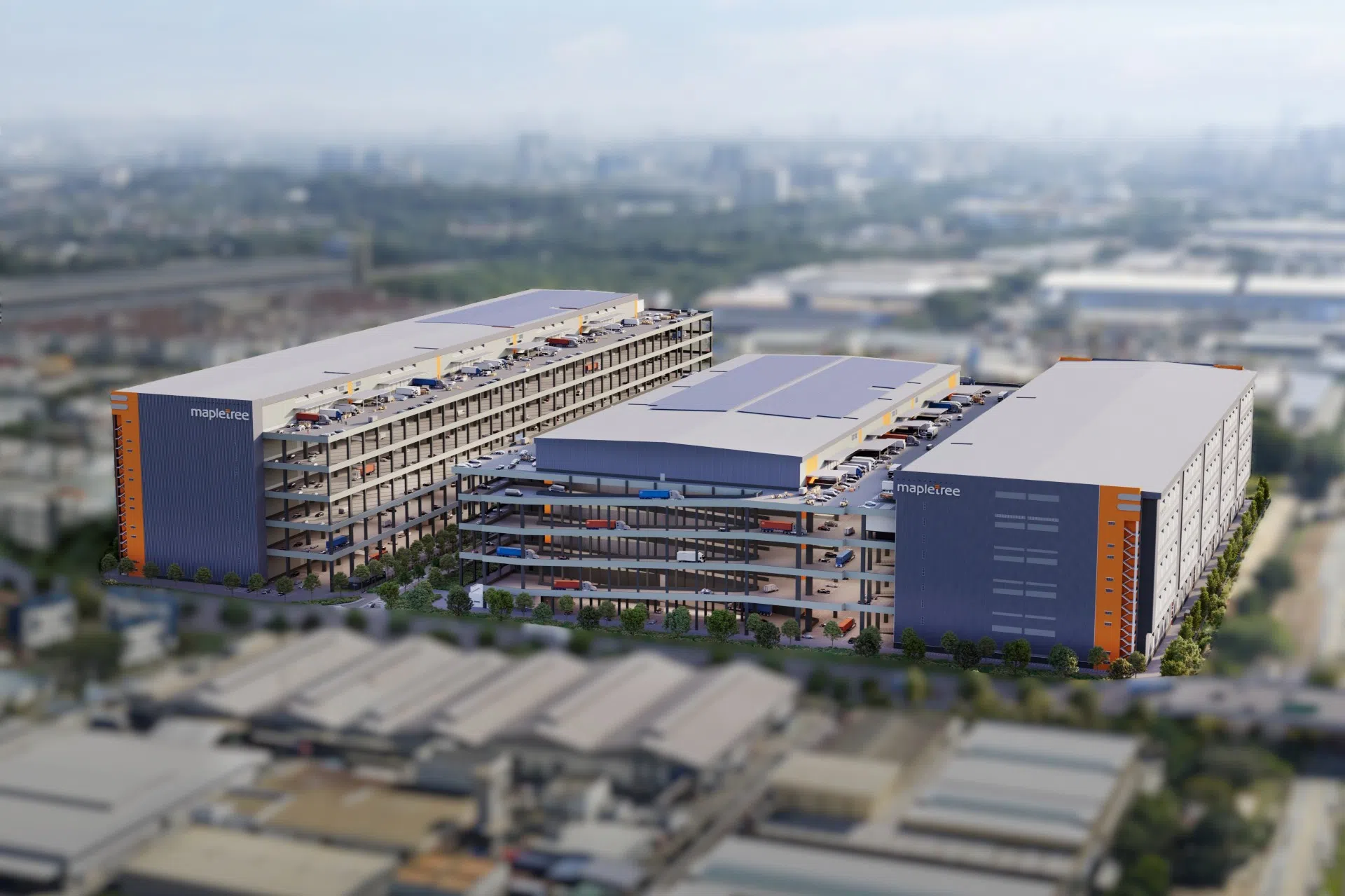
Projects are taking shape across the region. In Shah Alam, Malaysia, Mapletree plans a logistics hub with 321,000 sq m of net lettable area. It has acquired land in Chakan, Pune, for Grade A warehouses, while a logistics park completed in Vietnam’s Bac Ninh province in November 2025 provides more than 98,000 sq m of space. Meanwhile, six new logistics parks totalling about 600,000 sq m were delivered in China during the year.
Mapletree is also applying its logistics development expertise in the US and Europe. The group had about US$500 million of logistics projects under development in the US at the end of March 2026. In Poland, a 41,800 sq m build-to-suit facility is making good progress and expected to strengthen Mapletree’s logistics footprint upon completion in 2027.
Mapletree expects new supply in the US and Europe to be more measured in the near term as developers contend with higher capital costs. It sees that constraint as a chance to deliver well-located assets into markets where it believes demand remains supportive.
Recycling capital for the next project
Mapletree’s strategy also depends on its ability to recycle capital. A development project may be acquired at the outset by a private fund or Reit, or undertaken with a view to a future sale to one of these vehicles.
Once the project is completed and mature, Mapletree considers market conditions, investor demand, portfolio needs and where the asset can achieve the greatest value. It may then sell the asset to a sponsored platform or third-party investor and redeploy the proceeds into opportunities offering stronger risk-adjusted returns and long-term growth potential.
That may mean selling it to a sponsored platform or a third-party investor, then directing the proceeds into another opportunity with stronger growth potential.
“Capital recycling remains a key pillar of Mapletree’s business model. It allows us to unlock value from completed assets, redeploy capital into new opportunities and grow our fee-based business, creating a virtuous cycle that supports the continued expansion of our real estate and capital management platforms,” notes Hiew.
While logistics will lead Mapletree’s expansion, the group invests selectively in offices in Singapore, India and Vietnam, where it says demand remains strong. It is also developing student housing in Perth and evaluating opportunities in new markets like Asia and continental Europe. In data centres, it is targeting established markets where it sees demand supported by cloud computing and artificial-intelligence infrastructure.
Looking ahead, Mapletree believes that the HarbourFront Precinct best encapsulates the business that the group is building for the future. In particular, it reflects Mapletree’s strengths as an integrated real estate developer, investor, capital manager and property manager, while demonstrating its ability to unlock value through large-scale precinct rejuvenation.

Share with us your feedback on BT's products and services