

Powering Singapore’s growth through a more complex energy landscape
As electricity demand rises and energy markets remain volatile, EMA is strengthening Singapore’s power system while helping businesses navigate the energy transition
SINGAPORE’S electricity demand is expected to rise rapidly as the economy grows and sectors such as semiconductors and data centres expand. At the same time, Singapore faces constraints including having limited domestic energy resources. Exposure to global energy markets also means external developments can affect the nation’s energy supply and costs.
These factors make ensuring energy security and the transition towards a low-carbon energy future increasingly complex. Singapore must balance energy security, affordability and sustainability while ensuring that the energy system can support continued economic growth.
For businesses, Singapore’s transition towards a more diverse and lower-carbon energy system has implications not just for sustainability, but also for energy costs, operational resilience and competitiveness. It also presents opportunities to improve energy efficiency and operational resilience, adopt new technologies, and participate in programmes that support a more flexible and resilient power system.
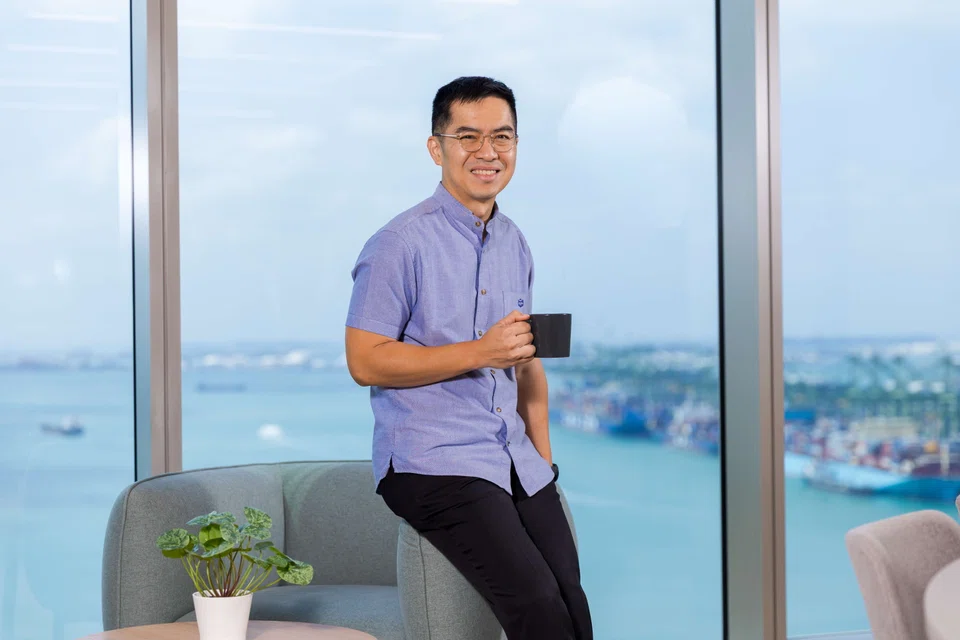
Puah Kok Keong, chief executive of the Energy Market Authority (EMA), shares his perspectives with BT on Singapore’s evolving energy landscape, the challenges and the opportunities ahead. These include the benefits businesses can gain in supporting a more reliable and sustainable energy system.
BT: Singapore’s electricity demand is expected to grow in the years ahead. How is Singapore’s energy landscape evolving, and what are EMA’s priorities in ensuring our energy future remains secure, affordable and sustainable?
Puah: Electricity powers almost every aspect of modern life. As Singapore’s economy grows, electricity demand will continue to grow. We expect the pace of growth to accelerate, driven by the expansion of sectors such as semiconductors and data centres, as well as the increasing electrification of sectors such as transport. EMA’s central projection is that our peak electricity demand will increase by 30 per cent over the next decade.
But it can be potentially much higher, if we continue to attract more investments into these new growth sectors. This means EMA needs to plan ahead, and invest in the energy infrastructure and capabilities needed to support future demand.
As a small country with limited domestic energy sources, ensuring we meet the growing demand while reducing emissions from our power sector is a complex journey. We are also exposed to developments in global energy markets, given our reliance on imported fuels.
These constraints make the diversification of our energy sources increasingly important. Domestically, we are pushing to maximise solar deployment.
However, this has its limits due to Singapore’s land constraints. We have done some calculations that at best, solar will only contribute around 10 per cent of our electricity supply. We are thus also pursuing the import of renewable electricity that is abundant in the region, and studying low-carbon alternatives such as advanced nuclear technologies and geothermal systems.
A challenge, however, is that many cleaner energy sources will take time to materialise. Reasons include the nascency of technologies or supply chains. Natural gas will therefore continue to play an important role in the medium term, as it provides reliable power while we scale up cleaner energy sources.
During this complex journey, EMA’s priority is to ensure that Singapore continues to have a reliable, secure and affordable energy supply. This is why we need to invest early, keep multiple options open, and build capabilities ahead of time.
BT: With more renewable but intermittent energy entering the system, why is grid resilience becoming increasingly important, and what role can businesses play in supporting it?
Puah: We expect Singapore’s energy mix to become more diverse in the years ahead. Apart from the sources mentioned earlier, these also include distributed energy resources such as batteries and electric vehicles. This means the power system will become increasingly dynamic and complex.
Unlike conventional power generation using natural gas, renewable energy such as solar is weather-dependent and varies throughout the day.
At the same time, electricity supply and demand must always be balanced, so that the power grid is stable. The challenge is therefore to integrate these new and more variable resources while maintaining the high level of reliability that Singapore’s economy and daily life depend on.
EMA’s Future Grid Capabilities Roadmap sets out how we are preparing the electricity grid for these changes. The Roadmap sets out how we can use digital technologies to improve grid planning and operations, and developing new capabilities to maintain the system’s stability to deal with sudden changes in energy injection and withdrawal from the grid.
This will allow Singapore to integrate more renewable energy while maintaining the high level of reliability that businesses depend on.
Businesses can be part of this more flexible energy system. By participating in demand-side flexibility programmes and investing in technologies that optimise energy use, businesses can help balance supply and demand while managing their own energy costs.
This creates a two-way benefit where businesses can strengthen operational resilience, and manage energy use more effectively, while the power system gains additional flexibility to maintain reliability as our energy mix evolves.
BT: Could you share more about the opportunities for businesses in the energy transition, and how is EMA helping them navigate these changes?
Puah: As Singapore moves towards more diverse energy sources and lower-carbon power systems, the operating environment for businesses will also evolve. For instance, new technologies can create more options for businesses to manage how they consume, generate and store electricity.
This presents win-win opportunities. Businesses can improve energy efficiency, strengthen operational resilience and better manage their energy costs. At the same time, businesses will contribute to strengthening the flexibility of our energy system in managing demand and supply.
We are already seeing businesses participate more actively. Through EMA’s Demand Response Programme, for example, businesses adjust their electricity consumption when wholesale electricity prices are high, allowing them to manage their energy costs while helping to reduce demand on the power system. Between 2020 and 2025, participants in the Demand Response Programme received average payouts of around S$2,000 to S$3,000 per megawatt-hour of electricity reduced.
EMA is also piloting new ways for businesses to make better use of energy assets they may already own. For instance, our Virtual Power Plant sandbox tests how distributed energy resources – such as solar panels and battery energy storage systems – can be aggregated to support the power system.
Beyond these programmes, EMA works closely with industry to develop market frameworks and regulatory pathways that allow new energy technologies and business models to be deployed safely and commercially.
These initiatives create new opportunities for businesses to test new technologies and business models, while helping us build a more flexible and resilient power system. They also illustrate that the energy transition is not something the government or industry can achieve alone. It will require close partnership across the entire ecosystem.
BT: Geopolitical tensions, including the conflict in the Middle East and the effective closure of the Strait of Hormuz in recent months, have heightened volatility in global energy markets. What lessons can Singapore take from these developments, and how is EMA strengthening our energy resilience against external shocks?
Puah: Recent geopolitical developments reinforce an important lesson: energy security cannot be taken for granted. The lesson is not simply to respond after disruptions occur, but to build resilience ahead of time.
Singapore imports almost all of our energy for power generation. Today, about 95 per cent of our electricity is generated using imported natural gas. This means global supply disruptions and fuel price volatility can affect us.
That is why EMA has been strengthening Singapore’s energy resilience on multiple fronts, including pursuing a diversified portfolio of energy sources.
Natural gas will remain an important source of energy for Singapore during the energy transition. To enhance our energy security, we have centralised the procurement of natural gas through Singapore GasCo. This allows us to take a more coordinated approach to securing supplies, including diversifying our gas sources and contracting arrangements. We are also developing a second liquefied natural gas (LNG) terminal to expand Singapore’s capacity to receive LNG and strengthen supply resilience.
These are part of efforts to strengthen our energy security for the longer term. They will also give businesses and households greater confidence that Singapore will continue to have a reliable and resilient energy system despite an uncertain global environment.
BT: What advice would you give business leaders looking to remain competitive while contributing to Singapore’s energy transition? What gives you confidence that Singapore can continue to deliver a secure, affordable and sustainable energy system that supports economic growth?
Puah: The energy transition is not merely something businesses need to respond to. It is an opportunity to strengthen their competitiveness and resilience.
Businesses should take a strategic look at their energy use: identifying where greater efficiency can be achieved, where operations can become more flexible, and which energy solutions or technologies can make sense for their business. For some companies, an energy audit could help identify these opportunities.
Companies that improve energy efficiency, build greater operational flexibility and adopt relevant technologies early, will be better positioned to manage changes in energy costs, while taking advantage of new opportunities as technologies mature.
Singapore has always taken a pragmatic and forward-looking approach to energy planning. The energy transition will unfold over decades, and we cannot predict exactly how technologies or the global energy landscape will evolve. That is why we invest early, keep multiple options open and build capabilities ahead of need.
By diversifying our energy sources, strengthening the resilience of our power system and building capabilities in emerging technologies, we can adapt as new solutions mature, while continuing to balance energy security, affordability and sustainability. Continued partnership across government, industry, businesses and the community will be essential to improving energy efficiency, accelerating innovation and building a more resilient energy system.
These programmes reward businesses that can adjust electricity consumption or provide flexibility to the power system
Helping businesses lower energy costs; strengthening Singapore’s power grid
As Singapore integrates more renewable and weather-dependent energy sources, balancing electricity demand and supply will become increasingly important. EMA has implemented initiatives that encourage consumers to optimise their energy demand.
These allow businesses to adjust when and how they use electricity, helping to: ■ Lower electricity costs ■ Improve operational resilience ■ Reduce peak demand on the electricity grid ■ Support a more secure, reliable and sustainable energy system
Demand Response Programme
Eligible businesses voluntarily reduce or shift electricity consumption during periods of high wholesale electricity prices.
Benefits businesses ■ Receive a share of savings from lower wholesale electricity prices ■ Reduce energy costs ■ Build greater operational flexibility
Benefits the power system ■ Reduces peak demand in Singapore ■ Lowers overall power system costs and wholesale electricity prices ■ Reduces the need for expensive generation capacity that operates only during peak periods
Who can participate?
Businesses with flexible operations, including: ■ Commercial buildings with adjustable air-conditioning loads ■ Industrial facilities able to reschedule selected processes ■ Businesses with battery energy storage systems ■ Emerging participants such as electric vehicle charging infrastructure through pilot initiatives
Interruptible Load Programme
Participating businesses are paid to remain on standby to temporarily reduce electricity demand when called upon by EMA.
Benefits businesses ■ Receive compensation for providing standby capacity ■ Strengthen operational resilience through planned demand management ■ Create an additional value stream from flexible electricity use
Benefits the power system ■ Provides additional operating reserves ■ Helps stabilise the electricity grid during unexpected events ■ Frees up electricity generation capacity that can be used where it is needed most ■ Strengthens overall resilience of the power grid
Who can participate?
Eligible contestable consumers can participate:
■ Through their electricity retailer or a Demand Response aggregator; or ■ Directly in the National Electricity Market of Singapore if they can reduce at least 0.1 megawatt (MW) of electricity demand

Share with us your feedback on BT's products and services
TRENDING NOW

Once staunchly pro-China, Malaysian Chinese businesses are now distancing themselves from Beijing

Looking beyond looming CEO succession, should UOB potentially pursue a transformative merger?

Could stablecoins be the future of money?

Grab CEO’s wife Chloe Tong on life with Anthony Tan and finding her purpose

