

PSA International strengthens global connectivity and supply chain resilience for businesses
By drawing on its global portfolio – comprising an integrated network of deepsea, rail and inland terminals, marine services, supply chain nodes and digital platforms – PSA International (PSA) is extending its value proposition beyond traditional port operations to support customers across the cargo journey
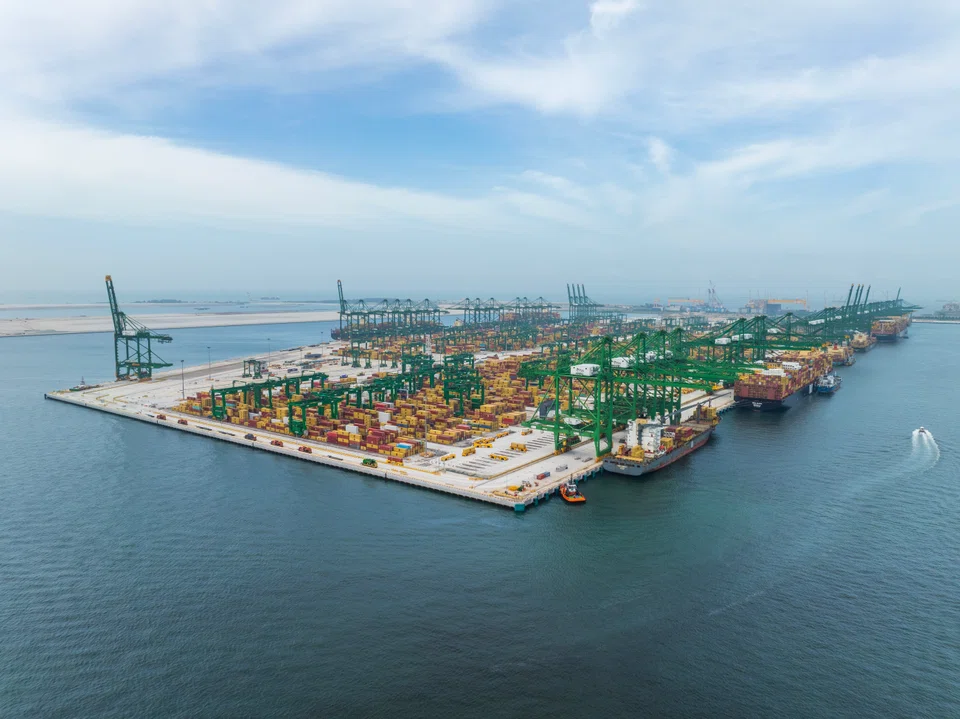
PORTS have long served as critical gateways connecting economies with global trade. As shifting trade patterns and recurring disruptions make global logistics more complex and less predictable, the role of ports is evolving. Customers increasingly need reliable access to markets, greater visibility over cargo movements and the flexibility to adjust routes and plans as operating conditions change.
Headquartered in Singapore with a presence in 45 countries, PSA is addressing these needs by strengthening its terminal operations while connecting them more closely with inland infrastructure, logistics services and digital platforms. This allows the group to support customers beyond the waterfront and build more coordinated port ecosystem networks around the world.
Terminal operations remain the foundation of PSA’s business. By connecting them more closely with capabilities across the wider cargo journey, PSA can help customers navigate supply chain complexity, access different transport options and maintain cargo flows through changing market conditions.
“Global trade is entering an era in which resilience depends as much on the quality of connections across supply chains as it does on the strength of individual terminals,” says Ong Kim Pong, group CEO of PSA International. “Through our Node to Network strategy, PSA is bringing together the scale and expertise of our global portfolio to build more integrated port ecosystems around the world – giving businesses more reliable access to markets and greater agility to navigate change.”
Connecting capabilities around customer needs
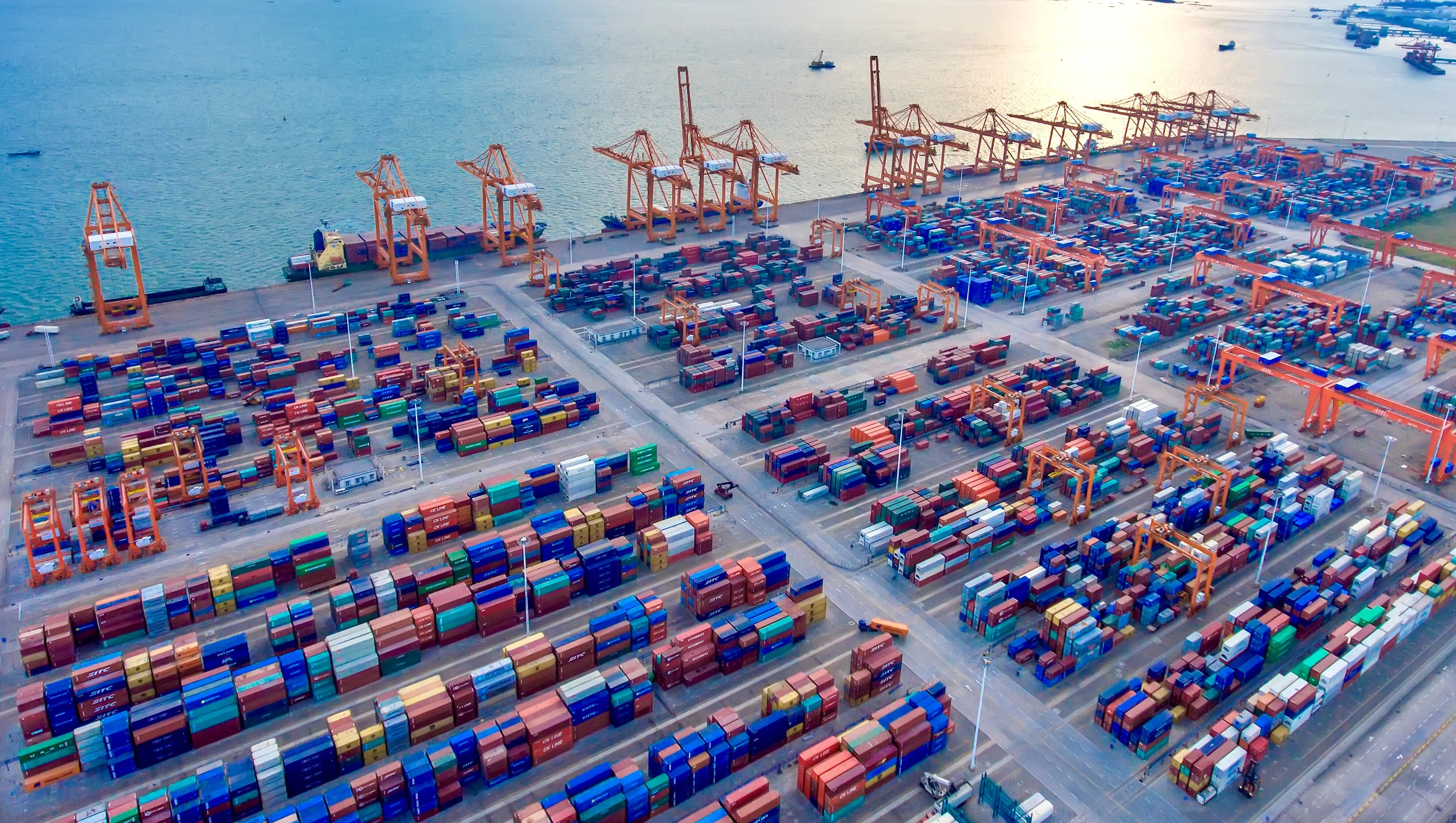
PSA’s evolution starts with understanding what customers need from their logistics operations. Better visibility over cargo movements, combined with access to multiple transport modes and logistics services, gives customers greater flexibility to reroute cargo, adjust plans and maintain continuity of cargo flows when conditions change.
The group’s approach brings together its capabilities and partnerships to address challenges across the wider cargo journey, with technology and innovation serving as key enablers. Through PSA AI (π), the group applies artificial intelligence and data analytics across its operations and enterprise systems to enhance planning and operational efficiency, including optimising container yard utilisation, improving resource allocation and strengthening demand forecasting.
These capabilities augment automation, which can enhance safety, consistency and productivity within terminals.
Beyond individual PSA nodes, digital connectivity and actionable insights enable better coordination across PSA’s wider network. Together, these capabilities help customers anticipate and manage disruptions more effectively, strengthening resilience and creating opportunities for growth while keeping customer needs at the centre of investment and innovation.
In Singapore, Tuas Port illustrates how automation, digitalisation and closer integration with logistics capabilities can come together to support more efficient and resilient cargo flows within the port ecosystem. Drawing on experience and expertise across its portfolio, PSA is exploring opportunities to scale up automation where practicable, guided by each market’s operational needs, infrastructure and workforce readiness, and commercial viability.
PSA Singapore’s collaboration with Cargo Community Network on OptEModal brings together real-time data from terminals, ground handlers and airline partners on a single sea-air shipment management platform to improve shipment visibility and coordination between transport modes. It demonstrates how innovation can help customers navigate complex cargo movements and make better-informed logistics decisions.
Extending maritime gateways inland
This focus on connectivity is also shaping PSA’s developments internationally. Across its portfolio, the group explores opportunities to strengthen critical trade gateways, improve connectivity and deliver customer value through operational excellence, technology and partnerships.
In China, PSA’s rail-sea connectivity helps streamline cargo flows between inland production centres and international markets, including through the International Land-Sea Trade Corridor linking Western China via Qinzhou with South-east Asia. Along China’s southeast coast, PSA is also seeking to deepen its presence in Fujian through its proposed investment in Xiamen Container Terminal Group, while further strengthening its established investment in the Xiamen Port Intermodal Logistics Hub.
India provides another example of capacity and connectivity advancing together. PSA Mumbai’s Phase 2 expansion in 2025 positioned it as the country’s largest container terminal. Its rail infrastructure and connections to inland container depots further strengthen access to manufacturing and consumption centres across the hinterland.
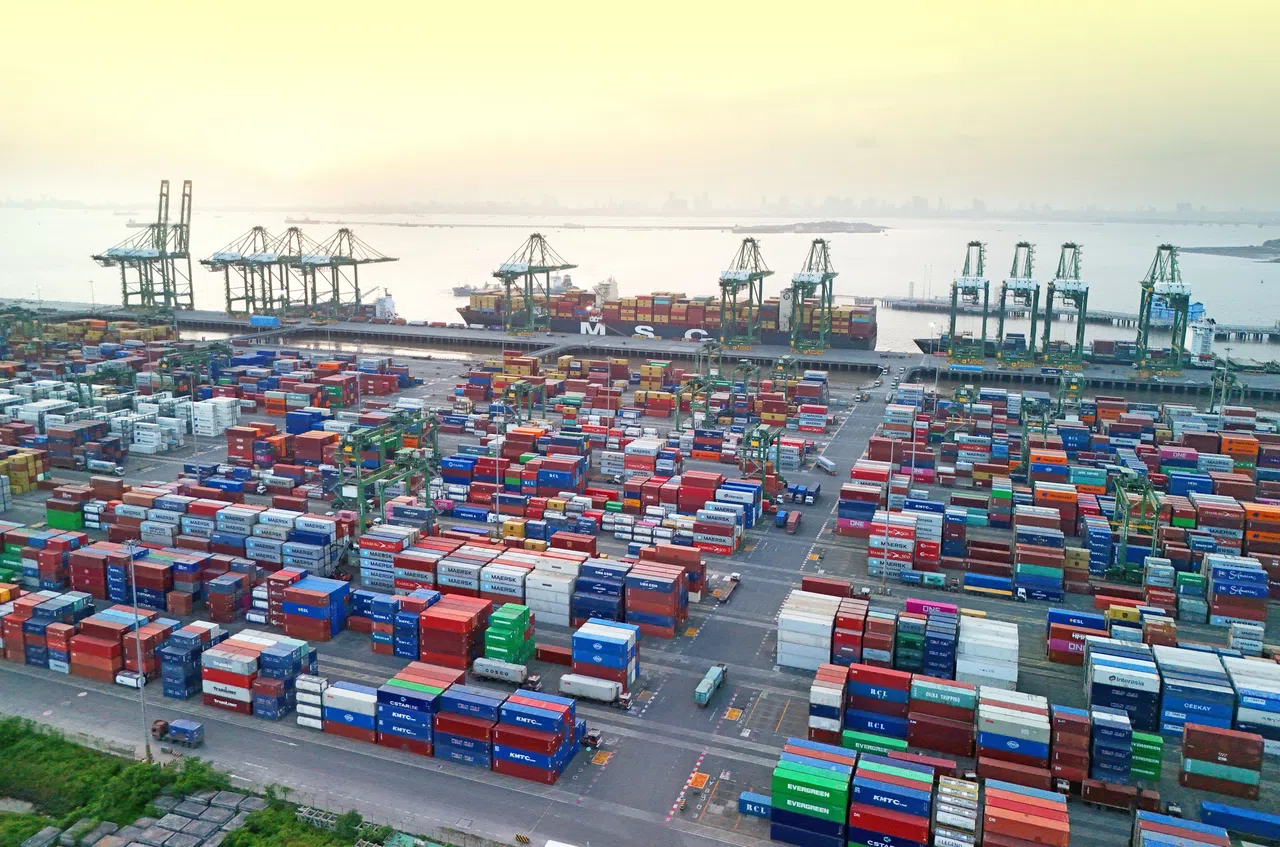
Within the Gulf, Saudi Global Ports commenced operations at Jubail Container Terminal, an important export gateway for Saudi Arabia. This is complemented by the Dammam Integrated Logistics Zone under development, which will bring together port and inland terminal capabilities with warehousing, coldchain and other industrial logistics services. Collectively, these developments will help customers in the Gulf manage more of their supply chain needs through a connected ecosystem.
Across Europe, Baltic Hub, Poland’s largest container terminal in Gdansk, serves as a key maritime gateway anchoring Loconi Intermodal’s expanding rail connections with inland markets across Central and Eastern Europe. Loconi’s direct service from Baltic Hub to PKP Cargo International Terminal Paskov near Ostrava connects businesses in the Czech Republic’s industrial hinterland with global shipping networks through Gdansk. Further south, the establishment of PSA Padova in Italy strengthens links between inland terminals, seaports and international transport networks, supporting freight flows across Northeastern Italy.
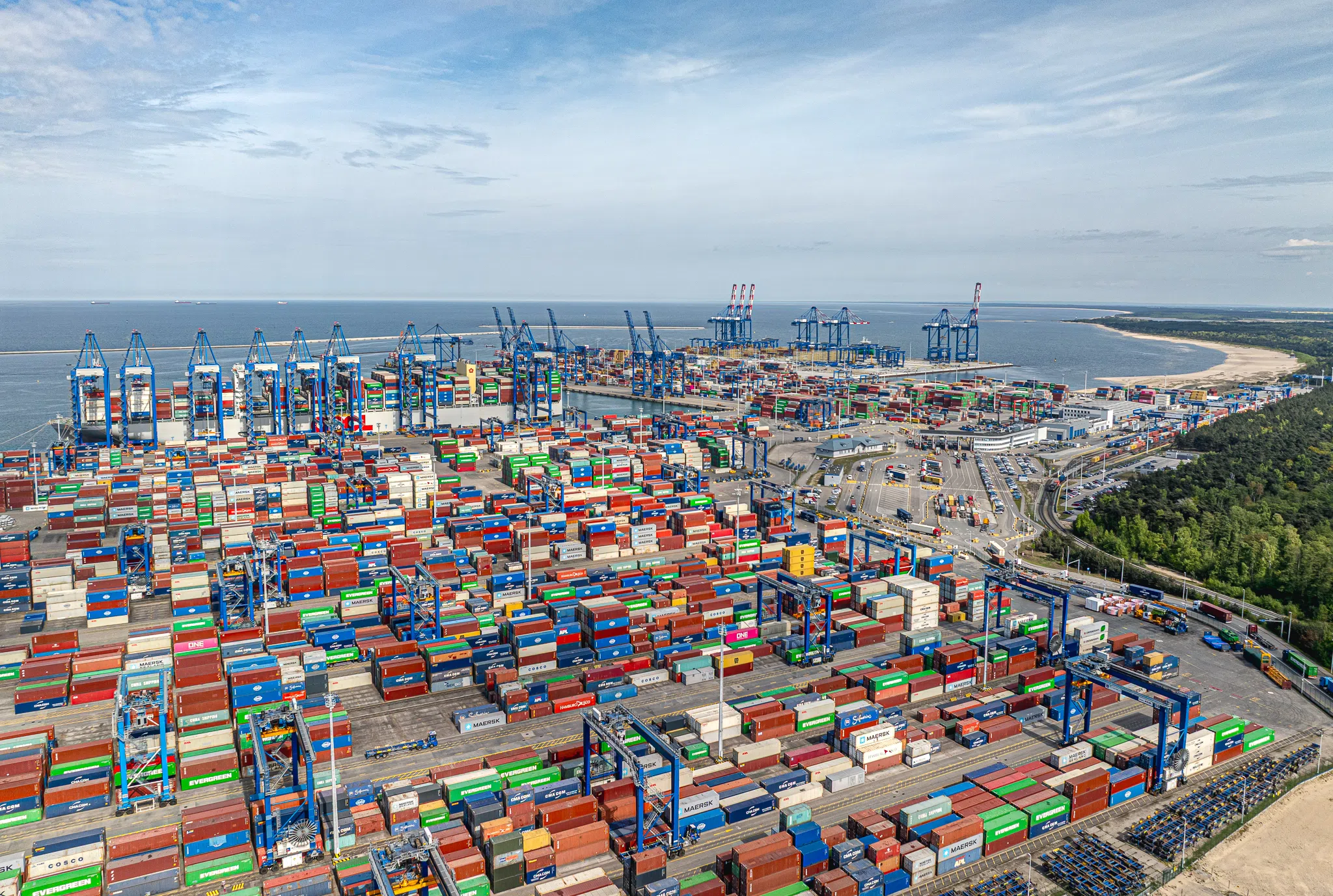
Further strengthening its presence in South-east Asia, PSA plans to jointly develop and operate four deep-sea container berths at Lach Huyen Port in Hai Phong, Vietnam. Together with PSA’s existing inland container depot facilities in Bac Ninh, the development will connect inland cargo hubs with global shipping networks, strengthening customers’ access to international markets and supporting the continued growth of northern Vietnam’s manufacturing and logistics ecosystem.
While these investments share a consistent strategic direction, their execution reflects local market needs. PSA’s global presence enables expertise and innovation to be shared across markets, while local knowledge and partnerships shape how those capabilities are applied.
Advancing efficiency and decarbonisation together
Decarbonisation is integral to PSA’s strategy and shapes its long-term investments. The group’s ambition to achieve net-zero carbon emissions from its own operations and energy use by 2050 reinforces this perspective: infrastructure decisions made today will shape the efficiency, resilience and environmental performance of supply chains for decades.
Rail and intermodal connectivity can advance these objectives together. Where cargo volumes, distances and infrastructure support it, rail offers customers an efficient, lower-carbon transport option while extending the reach of maritime gateways and relieving pressure on road networks. PSA’s developments in Europe, China and India illustrate how intermodal connectivity can support more efficient and resilient trade flows across different markets.
The group is also investing in renewable energy and equipment that support both operational and environmental performance. Solar installations are already in place at several terminals, with PSA Zeebrugge in Belgium adding solar panels earlier this year as part of this broader effort. In Canada, PSA Halifax is advancing the electrification of its equipment fleet with two new electric, remotely operated rail-mounted gantry cranes. Besides increasing rail capacity and efficiency, the cranes are expected to reduce carbon emissions by at least 640 tonnes annually. As part of the wider Inter-Terminal Rail Solution Project, they will also support the shift of port-related cargo movements from road to rail.
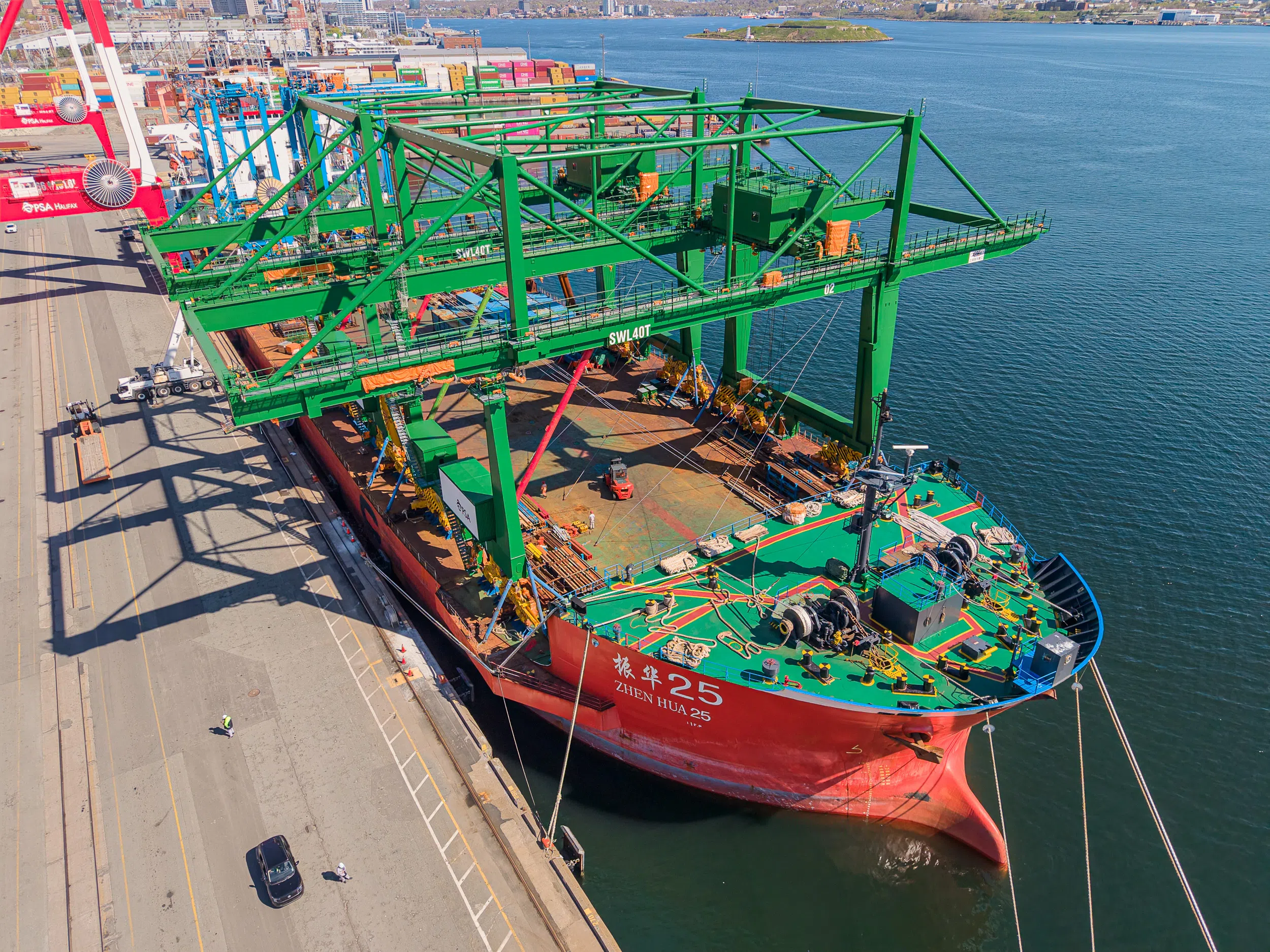
Beyond infrastructure and equipment, PSA collaborates with customers to advance decarbonisation across maritime operations. With Pacific International Lines, supported by DNV, PSA has launched a joint land-sea green shipping service that gives customers access to verifiable emissions reductions across shipping, terminal and landside operations.
PSA’s collaboration with Yang Ming similarly seeks to combine the shipping line’s maritime fuel initiatives with PSA’s green terminal capabilities, supported by digital tools for transparent emissions accounting. Together, these partnerships reflect PSA’s focus on helping customers translate their sustainability ambitions into practical, measurable action.
For lower-carbon solutions to achieve adoption at scale, they must be commercially viable and operationally reliable.
This requires coordination across shipping lines, ports, inland terminals, transport providers and cargo owners, supported by digital tools that improve planning, capacity utilisation and emissions visibility.
Strengthening the network for the future
Looking ahead, PSA sees significant potential where physical infrastructure, logistics services and digital capabilities come together. Pursuing new geographies will remain relevant, but there is also considerable scope to deepen connectivity around the group’s existing portfolio and help customers derive greater value from the networks already serving them.
Investment decisions will continue to be guided by customer demand, long-term commercial fundamentals and the contribution PSA can make alongside its partners. Growth should strengthen both individual nodes and the wider network’s ability to support trade through evolving conditions.
Outlining the group’s path ahead, Ong says, “PSA’s priority for its next phase of growth is to realise the collective potential of our global network, by strengthening our strategic nodes, lifting productivity and deepening collaboration across the wider trade ecosystem. This rests on our 61,000 employees around the world, whose expertise and dedication underpin the reliability of our operations. As stewards of global trade, we will continue to invest with a long-term view, building dependable connections and creating lasting value for the customers, partners, economies and communities we serve.”

Share with us your feedback on BT's products and services
TRENDING NOW

Once staunchly pro-China, Malaysian Chinese businesses are now distancing themselves from Beijing

Looking beyond looming CEO succession, should UOB potentially pursue a transformative merger?

Could stablecoins be the future of money?

Grab CEO’s wife Chloe Tong on life with Anthony Tan and finding her purpose

