

Reimagining the university for the AI age
As the world’s first Design·AI university, the Singapore University of Technology and Design is embedding AI across education and research to prepare graduates for a rapidly changing world
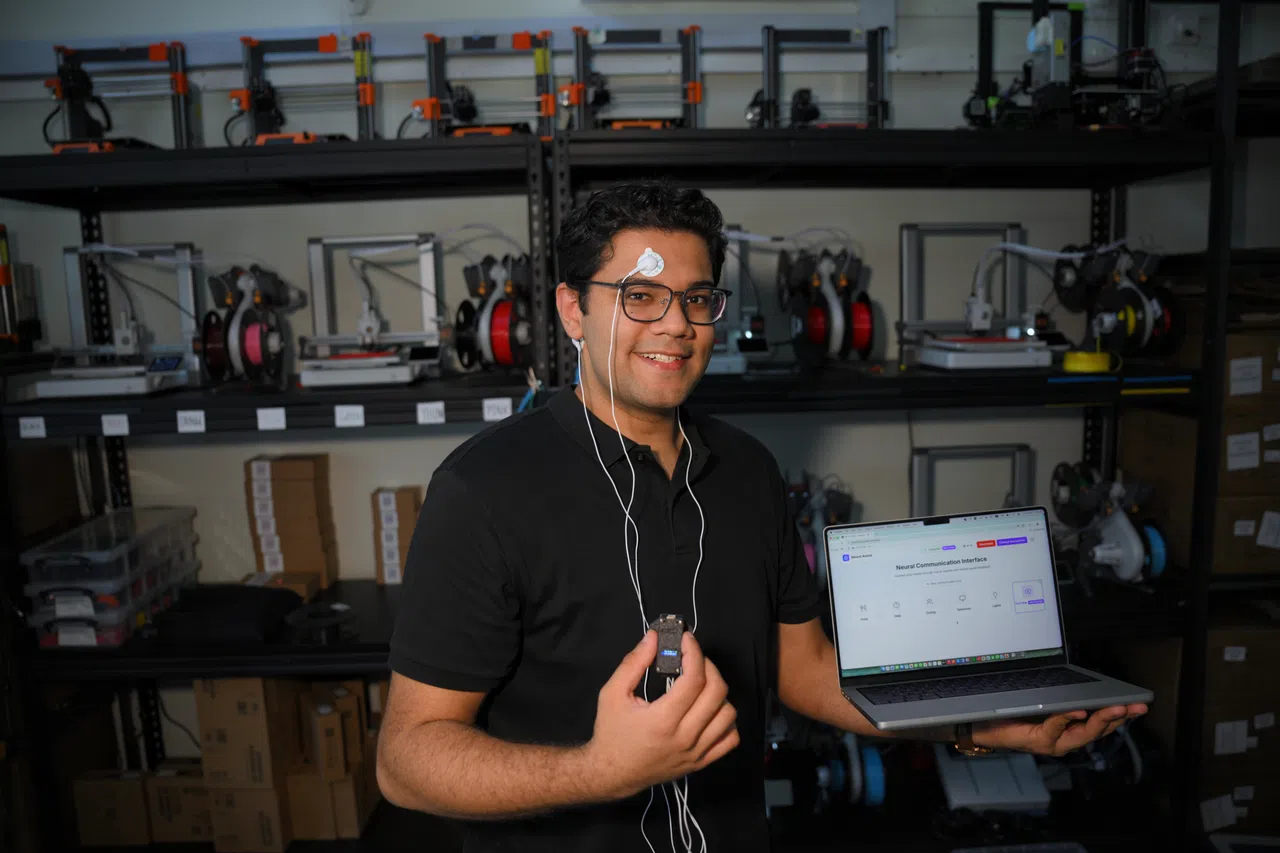
WHEN Singapore University of Technology and Design (SUTD) students Rachel Tan and Chia Zhi Feng began thinking about their first startup, they decided to tackle a familiar challenge faced by many students: the anxiety of speaking in front of an audience.
The result was pitchMe, an AI-powered platform that provides personalised feedback on presentation skills, from posture and eye contact to vocal delivery and audience engagement. What started as a classroom idea has since grown into a venture serving more than 300 users, completing over 1,000 presentation analyses and expanding beyond Singapore.
More than a successful student startup, pitchMe reflects SUTD’s approach to innovation, which begins with understanding genuine human needs before applying technology to solve them.
This philosophy has become even more relevant as AI transforms how people learn, work and create. Rather than asking whether universities should teach AI, SUTD is focused on a more fundamental issue. What should higher education look like when knowledge is no longer scarce and AI can increasingly perform tasks once reserved for highly trained professionals?
Its answer has been to rethink not only what students learn, but how they learn and how they turn ideas into meaningful impact.
A new blueprint for innovation
Since its establishment in 2009 in collaboration with the Massachusetts Institute of Technology, SUTD has distinguished itself as one of the first universities in the world to incorporate design and technology into a holistic interdisciplinary education and research experience.
Building on those foundations, SUTD made another significant shift in January 2025 when it became the world’s first Design·AI university.
Rather than positioning AI as a standalone discipline, Design·AI integrates it across education, research, innovation and enterprise. The objective is not simply to produce graduates who are proficient in AI tools, but “trilingual” graduates who understand how to combine AI with deep domain expertise and design thinking to solve real-world problems.
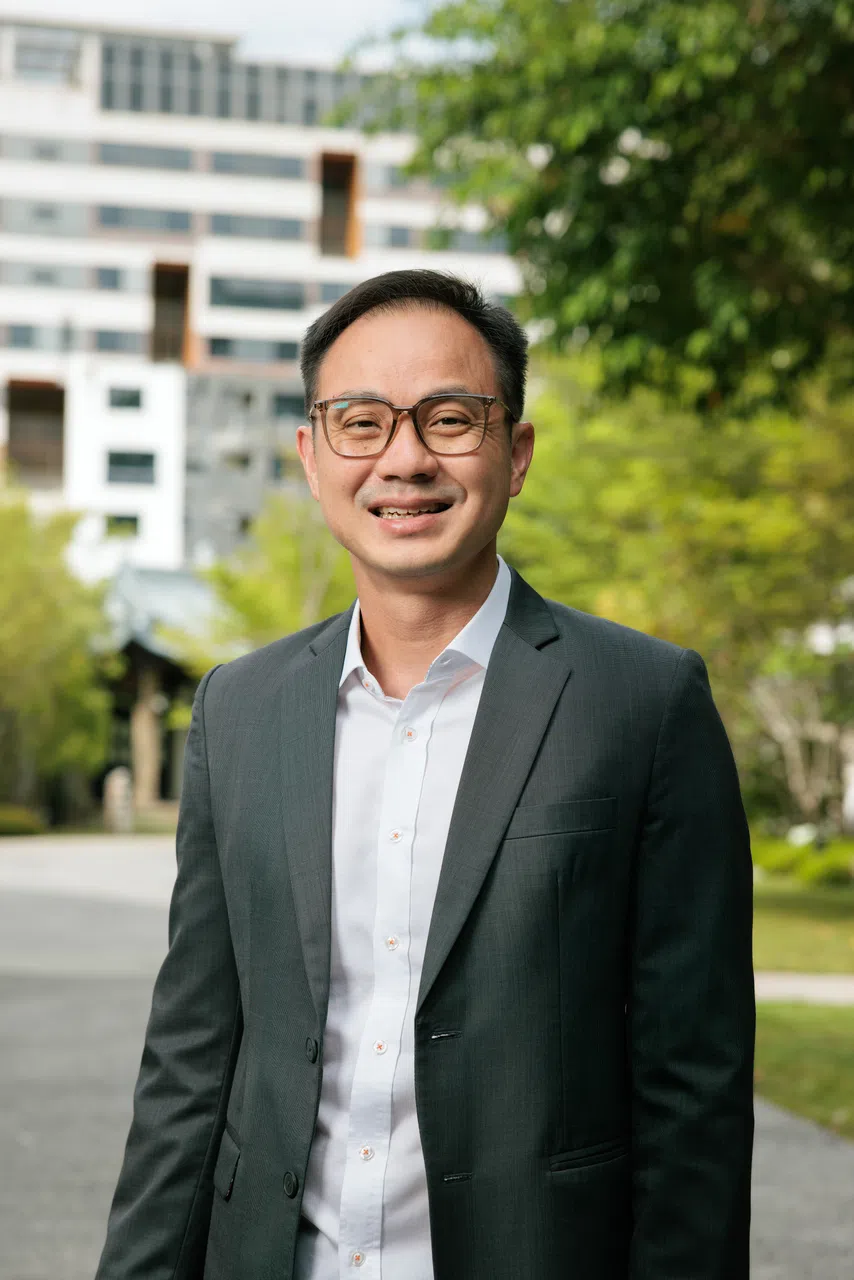
Just as importantly, Design·AI reflects SUTD’s belief that graduates must learn to retain the human agency to work without AI when circumstances require. “True innovation requires more than technical capability alone. It begins with empathy, a deep understanding of real human needs and the ability to design solutions that create real impact in people’s lives,” says Poon King Wang, chief strategy and design AI officer at SUTD.
That human-centred philosophy is reflected throughout the curriculum. Recognising that understanding people is just as important as understanding technology, up to 20 per cent of every undergraduate programme comprises humanities, arts and social sciences.
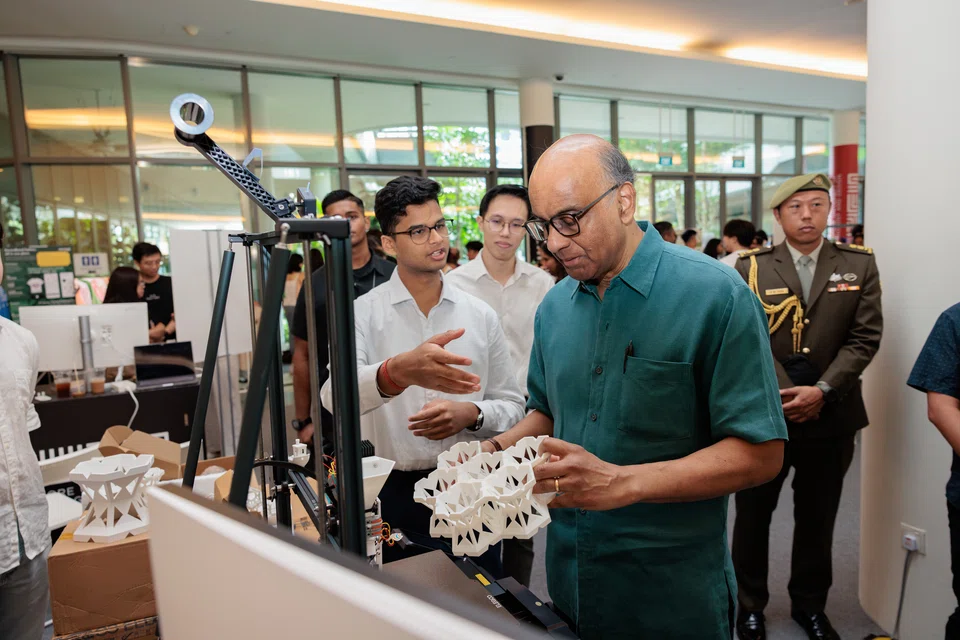
Turning this philosophy into action is Design·AI Innovation and Venture Exploration (DIVE), the centrepiece of SUTD’s next phase of development. DIVE places greater emphasis on learning through doing, interdisciplinary collaboration and transforming ideas into practical solutions.
Through DIVE, students are given the opportunity to explore their ideas, build and test through hands-on experimentation, gain exposure working across global innovation ecosystems, and create solutions with real-world impact.
Grants, mentorship, venture-building programmes, global internships and a residential college are among the components of DIVE to help students become globally minded, venture-literate and values-anchored Design·AI specialists.
Turning ideas into real-world impact
Rachel and Zhi Feng’s journey with pitchMe demonstrates what SUTD’s approach looks like in practice. Through DIVE, the pair participated in capacity-building innovation programmes including StartSomething, received early-stage funding through the Baby Shark Fund and were supported by mentors and entrepreneurial networks at DIVE | Commons, SUTD’s innovation hub.
Since launching, pitchMe has also partnered organisations including Singapore Polytechnic, the National University of Singapore and the National Youth Council, while securing more than S$71,000 in grants, awards and startup funding. The team’s participation in a DIVE overseas programme also led to a partnership with UTH University in Vietnam.
Preparing students is only one part of SUTD’s ambitions. The university is also working with businesses, public agencies and workers to help them apply AI in practical ways.
More than 1,500 participants across different industries and career stages have taken part in workshops led by Poon and his team, with AI adoption, proficiency and confidence all increasing by at least 30 per cent, according to the university.
The work spans organisations from SMEs such as KHL Printing and Vector Green to larger organisations including SJ Group and Gardens by the Bay, as well as the Oral History Centre.
“The organisations that adopt AI the fastest start by empowering people closest to the work to identify pain points and build practical prototypes, instead of asking which tool to purchase,” says Poon.
“The biggest misconceptions are that AI adoption must be led only by technical experts. In practice, with the AI we have today, it can be led by anyone who is grounded in domain knowledge and has the imagination and agency to build and create,” he adds.
For SUTD, these collaborations reinforce an important lesson. Successful AI adoption is driven less by technology itself than by people who understand their work deeply enough to recognise where AI can make a meaningful difference.
Designing the next generation of intelligent systems
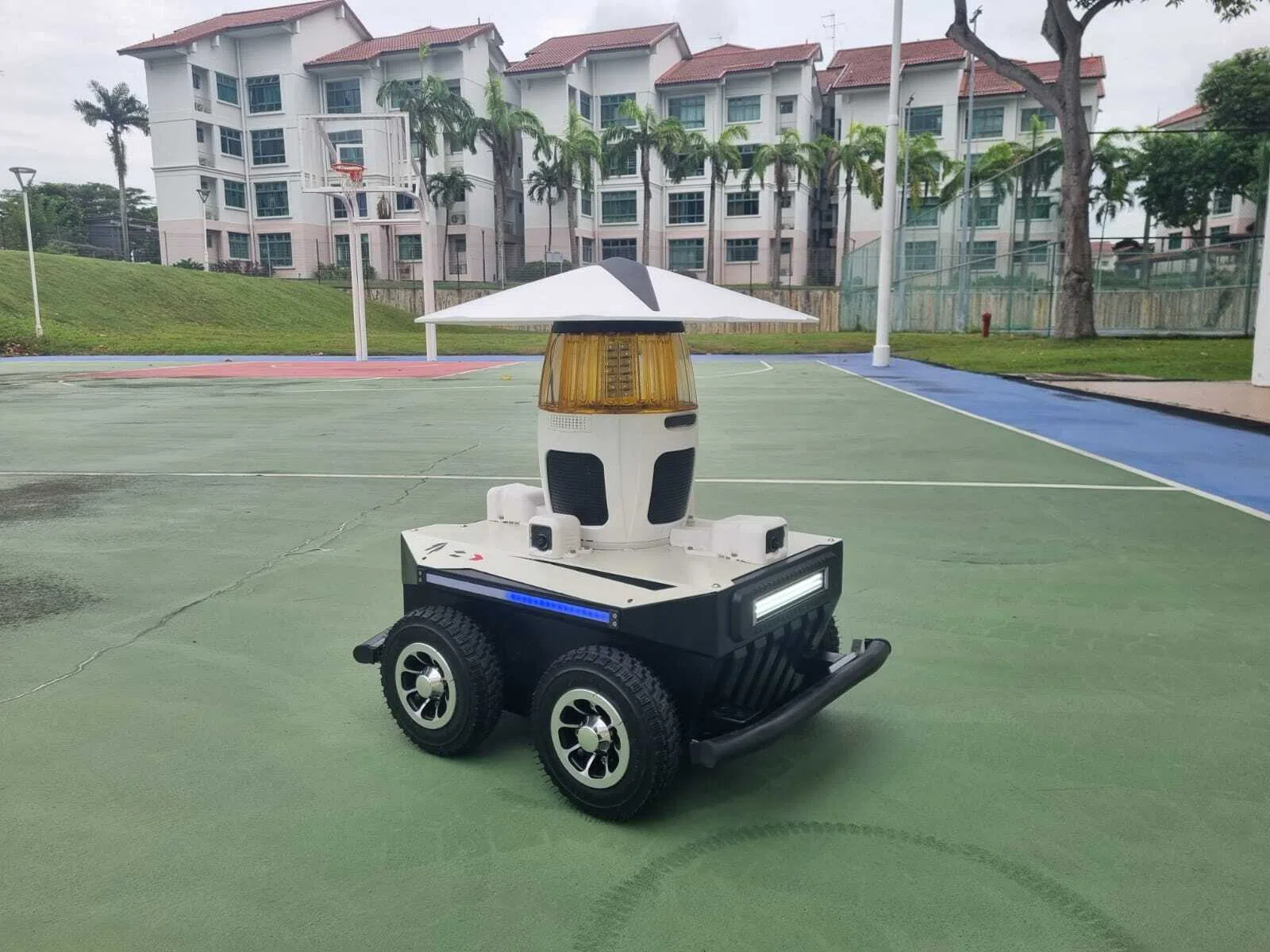
Helping organisations adopt AI more effectively is one part of SUTD’s contribution to Singapore’s future economy. The university is also investing in research that could impact how AI is deployed in the physical world – translating advanced AI into autonomous systems that can perceive, reason, adapt, and act in complex real-world environments.
SUTD’s current research is laying the foundations for airport terminals where autonomous systems seamlessly orchestrate baggage handling, aircraft servicing, and passenger operations; robot-ready infrastructures that integrate fleets of intelligent robots into everyday facility management; and construction sites transformed by autonomous machines that enhance safety, productivity, and sustainability.
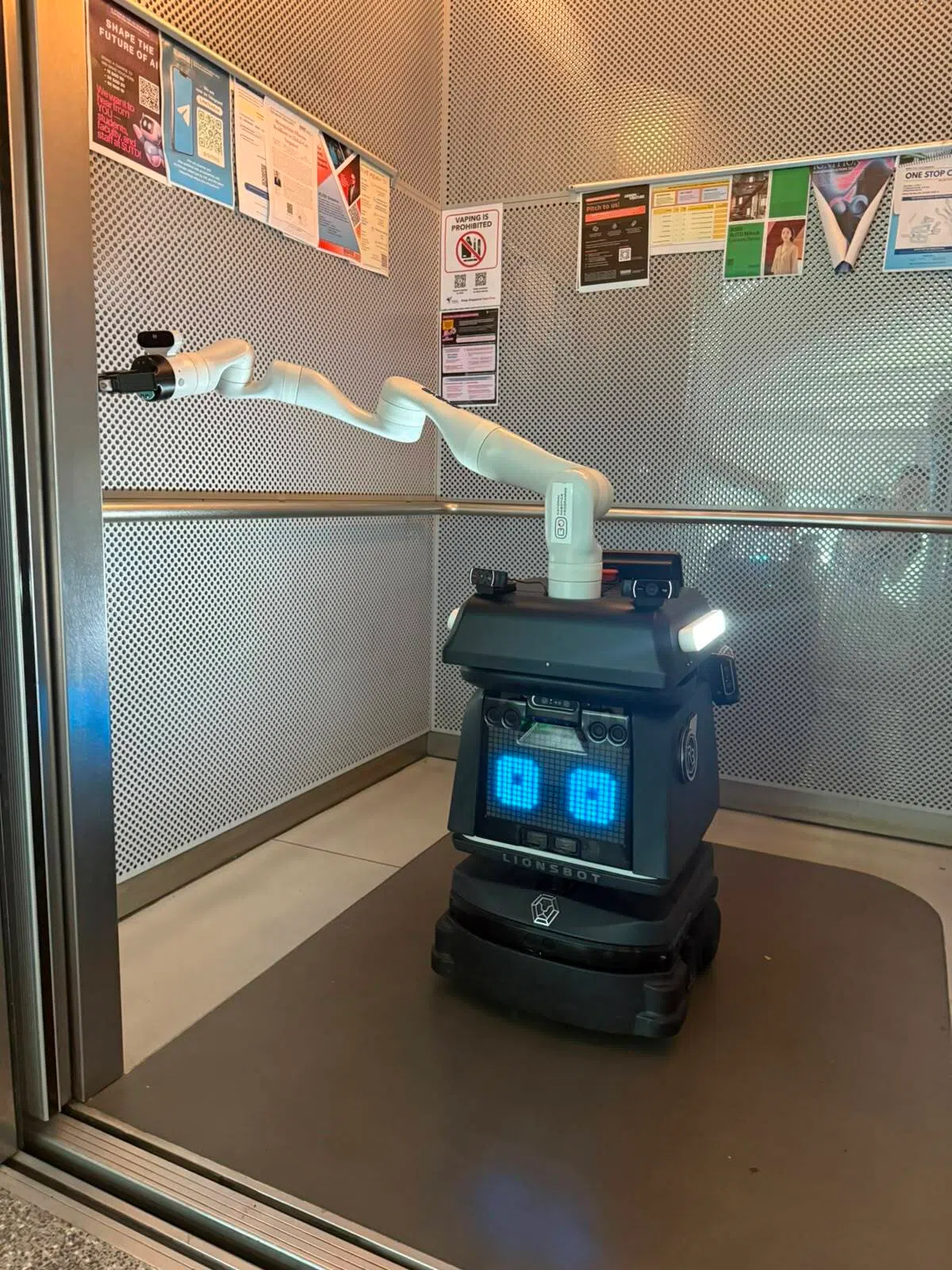
“By 2030, I envision Physical AI fundamentally redefining the relationship between people, infrastructure, and intelligent machines. At SUTD, our research is pioneering the convergence of embodied AI, robotics, and next-generation communications to create intelligent physical environments,” says Professor Mohan Rajesh Elara, a key driver of the university’s Physical AI initiatives.
Looking ahead, Poon notes that as AI becomes a foundational technology across industries, the next challenge is ensuring that organisations create value through AI rather than merely consume it.
He says: “Innovation is the hallmark of the SUTD education and DIVE will nurture design innovators and innovator-leaders who can shape what AI becomes and how it is applied. Our graduates will know what is worth building – and have the courage and capability to build it.”
What makes SUTD a Design·AI university?
- The world’s first Design·AI university Since January 2025, SUTD has embedded AI as a university- wide horizontal spanning education, research, innovation and enterprise, rather than treating it as a standalone discipline.
- Preparing “trilingual” graduates Students are equipped with three complementary capabilities: deep domain expertise, AI capability and design thinking, enabling them to develop human-centred solutions to real-world challenges.
- Beyond AI literacy SUTD aims to nurture graduates who can work with AI, work beyond AI, and retain the human agency to work without AI when judgement, empathy and ethical decision-making are required.
- Learning through doing Hands-on, interdisciplinary learning encourages students to experiment, develop prototypes, test ideas with real users and industry partners, and translate concepts into practical solutions.
- DIVE turns ideas into impact The Design·AI Innovation and Venture Exploration (DIVE) initiative provides students with grants, mentorship, venture-building programmes, global internships and a residential college to help them become globally minded, venture-literate and values-anchored Design·AI specialists.
Share with us your feedback on BT's products and services
TRENDING NOW

Once staunchly pro-China, Malaysian Chinese businesses are now distancing themselves from Beijing

Looking beyond looming CEO succession, should UOB potentially pursue a transformative merger?

Could stablecoins be the future of money?

Grab CEO’s wife Chloe Tong on life with Anthony Tan and finding her purpose

