

Why human judgement matters in the age of AI
As artificial intelligence becomes more widely available, Deloitte believes competitive advantage will come from people who can apply it with sound judgement and deep industry knowledge
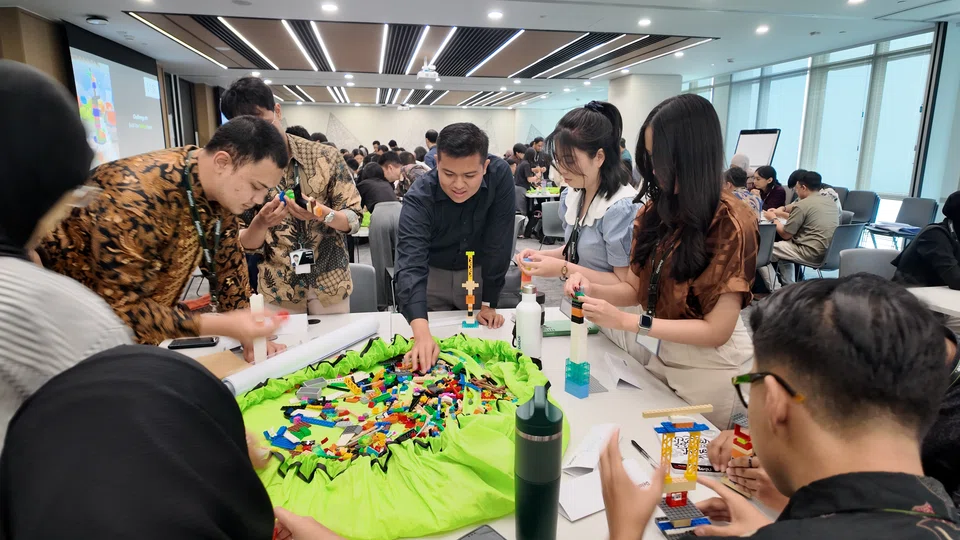
ARTIFICIAL intelligence can analyse vast amounts of information, suggest answers and take on administrative tasks that once consumed hours. Yet speed and efficiency have their limits; the technology cannot always recognise when the wrong question is being asked, and its outputs can become increasingly difficult to validate as large language models (LLMs) grow more complex.
Nor can it fully account for the regulatory environment and stakeholder expectations, manage the practical work of implementing change, or make sound decisions. Those responsibilities fall to people.
This need for human judgement is key to Deloitte’s approach to AI. The professional services firm does not see the technology as something its professionals will simply coexist with, or as a substitute for their expertise. Rather, it sees AI as a tool that can help them do better work.
From faster answers to better decisions
Deloitte is integrating AI across its operations to improve efficiency and productivity – and, in turn, deliver greater value to clients. The technology can reduce routine tasks, speed up analysis and make it easier to share knowledge, freeing professionals to spend more time on higher-value work that requires their judgement and expertise.
The firm is also embedding AI across its client services. The aim is to help organisations use the technology in ways that address actual business needs, while retaining human responsibility for its outcomes.
While AI can deliver significant productivity and efficiency gains at the task level, achieving the same gains across end-to-end workflows is more elusive.
Organisations must therefore decide where AI can add value, how it fits into their operations and what safeguards are required. Human involvement remains essential to redesign processes, secure stakeholder support, exercise judgement, interpret results and recommendations, and adapt implementation as conditions change.
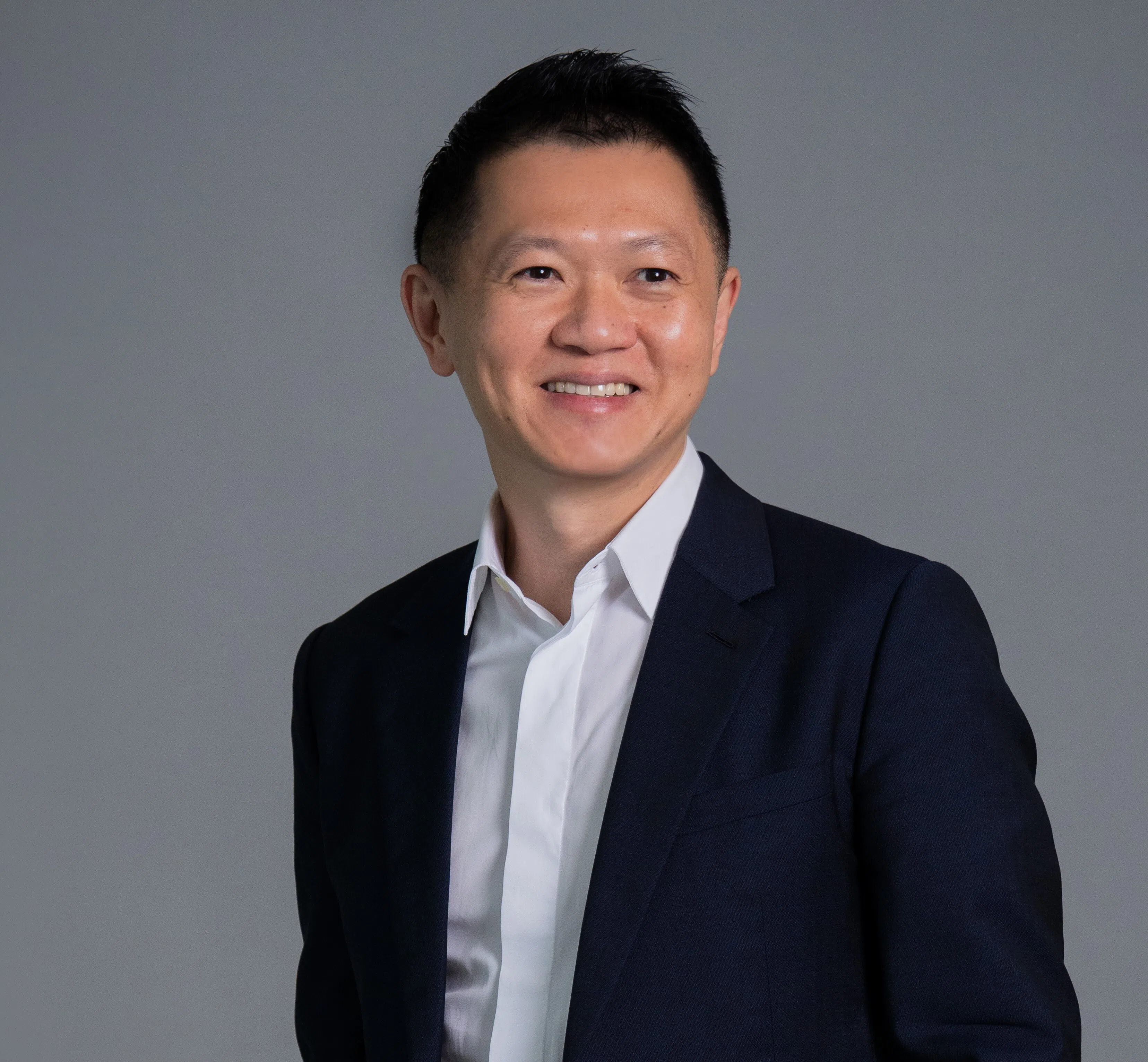
“The future of professional services will not be defined by AI alone. It will be defined by having humans in the loop who know how to use AI as a practical tool to solve complex business challenges. Deloitte’s people can contribute because of the industry knowledge, client experience, business acumen and judgement they bring to multidisciplinary work,” says Ho.
Deloitte describes the ability to make these decisions as “AI judgement”. In practice, it means knowing when technology can be relied upon, when its output needs to be questioned, and how to frame the problem, connect the dots and translate AI outputs into meaningful business decisions.
An AI-generated answer may sound convincing without being correct or suitable for a particular situation. Understanding a client’s sector and circumstances enables Deloitte professionals to validate its assumptions, identify possible risks and consider the consequences of acting on its recommendations before deciding whether to turn the output into a useful course of action, or reject it when it does not stand up to scrutiny.
Learning in an AI-enabled workplace
For Deloitte, the future of AI is deeply human. While others may see AI as replacing people, the firm sees it as a catalyst to invest even more deeply in training and developing its talent.
This conviction is being put into practice through AI-focused modules within its wider learning programmes at all career levels. The training focuses on how professionals can use the technology effectively without losing sight of the professional and ethical standards that guide their work.

AI is also likely to change how different generations work together in professional services. Younger professionals, the “AI natives”, bring greater familiarity and confidence with AI tools, and the more experienced professionals bring deep sector knowledge, client understanding and sound judgement.
Combining the strengths of the two generations will be key. Through mentorship and apprenticeship-style coaching, those with the sector expertise and client experience can help younger colleagues recognise when an AI response should be challenged, while learning from their AI fluency and new ways of working.
Building these capabilities starts even before new hires enter the workplace. Deloitte has expanded its talent programmes to attract people with the potential to thrive in professional services today.
Deloitte’s Inspires and Amplify programmes are key to this effort. Inspires gives university students in their penultimate year early exposure to professional services, particularly within its advisory businesses. In the past year, the programme welcomed more than 1,000 interns across Deloitte’s key Southeast Asian markets.
Meanwhile, Amplify offers graduates and early-career professionals an alternative route into the sector. Launched in 2025, it has expanded across Indonesia, Malaysia, Singapore, Thailand and Vietnam. The programme has attracted more than 2,000 candidates.
In addition to its early-career programmes, Deloitte is investing in leadership development, apprenticeship pathways and opportunities for its people to gain experience across different parts of the firm. It is also bringing in leading experts from Singapore and overseas to the Asean markets, to share their knowledge and train its professionals. These initiatives help Deloitte people advance their careers, broaden their capabilities, take on greater responsibility and progress towards leadership roles.
Together, these initiatives are expected to be a key differentiator and competitive advantage for Deloitte to attract, develop and retain the best talent for an AI-enabled future.
Turning AI into business value
The skills Deloitte are cultivating internally are the same ones it believes businesses will need as AI moves from experimentation to everyday use. In Singapore, where there is already a strong digital foundation and a growing AI ecosystem, these capabilities will be especially important in shaping the next phase of digital transformation as the country continues to play a leading role in AI innovation across Southeast Asia.
AI can help businesses improve productivity, strengthen risk management, redesign the way they operate and develop new products and services. Southeast Asia’s diverse markets also offer opportunities to expand solutions across the region while adapting them to different local conditions.
Deloitte Singapore operates as part of an integrated firm spanning 10 countries in Asean, with access to the wider Deloitte network in Asia Pacific and globally. Singapore is also home to Deloitte Asia Pacific’s Centre of Excellence in Agentic AI, which supports regional clients as they explore, implement and expand their use of the technology.
While many organisations have explored AI’s potential, the greater opportunity lies in translating that potential into measurable business value. Deloitte sees its role as helping clients move beyond ideas and use cases to practical implementation, drawing on its sector knowledge and implementation experience. This includes embedding AI into how work gets done, strengthening decision-making and delivering tangible outcomes, while ensuring that the technology is used responsibly and ethically.
Realising AI’s potential also depends on the wider innovation and community ecosystems. Deloitte is therefore investing in initiatives that foster learning and collaboration, reflecting its belief that long-term success depends not only on technological capability, but also on trusted partnerships, strong institutions and thriving communities.
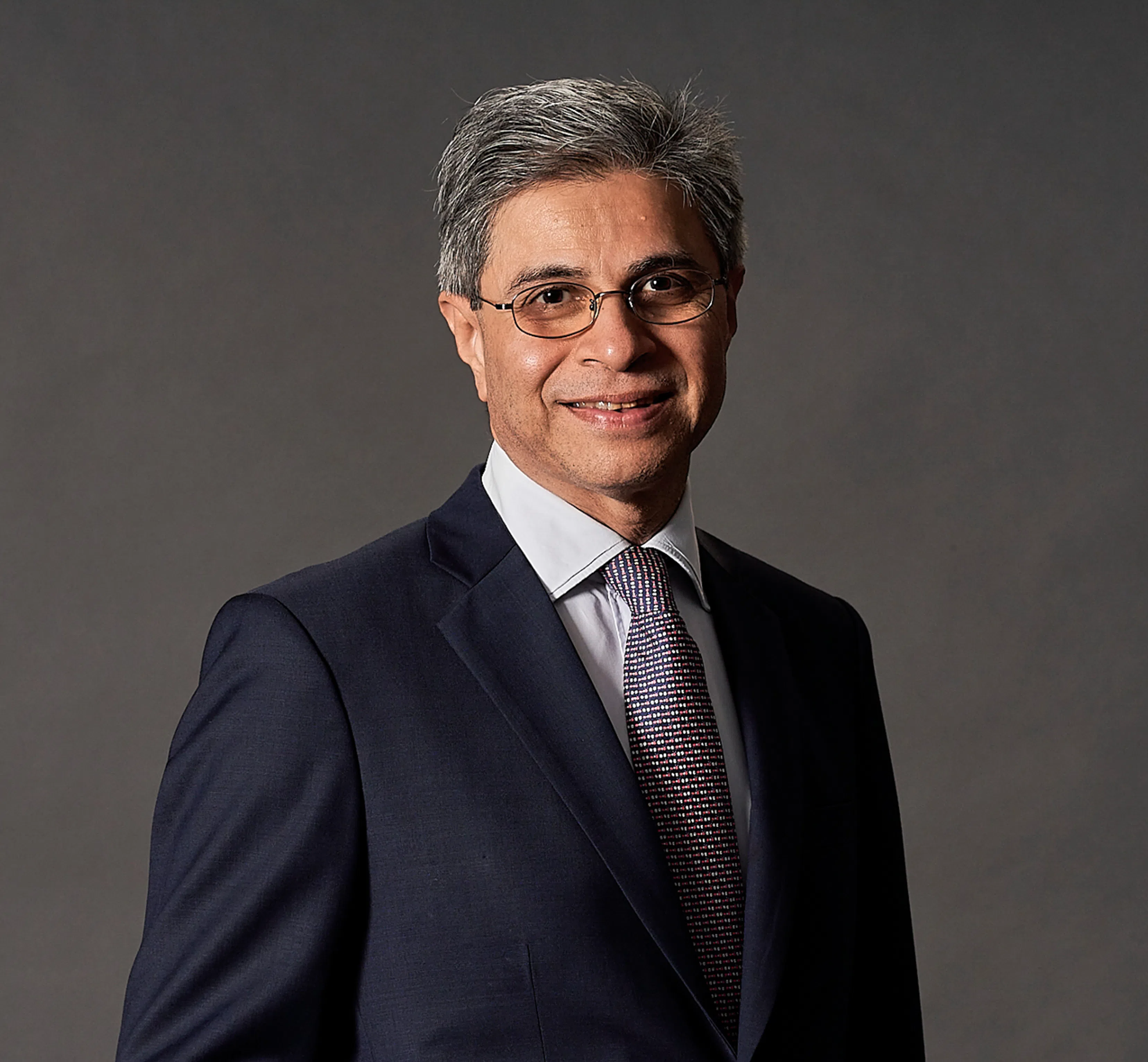
“Our ambition is for Deloitte Singapore to be known for the work we do, the talent we develop, the trust we build and the positive impact we create for our communities,” says Barmaky.
“As AI shapes Singapore’s future and changes how businesses and people work, our role is to help our clients, our people and our communities navigate that change with confidence and purpose.”

Share with us your feedback on BT's products and services
TRENDING NOW

Grab CEO’s wife Chloe Tong on life with Anthony Tan and finding her purpose

He built the Vingroup empire. Now South-east Asia’s richest man is handing some key roles to his sons

Singapore’s S$80 million vertical farm must pass the 50-cent test to succeed

Data centre energy demand from Asean telcos not a ‘big risk’, says industry group

