Building better housing for Singapore’s migrant workers
Beyond basic accommodation, Tee Up’s migrant worker dormitories aim to create a welcoming, community-oriented environment
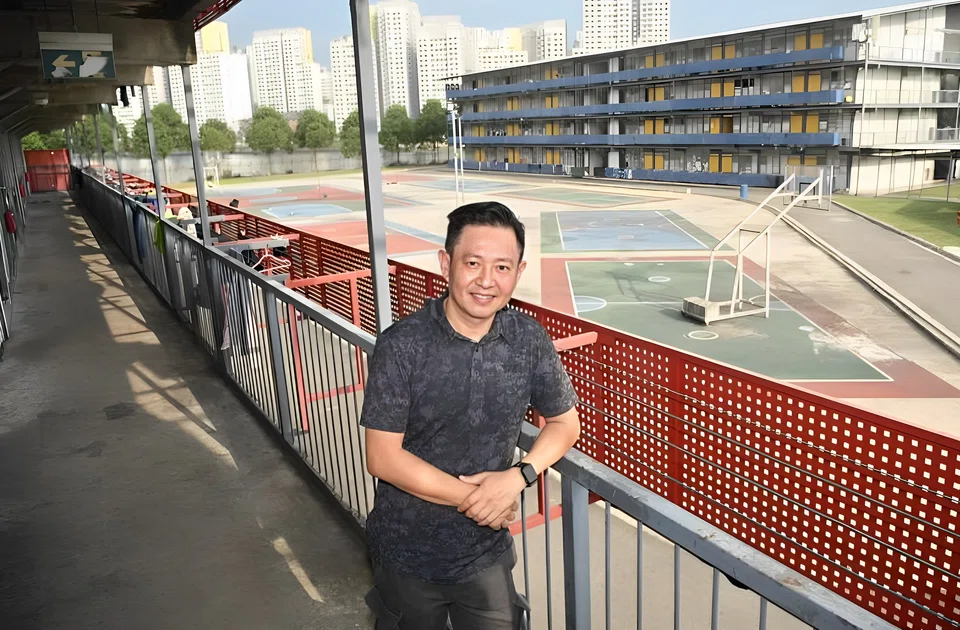
[SINGAPORE] Since its founding in 2006, Tee Up Capital has aimed to transform the landscape of migrant worker housing in Singapore.
“When Tee Up first began operating, there wasn’t much of a dormitory industry to speak of,” recalled CEO Kelvin Low.
At the time, living conditions in dormitories were poor, with many of these being old factory spaces with few amenities and inadequate fire safety features, he said.
Tee Up’s mission is to go beyond providing basic accommodation and create a welcoming, community-oriented environment for migrant workers.
Its flagship dormitory in Seletar North, PPT Lodge 1A, includes amenities such as a gym, television rooms, outdoor fitness areas and a multipurpose hall.
There are 4,176 beds spread across 348 rooms, with essential services such as laundry, a minimart, a food court and a barber shop available on site.
The company offers services in three areas: integrated dormitory development and management; facility and operations management; and hospitality management.
Tee Up’s operations take a “heart-first” approach, which involves prioritising residents’ needs; empowering employees; and incorporating corporate social responsibility in programmes and activities for workers.
Supporting migrant workers
During the Covid-19 pandemic, which caused isolation and stress for migrant workers, there was a critical need to address both their mental and physical well-being, said Low. “Almost all of them were demoralised and worried about what was coming next.”
In response, Tee Up set up a Resident Engagement Team in 2023, focusing on two key areas: improving mental well-being, and social and cultural integration.
“The pandemic underscores the importance of humanising our approach to worker welfare, making resident engagement and feedback central to our management strategy,” said Low.
To promote social and cultural integration, the team holds community events responding to the wishes of dormitory residents. These have included a “Taste of Home” culinary competition, recreational sports tournaments, live screenings of sporting events, cultural celebrations and birthday parties.
Members of the Resident Engagement Team also undergo psychological first aid training, giving them the skills to provide compassionate support to residents experiencing trauma-related stress.
A Peer Support Leader Training Programme raises mental health awareness among residents, so they can support their peers.
Beyond its residents, Tee Up’s people-centred philosophy extends to its employees, with a strong culture of employee engagement. Said Low: “We believe that people are our most important asset.”
The company offers employees opportunities for continuous upskilling and professional growth, with training courses ranging from facility management to tendering and contract management.
Cross-department collaboration is encouraged for new projects, promoting teamwork and allowing employees to showcase diverse skills.
Innovating for the future
Tee Up has grown from a small company to a medium-sized enterprise, while building a sizeable footprint in the dormitory space. Even as it strengthens its position in the industry, it is taking a strategic look at diversifying into new segments such as elder care and hospitality.
Innovation is part of its future strategy. To enhance operational efficiency, Tee Up is looking at automation and artificial intelligence for unmanned room inspections and remote monitoring.
On the sustainability front, Tee Up aims to reduce the environmental impact of its operations through moves such as installing solar panels and recycling “greywater” for irrigation and toilet flushing.
In partnership with the Centre for Governance and Sustainability at the National University of Singapore, Tee Up provided a six-month paid learning journey for undergraduate students to learn about its operations and environmental, social, and governance initiatives through thematic workshops, research projects, case studies and report submissions.
This series is part of the Enterprise 50 Educational Project between the E50 partners and the NUS Business School. Tee Up Capital was among the winners in 2023. The annual E50 ranking is co-organised by The Business Times and KPMG, sponsored by OCBC Bank, and supported by Enterprise Singapore, Singapore Exchange and Singapore Business Federation.