BYD keeps its lead in Singapore EV sales; BMW overtakes Tesla in Q3

Tay Peck Gek
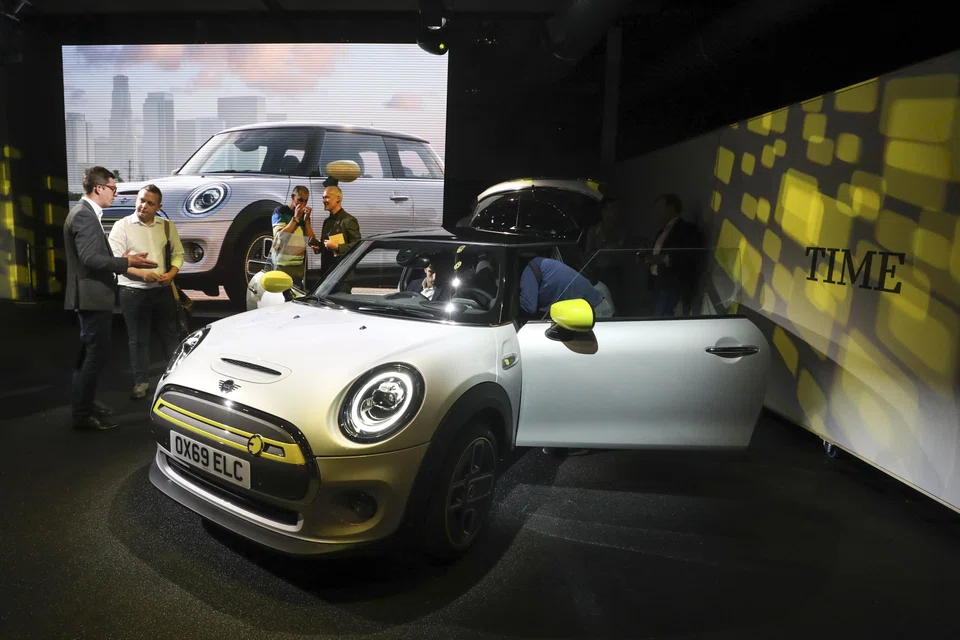
BYD remains the best-selling electric vehicle (EV) brand in Singapore this year, and BMW managed to overtake Tesla in registrations in the third quarter.
The latest data from the Land Transport Authority showed that BYD registered 750 fully electric passenger EVs – also known as battery EVs (BEVs) – in the first nine months of this year.
Tesla was in second place with 639 registrations, and Germany’s BMW was third at 558.
But in the third quarter alone, BMW pipped Tesla with 260 BEVs registered, against Tesla’s 239.
BEVs are fully-electric vehicles with rechargeable batteries and no internal combustion engine.
Ora, an EV brand owned by China’s Great Wall Motors, logged two registrations in August, the month it was launched in Singapore. There were no registrations in September.
Maxus, MG, and Polestar – all brands of European origin, but now in the hands of China companies – registered six, 105 and 82 EVs respectively in the first nine months of this year.
BYD has fleet sales in addition to consumer sales, whereas the other brands of EVs are sold primarily to consumers, noted Walter Theseira, an associate professor of economics at the Singapore University of Social Sciences.
“BYD vehicles have been popular for offering good value for fleet users such as (private-hailing vehicles) and taxis. BYD is also probably the best-known Chinese carmaker outside China and has entered many markets, so its international reputation is better established than most other Chinese firms,” he said.
The China automakers have no established brand premium to protect, so they are willing to be more aggressive on price, he added.
Vincent Su, an analyst at investment research firm Morningstar, said Chinese automakers also enjoy significant cost benefits, thanks to the country’s complete EV value chain: from upstream lithium production and battery manufacturing, to key component and vehicle manufacturing capacity.
Jochen Siebert, managing director of JPW Asia Consulting, noted that BYD, Ora and MG will also be producing EVs in Thailand. This should enable them to continue offering lower prices.