
COE: Mainstream car premium exceeds that of large cars for the first time in almost 6 years
Category B drops more than 5% to S$105,001 on recent deregistration rebate changes, but more uncertainty lies ahead, say observers
 Add BT as a preferred source
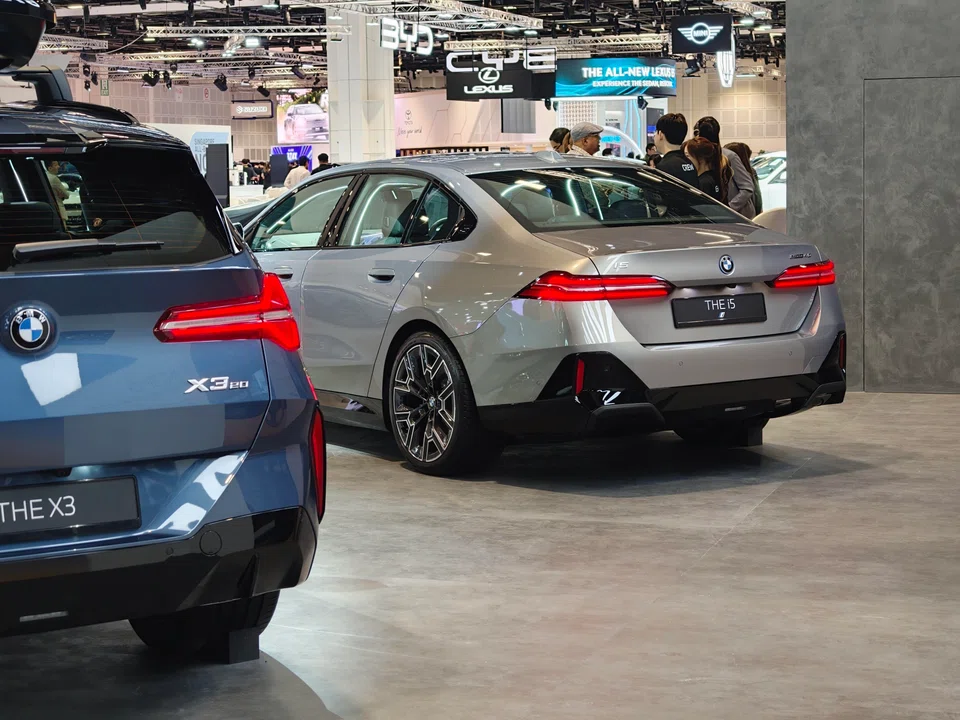
[SINGAPORE] The Certificate of Entitlement (COE) premium for mainstream cars is higher than that of the large-car category for the first time in almost six years, following recent changes in deregistration rebates for cars.
Industry observers attributed the results to the recent reduction in the Preferential Additional Registration Fee (Parf) rebates by 45 percentage points, as well as the new cap of S$30,000 on the rebates, down from S$60,000.
The change, effective for cars registered from Friday (Feb 20), means that car owners who deregister their vehicles before 10 years receive a reduced rebate for doing so.
Automotive consultant Say Kwee Neng said: “The government’s decision to significantly reduce the Parf rebate supercharged Chinese electric vehicles’ (EVs) dominance in Category A, while dampening enthusiasm for higher-priced cars in Category B.”
The Category A premium nudged upwards just 0.2 per cent or S$181 to S$106,501.
The Category A COE applies to mainstream cars with engines of up to 1,600 cubic centimetres (cc) in capacity or with up to 97 kilowatts (kW) of power, or for EVs with up to 110 kW of power.
Navigate Asia in
a new global order
Get the insights delivered to your inbox.
The Category B premium was down 5.3 per cent or S$5,889 at S$105,001. This category is for cars with engine capacity of more than 1,600 cc or with more than 97 kW of power, or for EVs with more than 110 kW.
Typically, Category B’s premium is higher than that of Category A because buyers of larger, more powerful cars have more spending power and are less sensitive to price increases.
The last time Category B posted a lower premium than Category A was in the second round of bidding in March 2020, just before the “circuit breaker” period, imposed to break the chain of infection during the Covid-19 pandemic.
SEE ALSO
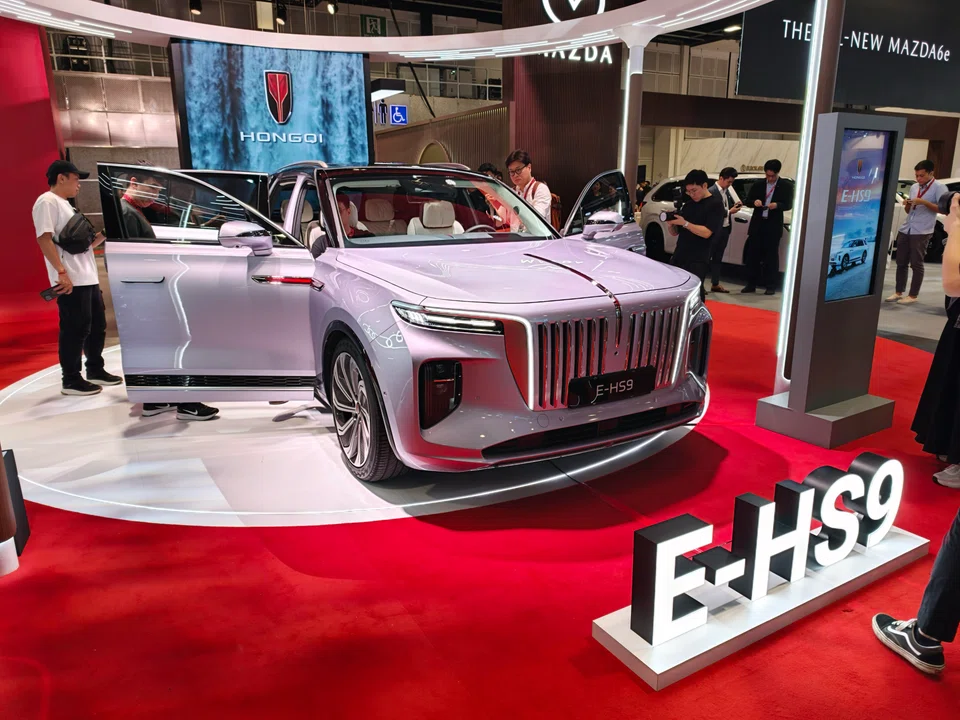
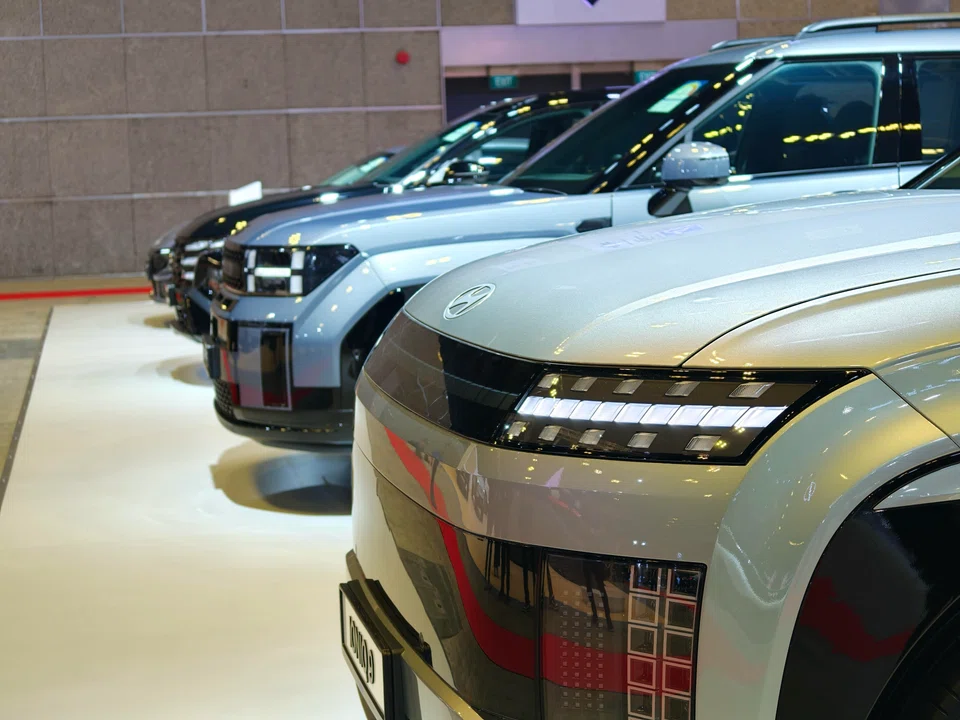
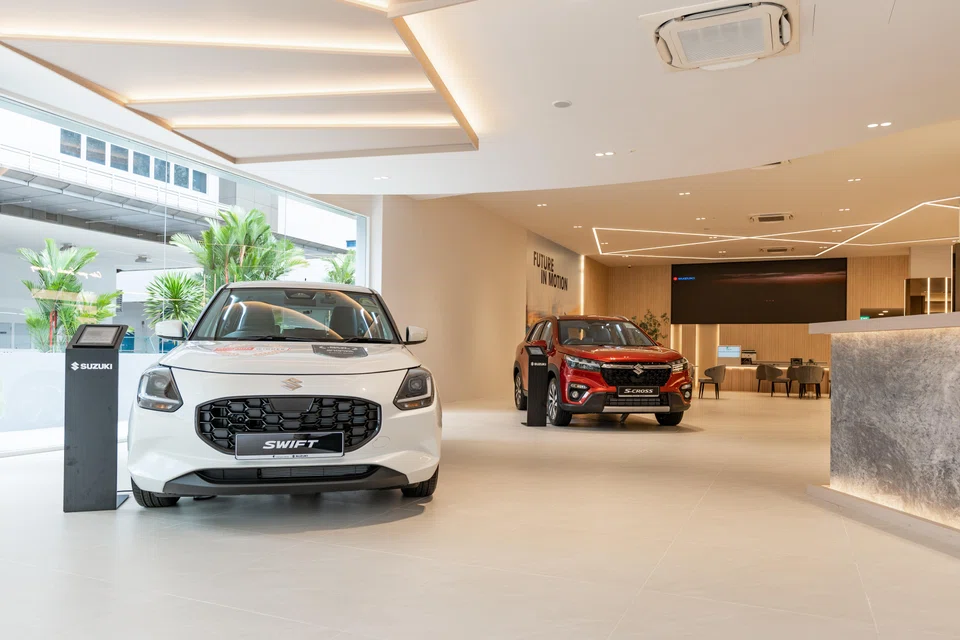
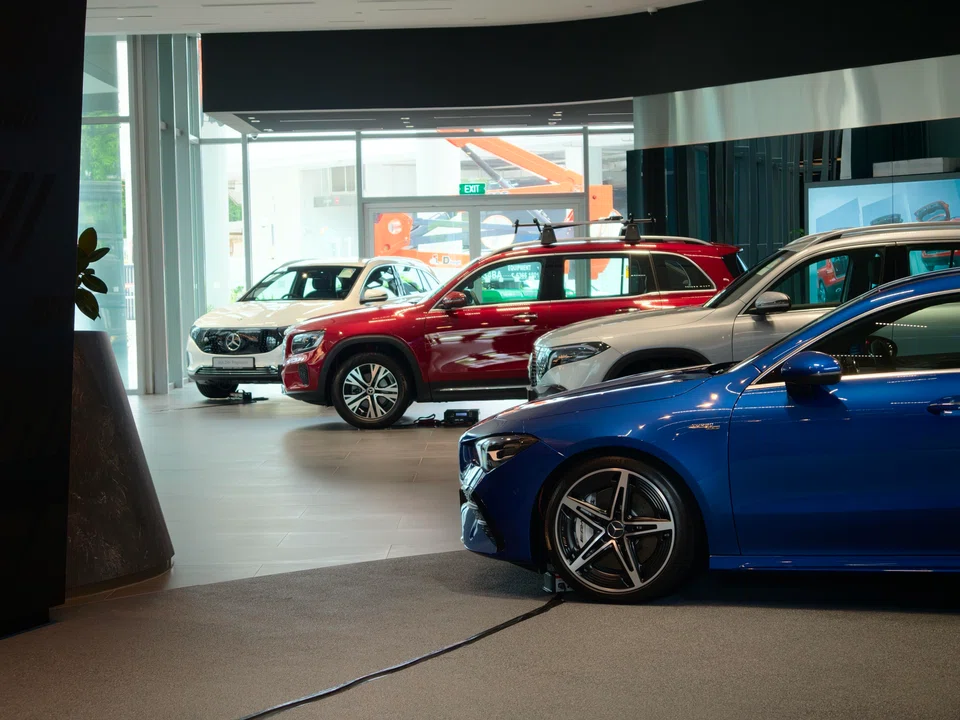
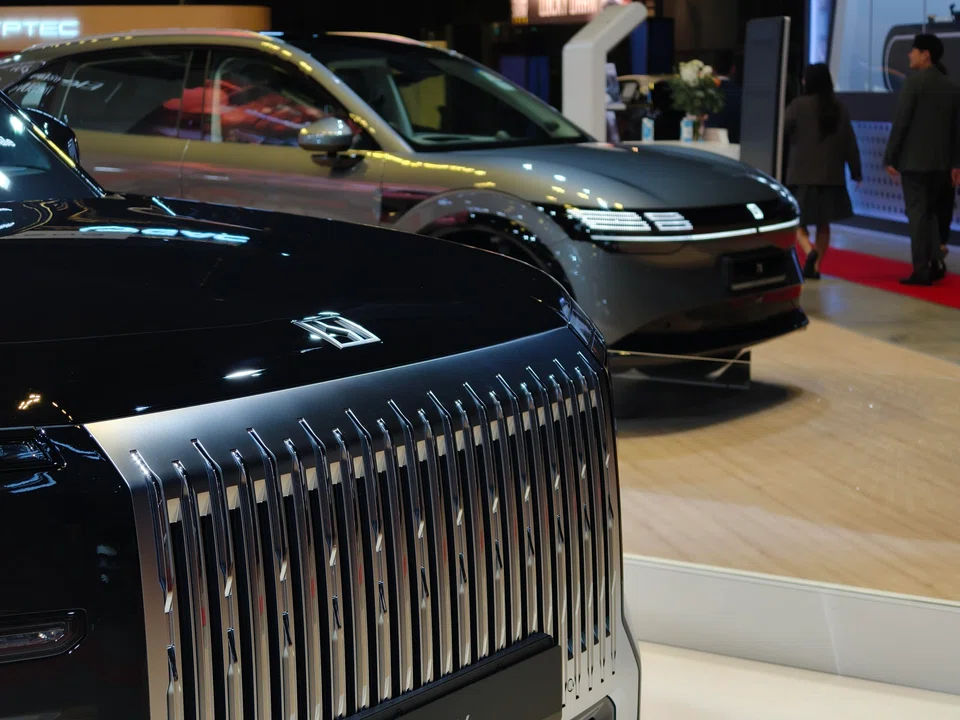
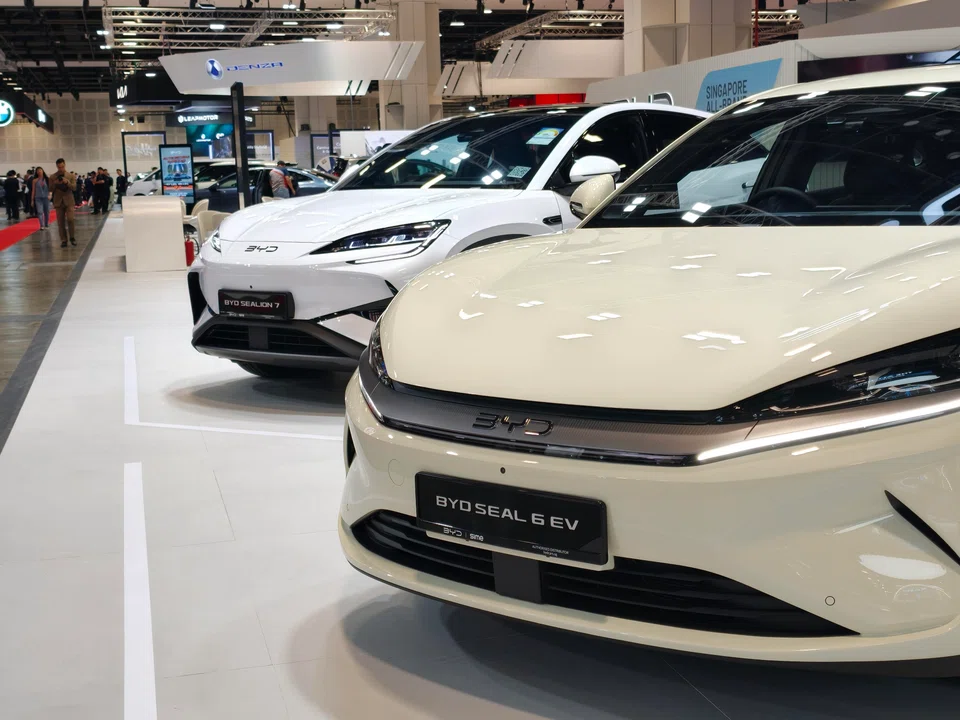
The commercial vehicle category, C, posted a 0.3 per cent or S$198 rise to S$74,999. The premium for Category D, used for motorcycles, fell 3.6 per cent, or S$300, to S$7,989.
Category E, the open category which can be used to register any type of motor vehicle except for motorcycles, decreased by 2.7 per cent or S$3,110 to S$112,890.
When A is bigger than B
When the Parf rule changes were announced on Feb 12, industry observers said that it might affect demand for larger, more powerful cars. But this may have been offset by the actions of dealers to preserve sales.
The size of the Parf rebate is directly tied to the amount of tax paid, which is dependent on the vehicle’s value. Thus, with a new cap of S$30,000, it is the more expensive, luxurious cars that are the most affected by the drop in rebates. This was why some observers expected weaker sales of such cars in this round.
Industry players that The Business Times queried said that there was a small number of cancellations for Category B orders, but not enough to affect demand massively, which meant that the premium did not drop significantly.
Instead, dealers may have offered additional discounts to buyers to deter cancellations and bid conservatively instead.
Ng Choon Wee, the commercial director for Hyundai distributor Komoco Motors, noted: “It looked like most were bidding cautiously in Category B this round. Some players may have discouraged (the) cancelling of orders with discounts to offset the loss of Parf value.”
Nicholas Wong, the chief executive officer of authorised Honda dealer Kah Motor, said that there may have been more bidding activity in this round than previously anticipated, which kept car premiums elevated.
“I don’t think sales slowed down overall. I believe some bidders may have been trying their luck to bid during what would otherwise have been a quiet Chinese New Year round, and some dealers also held over orders to bank on a possible drop in premiums,” he added.
In contrast, Category A held steady as it is underpinned by the demand for EV models. Because EV rebates – up to a maximum of S$30,000 – are deducted from tax paid, these vehicles have little to no Parf rebates.
Said Komoco’s Ng: “As before, Category A is still crowded with many competing models, especially EVs, and there are new entrants almost every month. Since they aren’t affected by the Parf rebate drop, the premium held.”
Strange days
But moving forward, it is anyone’s guess how premiums will play out, both in the near and long terms.
More than one observer characterised the results as mixed and out of the ordinary, which reflects market uncertainty about the future.
“Whenever a major change is implemented in the car industry, strange things happen,” noted Say, while Wong and Ng also termed this round’s results as “strange” and “weird”, respectively.
One example is Category E. It tracks Category B’s premium closely, as it is typically used to register vehicles that fall under Category B, since they are almost always the most expensive type of COE.
But Ng pointed out that the Category E premium of S$112,890 was significantly higher than that of both A and B, which could indicate industry expectations of premiums moving forward.
“Category E always supports Category B, so, logically, the support for a higher Category B premium is still there. It could mean that other players are planning to push for (more sales) soon,” he said.
“On the other hand, this round’s bidding circumstances are unique – a long holiday, short bidding period, and a short month. So who knows? It might go back to higher levels.”
Looking further ahead, industry players are similarly uncertain about how the changes will affect COE premiums.
The Parf rebate changes are expected to boost EV adoption further, since EVs not only have little Parf rebate value, but also benefit from larger upfront discounts because of incentives.
Yet, it could also lead to more owners holding on to their cars past the 10-year mark, especially if they are not convinced about EVs yet and choose petrol-electric hybrids, which are a “proven technology”, said Wong.
“If (a consumer) didn’t buy an EV, for whatever reason, and realises (the car) has no deregistration value (as it gets close to) 10 years, he may just renew the COE and hold on to his hybrid longer,” he added, saying that there was still much uncertainty regarding the effects.
“Dealers and consumers are still trying to feel their way around. The market is coming to terms with the changes. In some ways, we won’t know the true effects until 10 years later.”
Decoding Asia newsletter: your guide to navigating Asia in a new global order. Sign up here to get Decoding Asia newsletter. Delivered to your inbox. Free.
Copyright SPH Media. All rights reserved.

