Consumers shop more ‘consciously’ this festive season amid inflation, GST fears: businesses
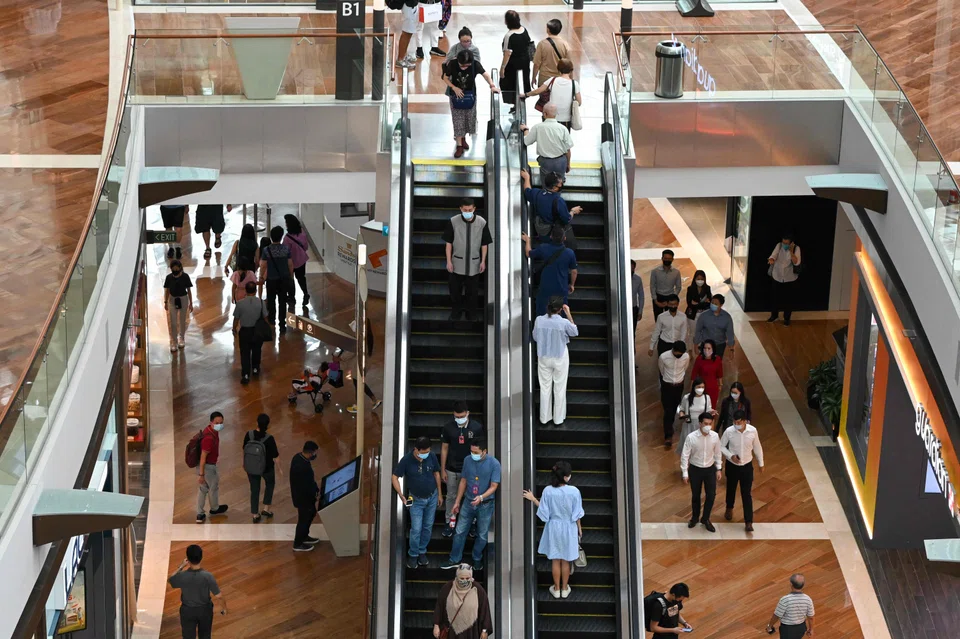
WITH high inflation and the impending goods and services tax (GST) hike, shoppers in Singapore have been more value-conscious this festive season, companies told The Business Times. Some are more sensitive to price, while others are willing to pay a higher price for longer-lasting products.
With the rising cost of living, customers want more “bang for their buck” as they have to buy more items for a variety of occasions, said Kara Bensley-Austin, founder of fashion and lifestyle boutique The Wyld Shop. “Because there are no restrictions this year, the parties and gatherings have ramped up again so there’s more reason to purchase new outfits and gifts for friends and family.”
In November, headline inflation was 6.7 per cent and core inflation was 5.1 per cent, with the latter forecast to stay elevated in the coming months before slowing in the second half of 2023. On Jan 1, the GST will rise one percentage point to 8 per cent, adding further inflationary pressure.
Though consumer spending has broadly recovered to pre-pandemic levels in the Asia-Pacific, consumers are responding to higher inflation by “trading down” to brands and stores where they can be more frugal, said David Mann, Mastercard’s chief economist for Asia-Pacific, Middle East, and Africa.
In a YouGov survey of Singapore residents this month, about a third of respondents said that the rising cost of living meant they would spend less on Christmas this year than they usually would. Two in five intended to cut back spending on presents.
Rebecca Metcalfe, founder and creative director of fashion retailer She Creates Stories, has noticed fewer customers buying higher-priced brands this year, and more using offers and promotions.
“There is a feeling of nervousness among everyone in Singapore at the moment with the rises in rental prices, inflation, (and) the increase in GST,” Metcalfe said. “It’s affected people’s confidence in spending money, for sure.”
At department store BHG, sales are almost back to pre-Covid levels as people are out and about, and stocking up before the GST hike – yet shoppers remain cautious, said head of operations Tarquin Yue. “Customers have definitely been more selective in their spending with inflation, and are very resourceful in finding the best deals from online and stores.”
Festive demand has been higher than previous years for jewellery brand Made Different Co, but shoppers are more careful and look out for sales to weigh their options before making purchases, said co-founder Shirley Tan.
Getting value for money
Retailers agreed that customers are after value-for-money purchases – whether these are more affordable, suitable for frequent use, or pricier but longer-lasting.
Trixie Khong, founder and chief executive officer (CEO) of jewellery retailer By Invite Only, has seen a trend towards “versatile designs” that tend to be less expensive than statement pieces. This is also because buyers can get more use out of versatile pieces, she added.
This Christmas, customers of sustainable fashion brand Little Match Girl have been buying clothes they can wear daily, instead of only during the festive season, said founder Angis Tiew.
Jewellery brand SSFW has also seen shoppers going for affordable quality rather than quantity.
But some are willing to pay more for timelessness. Said Khong: “We’re seeing an uptick of our solid gold premium collection for gifts this Christmas. This collection has a higher price point but it is something that they can wear for decades to come.”
Astou Montfort, founder and CEO of sustainable fashion brand As’fall, agreed that despite inflation, customers are not after the cheapest products, and are willing to pay for better quality. “(Our customers) buy less, but they buy really well,” she said. “If they buy a dress and take care of it, they can keep the same dress for 10 years.”
At lifestyle brand Iuiga, customers are making “less frivolous” purchases, said chief growth officer Jaslyn Chan. “I do expect this change to spillover (into future festive periods) as logical spending becomes more relevant given the current financial climate,” she added.
Bensley-Austin similarly expects the trend to stay, and will hence hunt for more affordable quality items for the festive period next year.
But Metcalfe is hopeful that people will spend more once the “cost of living crisis” in Singapore settles down. “This will alleviate a lot of stress on people’s wallets and open them up to buying items for themselves again.”
The next festive season to watch is Chinese New Year, which will occur barely a month after Christmas.
At hamper business Noel Gifts, 50 per cent of customers this Christmas bought similar or higher-priced hampers compared to last year, said marketing services senior executive Abigail Tan.
One reason might be a willingness to spend more to create a good impression with their first gift after a two-year pandemic hiatus, she said. But customers might also be combining their budgets for Christmas and Chinese New Year gifts, she added, as the two events are particularly close together this time.