

DBS hits fintech firms with large fee hikes for custodian service
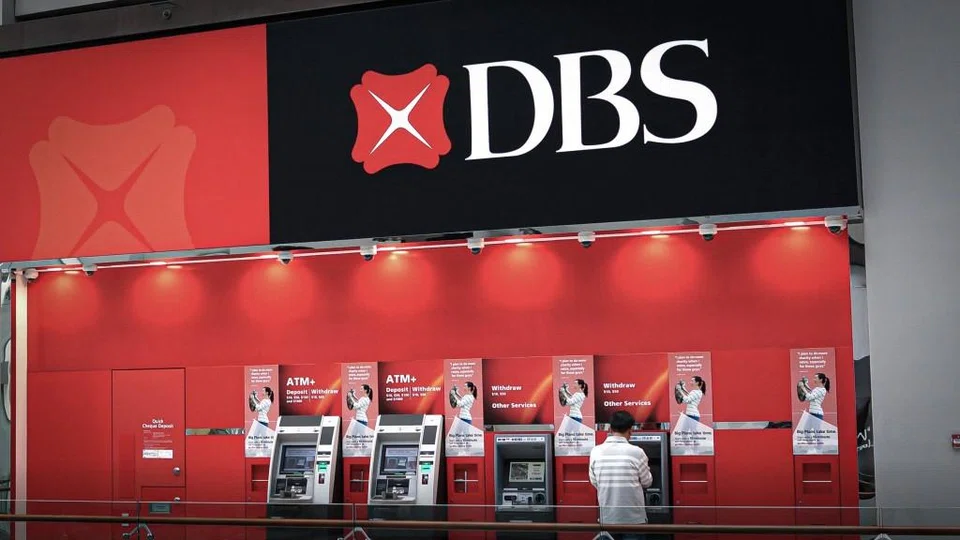
DBS will increase the fees it charges fintech firms to hold customer funds under its custodian services, a move that means higher costs for fintech companies operating payment services in Singapore.
The fee adjustment, which will take effect in April, applies to a product called virtual accounts.
Under Singapore’s Payments Services Act, major payment institutions or payment service providers that handle customer funds must hold those funds in segregated bank accounts for safeguarding.
Firms that deal with a large amount of incoming funds or receive payments from many parties may assign unique virtual account numbers to each customer.
Now, firms pay DBS a flat annual fee ranging from between four digits to around S$10,000 for the service. The fee includes the use of an unlimited number of dynamic virtual accounts.
From April onwards, these businesses will be charged S$1 per month per customer account, according to one industry source. As a result, firms serving more users – and therefore require more virtual customer accounts – have to cover higher fees.
A firm requiring 10,000 customer accounts, for instance, will now be forking out S$10,000 a month, or S$120,000 a year.
Affected companies were notified about the change in October. Some firms have ceased to offer certain services and offboarded customers to manage the growing costs, Tech in Asia understands.
According to sources, DBS explained to affected customers that the price increase was due to the rising costs of maintaining the accounts, performing know-your-customer (KYC) and anti-money laundering (AML) checks, as well as transaction monitoring.
Previously, payments firms could ascribe unique virtual account numbers to individual customers themselves (dynamic accounts).
Starting April, DBS will take over the creation of individual virtual customer accounts (static accounts).
The migration of “some fintech platforms from dynamic to static virtual accounts that embed additional controls and screening of end customers and corporates” is one of several steps the bank is taking to improve consumer protection, a DBS spokesperson tells Tech in Asia.
“As fintech adoption grows, some fund flows via these virtual accounts have become more complex. This presents a growing risk of scams and fraud which needs to be better risk managed,” the person adds.
It’s unclear how many firms are affected by the changes, though Tech in Asia understands that at least two firms will face higher fees as a result.
“As we seek to balance risk and pricing, any pricing changes reflect the costs of additional risk controls and processes and may vary from client to client,” the DBS spokesperson says. They add that the bank is supporting clients on their migration from dynamic to static virtual accounts.
Following suit
An industry player, who spoke on the condition of anonymity, notes how the fee increase moves Singapore “away from international standards rather than towards them.”
The move also raises a barrier on local and foreign fintech firms looking to scale in Singapore, which touts itself as a financial hub. It’s unclear if other banks will follow suit and raise prices.
Asked if OCBC has plans to raise fees on virtual accounts, a bank spokesperson says its virtual account fees vary depending on factors such as transaction volumes and the degree of customisation needed.
Tech in Asia reached out to UOB for comment but did not receive a response by press time.
At US$0.79 per customer account, DBS’ revised fees are several times higher than what banks in other countries such as the UK, the European Union or Indonesia are charging for equivalent services, according to the industry player.
The Monetary Authority of Singapore (MAS) has been stepping up KYC and AML efforts. In 2024, Singapore announced a national AML strategy outlining steps to combat money laundering amid “rapidly changing risks and criminal typologies.”
However, a spokesperson from the central bank said that fees charged are commercial decisions made by banks.
“MAS has not recently issued new regulatory changes to impose more stringent KYC, AML, and transaction monitoring controls on entities using banks’ custodian services,” the spokesperson said. TECH IN ASIA
TRENDING NOW

Philippine power giant First Gen rebuffs foreign offers, plans up to US$2.6 billion in expansion

Cliff Tan has 7 million followers and a 4-month waitlist. Why won’t he expand his business?

Could stablecoins be the future of money?

From finance aspirant to Asean CEO: TUV SUD’s Jonas Strahberger on finding people who believe in you

