Despite offers to go West, Ya Kun Kaya Toast would rather deepen roots in South-east Asia
In Singapore, the kaya toast chain is focusing on innovation and collaboration
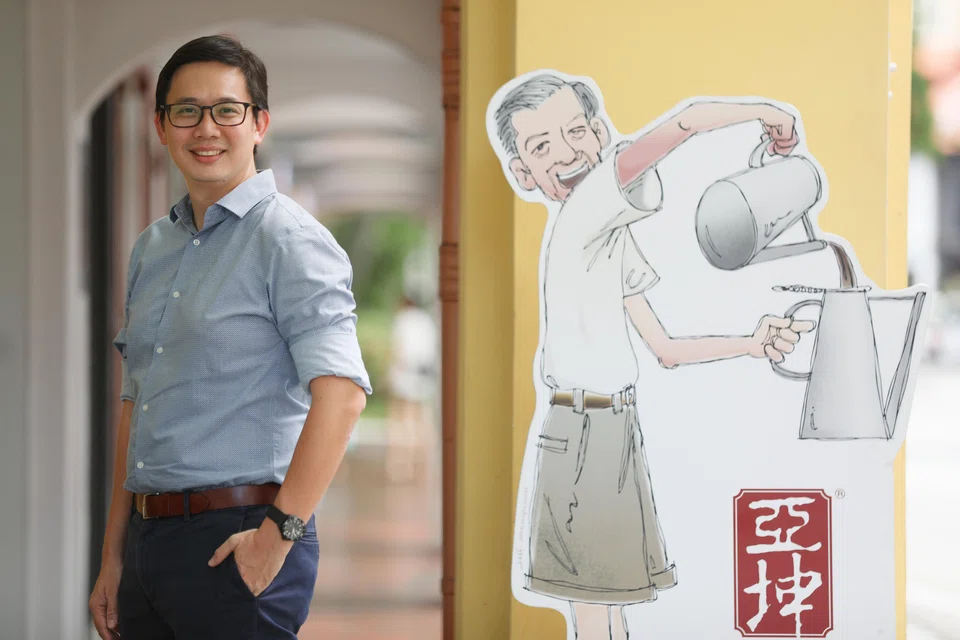
[SINGAPORE] Heritage brand Ya Kun Kaya Toast has received many requests to bring its quintessential Singaporean breakfasts to the West, but would rather focus on sinking deeper roots in South-east Asia.
Founded in the 1940s by Loi Ah Koon, Ya Kun International is now led by the founder’s sons Adrin and Algie.
In recent years, Singaporeans who migrated to the United States, Europe, and Australia have approached Ya Kun about franchising, said Jesher Loi, Adrin’s son and part of the third-generation leadership.
But opening one or two shops in such far-flung markets would be extremely tough to sustain as a business model, said Loi, the company’s director of branding and market development.
“There’s really no economies of scale. The way we build the brand has to be long term.”
Other obstacles are posed by differences in commercial premises and consumer palates, he added. For instance, Europe and Australia have many shophouses rather than shopping malls, but Ya Kun’s expertise is in malls.
Varying tastes, meanwhile, might account for one abortive overseas foray. In 2015, Ya Kun opened a franchise outlet in Dubai – but it did not do well.
“I feel like they couldn’t really adapt to our coffee profile,” said Loi. “Their coffee is clear coffee, but ours has condensed milk.”
And while Ya Kun was positioned as a breakfast eatery, people there generally started their day later, he added.
The venture closed three years later, but Loi considers it “a really good learning experience” that has led to their current focus on the Asean region instead.
An everyday choice
“South-east Asia has a very high receptivity to our taste palate and the concept of coconut as a jam,” said Loi, referring to the chain’s signature kaya spread.
In addition to 80 stores in Singapore, Ya Kun has 68 franchise outlets in eight overseas markets: Cambodia, Indonesia, Japan, Macau, Malaysia, Myanmar, the Philippines, and Thailand. The overseas outlets account for about 10 per cent of revenue.
Its newest markets are Macau and the Philippines. For the latter, the company brought over three months’ worth of kaya stocks when opening its Manila outlet – but this was wiped out in three weeks.
When the outlet opened, Filipinos residing in Singapore tagged their Manila-based friends on social media platforms such as Facebook, encouraging them to give Ya Kun a try, recalled Loi.
With the “overwhelming” response, the company had to scramble to get another batch of kaya over. A second outlet in Manila was opened in December 2024.
Despite the warm welcome, Loi observed that Ya Kun is still a “destination” dining spot for Filipino customers. He hopes that eating kaya toast will instead become a more regular habit, “part of your monthly routine, your weekly routine” in overseas markets.
To do this, opening multiple outlets is key, he added. “You can do a lot of community building when you have a scale of outlets.”
That also informs their expansion approach. Instead of planting single outlets in many countries, Loi hopes to expand on the current network in South-east Asia. “We want to deepen the roots that we’ve already established.”
Local efforts
While strengthening roots in Singapore’s neighbours, Ya Kun is also improving production and presence back home.
In 2023, Ya Kun fully automated the packaging and bottling processes in its local kaya manufacturing facility, to ramp up the production of kaya jars for retail sale both locally and overseas.
For customers, Ya Kun launched a mobile app in 2018, with an “order ahead” feature added in 2021. This allows customers to place orders before reaching their outlet of choice.
This feature is currently available for 20 per cent of Ya Kun outlets in Singapore, with this figure set to rise to 50 per cent by the end of 2025.
Besides internal improvements, the company has been collaborating with other brands.
Last May, Ya Kun launched kiosk chain Maru Mochi in a joint venture with a chef from Japanese dessert chain Maruamami, who specialises in obanyaki – Japanese pancakes filled with sweet bean paste.
Ya Kun has had previous experience in working with Japanese companies, having managed the Singapore franchise of cream puff brand Beard Papa from 2014 to 2024.
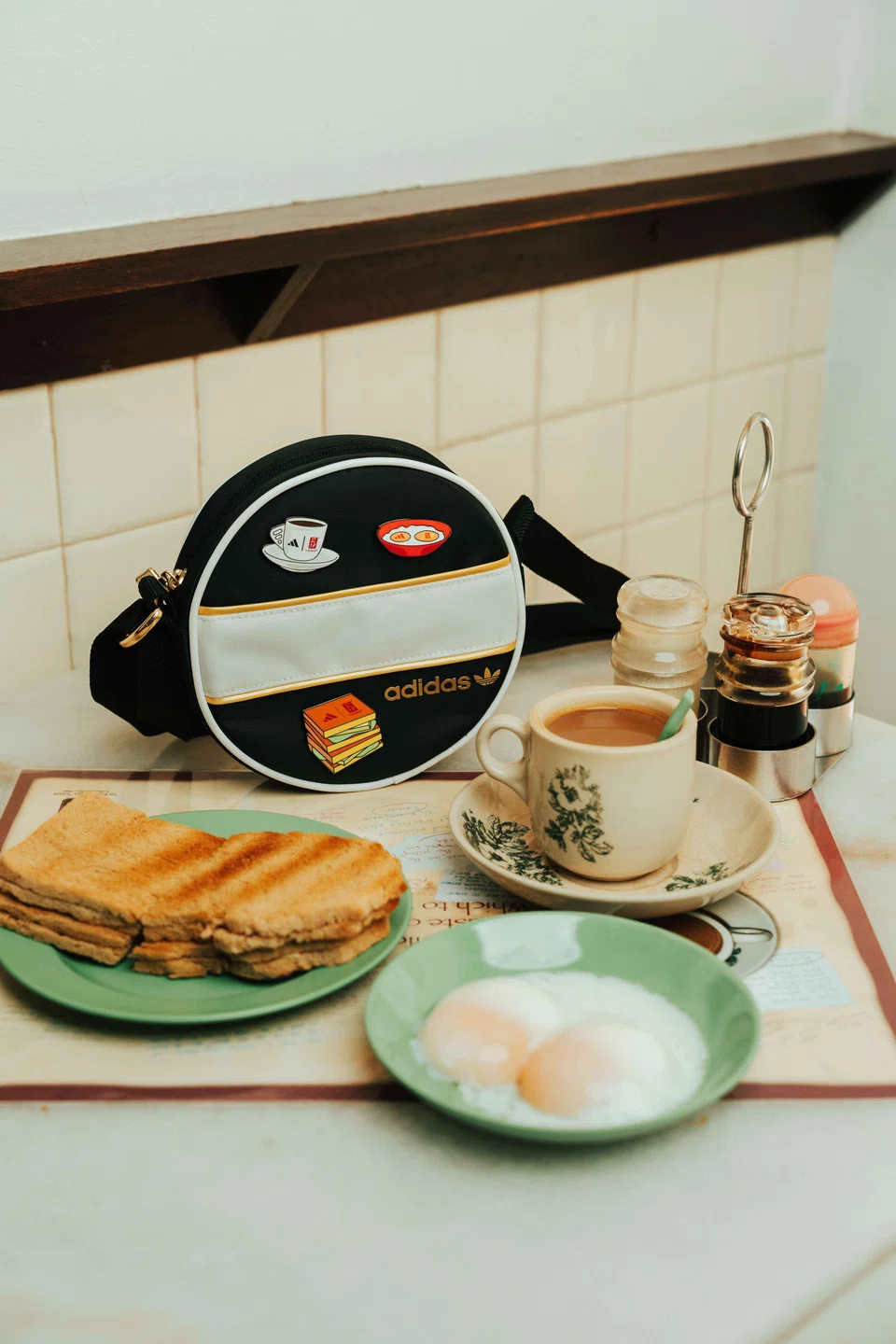
Other collaborations go beyond the food and beverage scene. In 2024, Ya Kun partnered Samsung to launch an accessory collection, followed by a tie-up with Adidas to produce apparel for Singapore’s 59th National Day.
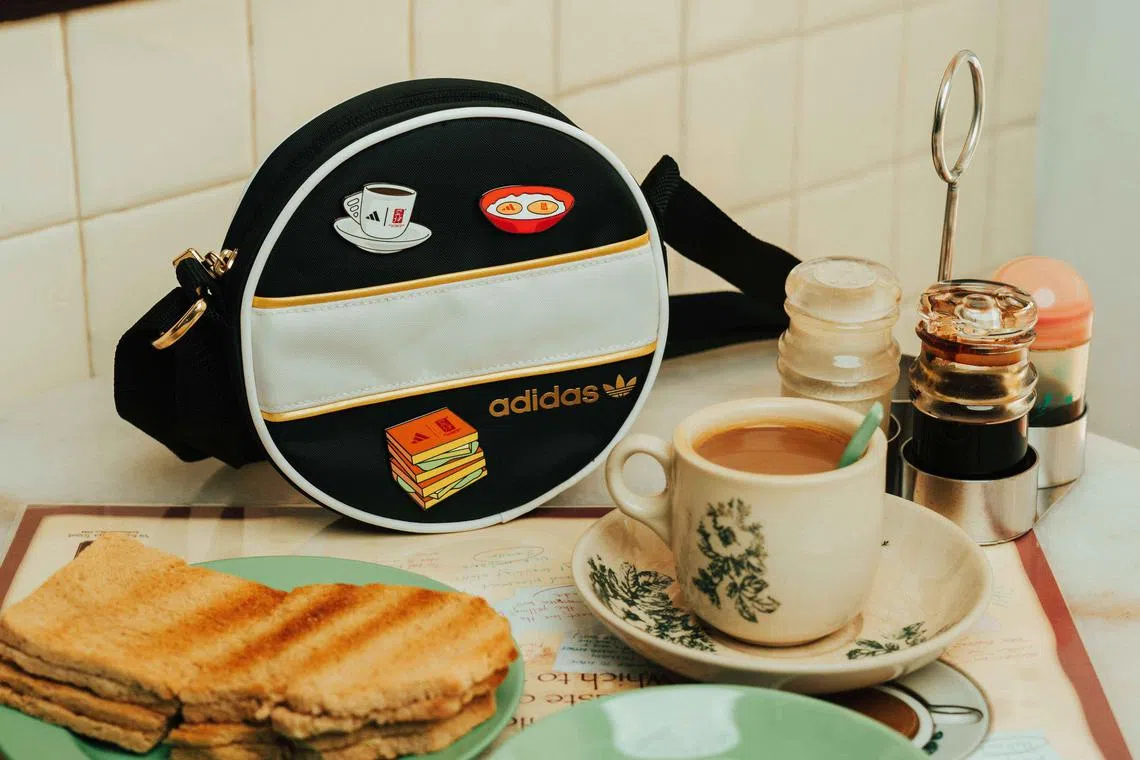
For this year’s SG60 celebrations, Ya Kun has similarly been approached by lifestyle and aesthetics brands for potential tie-ups, but these are still in early stages of discussion, said Loi.
Even if such collaborations might not directly translate to more Ya Kun coffee being consumed, they are part of the heritage brand’s efforts to stay trendy, he added.
Yet, staying trendy does not mean chasing fads, such as going into coconut-based beverages or bubble tea. Said Loi: “Rather than morph ourselves to meet trends, we should actually stay our course, because we offer consumers or the Singapore market a unique niche.”
“And so rather than confuse that niche, we just stay the course. When trends go up and down and in and out, (consumers) still come back to Ya Kun when they’re done.”