

12th monkeypox case detected in Singapore
 Add BT as a preferred source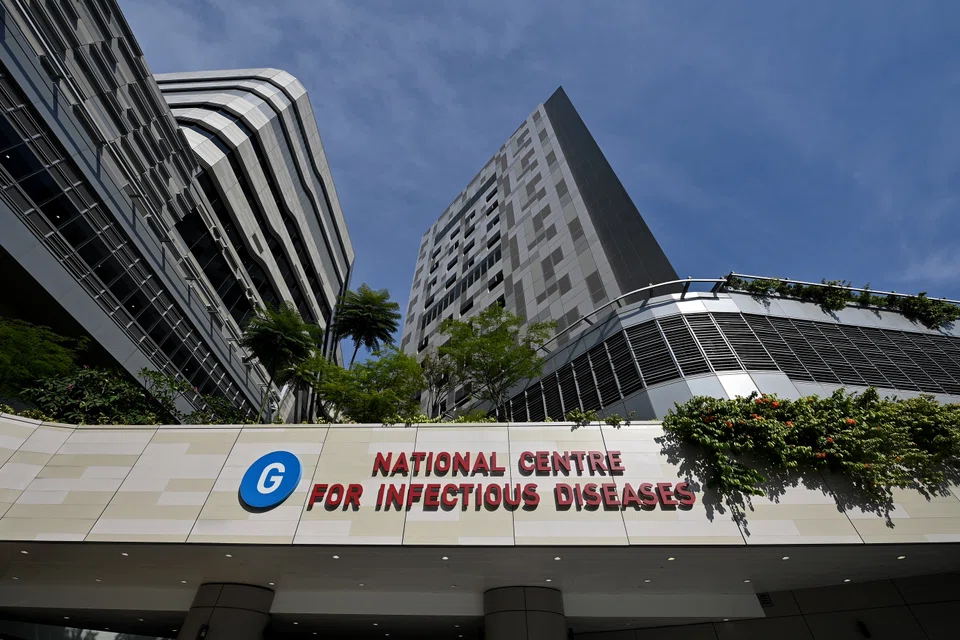
A 12th monkeypox case was detected in Singapore on Monday (Aug 1).
The man, 59, is a local unlinked case with no recent travel history, said the Ministry of Health on its website on Tuesday (Aug 2) evening.
He is the seventh local unlinked case.
The remaining five cases are imported ones with recent travel history to Canada, the United Kingdom, United States, Germany and Australia.
He is the first case detected in Singapore since last Wednesday when a 32-year-old man was found to have contracted the virus.
The latest case follows an MOH announcement on Monday that all monkeypox patients who are deemed clinically stable from Monday will be transferred to a dedicated monkeypox isolation facility.
The quarantine period for close contacts will now be cut to 14 days, followed by seven days of monitoring for symptoms via phone calls.
Previously, the quarantine period was up to 21 days.
The Straits Times has contacted MOH for details on the location of the facility and whether it was converted from a Covid-19 community recovery facility.

The current outbreak of the viral disease emerged in May, and has infected more than 18,000 people in 78 countries, said the World Health Organisation last Wednesday.
Nine people who contracted the virus in Africa, India, Brazil and Spain have died.
Some of the symptoms linked to the monkeypox virus include fever, headache, muscle pain, swollen lymph nodes, chills, lethargy and skin rash. THE STRAITS TIMES
Decoding Asia newsletter: your guide to navigating Asia in a new global order. Sign up here to get Decoding Asia newsletter. Delivered to your inbox. Free.
Share with us your feedback on BT's products and services
TRENDING NOW

‘I felt like dying’: Thai Singha beer scion speaks up after disclosure of alleged sexual abuse
CSE Global independent director quits after clashes with chairman Eugene Lai over board refresh
Tiger Beer lines up new products as Singapore operations’ role shifts from brewing to innovation
Single founders, billion-dollar valuations: AI is minting unicorn startups at birth

