Energy transition could rock Singapore’s star energy & chemicals sector

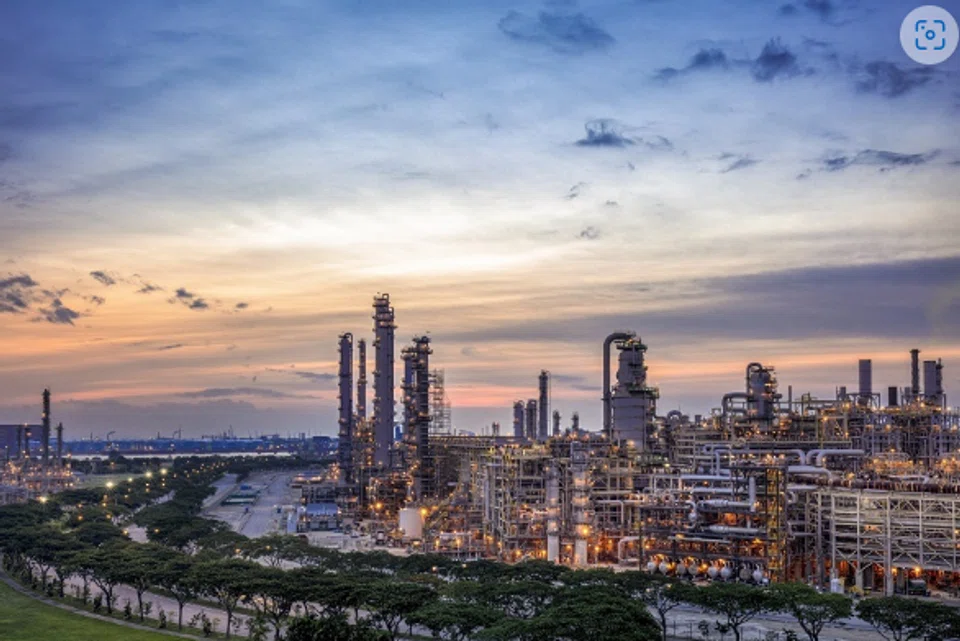
SINGAPORE’s hard-fought status as one of the world’s top energy and chemicals (E&C) hubs could be in for a shakedown, as multinationals adjust their ambitions in traditional fuels and work on an energy transition.
Experts say that journey could take at least two decades, however, and oil and gas will play an important role in the global energy mix through 2050.
“The traditional energy sources – such as oil and gas or hydrocarbons – are not going away any time soon,” said Sanjeev Gupta, EY’s Asia-Pacific oil & gas leader.
Singapore is the fifth-largest refinery export hub in the world and the eighth-largest chemical exporter by volume. Energy and chemicals contributed 3 per cent to the nation’s GDP in 2020 and accounted for 20 per cent of its total output.
More than 150 energy, petrochemical and chemicals companies, including ExxonMobil, Shell and Chevron, have anchored key activities on Singapore’s petchem hub Jurong Island.
“This network of companies facilitates collaboration and deal-making among counterparties. This network effect is difficult to replicate in another place,” said Enterprise Singapore (Enterprise SG) assistant chief executive for trade and connectivity Lee Pak Sing.
He added: “We expect these companies to build on their presence in Singapore even as they adapt to the energy transition.”
Indeed, Brent Vasconcellos, Deloitte South-east Asia’s energy, resources & industrials industry leader, said traditional fossil fuel producers are taking a “balanced and measured approach towards their asset portfolios”.
Singapore’s position as an oil hub for the region is therefore “not going to change”, said Paul Everingham, chief executive of Asia Natural Gas & Energy Association (ANGEA).
“The volumes might go down over time; although I’m not seeing any evidence of the use of oil going down in the world. I’m seeing the opposite; and the same with coal,” he added.
A growing global population and prosperity are keeping demand prospects rosy for fossil fuels.
Singapore Economic Development Board (EDB) executive vice president Damian Chan said demand for fuels is expected to continue rising in developing markets such as South-east Asia till 2050.
Also, the low-carbon economy will continue to need chemicals – for solar panels, wind turbine blades, building insulation and electric vehicle parts – Chan added.
Some parts of Singapore’s economy will be challenged, though.
“Transition to cleaner fuels will... adversely impact Singapore exports of high-sulfur fuel oil and diesel,” said BMI’s senior oil and gas analyst San Naing.
European oil giant Shell said recently it is reviewing its energy and chemical assets in Singapore with the view to repurpose, sell or decommission them. ExxonMobil in 2021 announced it was cutting some of its Singapore workforce, even as many other oil majors were doing the same around the world.
For Singapore to stay on top of its game, EDB’s Chan said the agency is actively engaging with energy and chemicals companies on energy transition projects and opportunities. These cover areas such as the development of emerging low-carbon technologies; carbon capture, utilisation and storage; and low-carbon hydrogen.
There are plenty of opportunities, as companies shrink portfolios in some spaces while expanding them in others.
ExxonMobil, for one, is assessing projects to help meet the demand for sustainable solutions: “We have developed and will update our emission-reduction roadmaps for our operated assets around the world, including our Singapore complex,” a company spokesperson said.
Singapore is also working with clean energy players to build a clean energy ecosystem and hub for the region. More than 100 clean energy companies are based in Singapore, EDB’s Chan said.
At the same time, the country has to contend with rising competition from its neighbours.
“There are lower-cost economies in the region now, such as Indonesia, Thailand and Vietnam. Even though Singapore is economically and financially more advanced, (those countries) have a lower cost and wage base. That will be something Singapore needs to keep a close eye on,” said ANGEA’s Everingham.
According to BMI’s Naing, Singapore refiners risk losing fuel exports to markets such as Malaysia, Indonesia and Vietnam, which have become relatively self-sufficient following refining capacity expansions and renewables production.
He also expects Singapore’s energy sector to face competition from South Korea, India and China, which are aggressively competing for share in key oil import markets namely Australia, New Zealand, Philippines, Vietnam, Laos, Cambodia, Pakistan, Bangladesh and Myanmar.
As large power markets such as India and Australia ramp up efforts to be key green hydrogen producers, Singapore can leverage its position to boost the hydrogen trade, both as a certifier and storage area, said BMI’s power & renewables analyst David Thoo.
He added: “Expertise in the fossil fuel industry can also be transferrable to the hydrogen industry.”
Already, Jurong Island is being transformed into a “sustainable energy and chemicals park”. The plan is to quadruple its output of sustainable products from 2019 levels and achieve more than six million tonnes of carbon abatement per annum from low-carbon solutions by 2050.
EnterpriseSG’s Lee said: “We expect more global energy majors and trading companies to diversify into the trade of hydrogen and other sustainable and renewable fuels from Singapore in the longer term. Besides trading of biofuel and hydrogen, trading of carbon credits would also be an opportunity.”
There are more than 100 companies involved in carbon services and trading in Singapore, including energy players such as Chevron and Trafigura.
LNG, a “transition fuel”, is another sweet spot. Singapore is a leading LNG trading and bunkering hub in Asia, with 60 LNG traders operating here – including the world’s top 10 global energy traders.
“It’s probably going to be the growing fuel source for Asia,” said ANGEA’s Everingham.
Deloitte’s Vasconcellos said the biggest risk to Singapore’s energy sector would be to “take a one-sided approach”.
He added: “Its biggest opportunity is to become a regional and potential global leader and incubator for innovation and the development of low-carbon technology.”