Fuel supply stable, but government keeping watch on need to intervene amid price hikes: Jeffrey Siow
Rising fuel prices impact transport; airlines raise ticket prices, operators offer subsidies
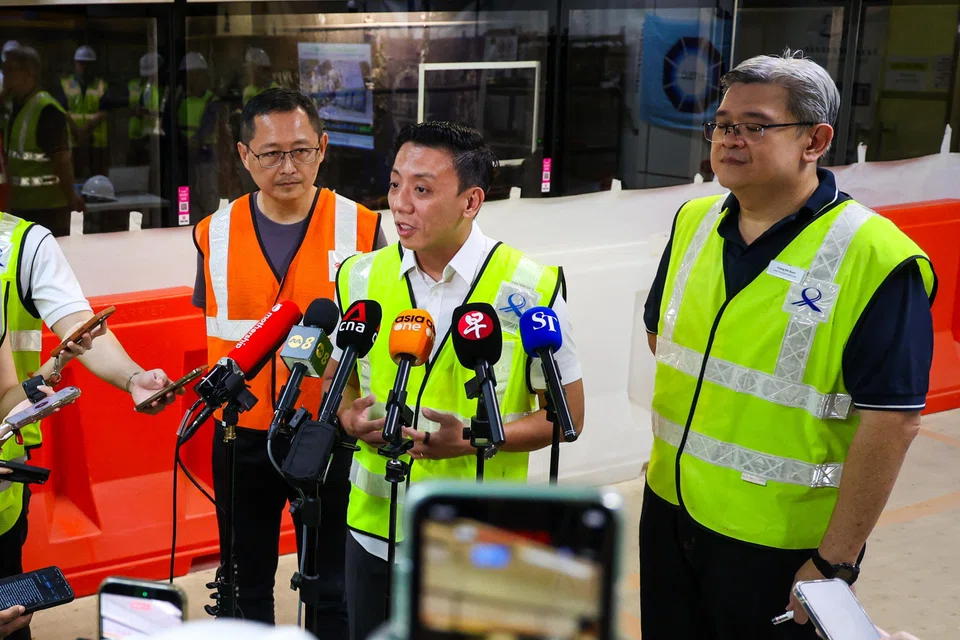
[SINGAPORE] The fuel supply situation in Singapore is stable for the time being and stockpiles are not being eroded, said Acting Transport Minister Jeffrey Siow on Thursday (Mar 26).
But rising fuel prices have had an impact on transport services. The government is keeping a close watch on the situation to assess if there is a need for it to intervene “at a later juncture”, Siow said.
He was responding to a question from The Straits Times at an interview at Dakota MRT station on his current assessment of the impact of the Middle East conflict on the transport sector here and the support the government has planned.
Siow, who is also senior minister of state for finance, noted that the government is working to make sure that Singapore’s fuel supply is stable.
“Currently, the fuel market is liquid. Our stockpiles are also not being eroded, and our supply lines remain open,” he said.
Adding that the overall situation is stable, Siow said the authorities will still have to monitor the situation every day to ensure that “everything remains okay”.
On the issue of rising fuel prices, Siow said some of the impact has been accommodated by market adjustments – for example, airlines have raised ticket prices and platform operators have offered their drivers and delivery workers fuel subsidies.
“We are watching it very closely to see whether there’s a need for us – meaning the government – to make an intervention later,” he said. “We will continue to monitor the situation and consider doing so at a later juncture.”
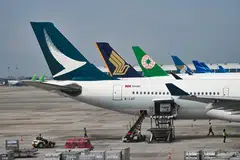
Consumers across land, air and sea transport are feeling the pinch from the surge in fuel prices caused by the Iran conflict, with fuel surcharges being raised or imposed by some airlines and most ferry operators here.
SEE ALSO
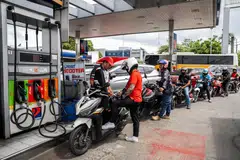
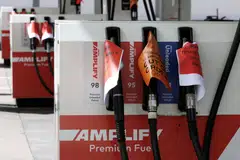

Motorists are also paying more at the pump. Price comparison platform PriceKaki showed that 95-octane petrol costs S$3.47 per litre at Caltex, Esso and Sinopec as at Mar 26.
Shell charges S$3.42 per litre, while SPC charges S$3.46 per litre. Cnergy charges the least, at S$2.48 per litre. The same grade of petrol used to cost S$2.88 a litre at most petrol stations before the US and Israel first struck Iran on Feb 28.
Since then, the Strait of Hormuz – which connects the Persian Gulf with the wider world and handles about a quarter of the world’s seaborne oil trade – has been largely blocked. THE STRAITS TIMES
Decoding Asia newsletter: your guide to navigating Asia in a new global order. Sign up here to get Decoding Asia newsletter. Delivered to your inbox. Free.
Share with us your feedback on BT's products and services