Orchard Road business group aims for energy and water efficiency, less waste

Paige Lim
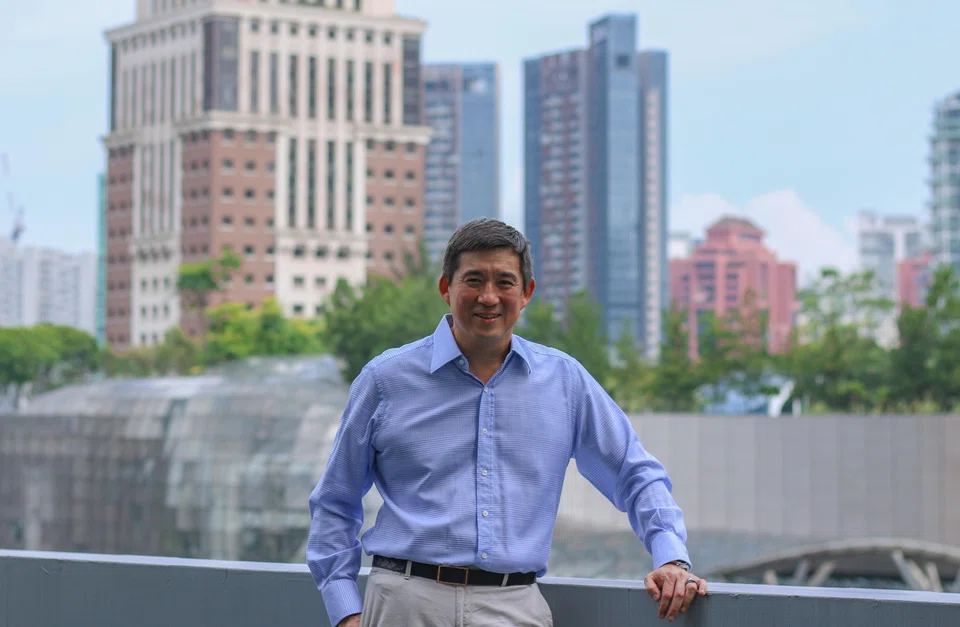
ORCHARD Road aims to cut waste and use less energy and water, in its bid to become a “sustainable lifestyle precinct”, said Mark Shaw, chairman of the Orchard Road Business Association (Orba).
“It’s important moving forward – and especially as energy, water and food costs go up – that we look into how we can conserve resources,” he said in an interview with The Business Times.
Established in 1998, the association represents the interests of businesses along Orchard Road.
Earlier this month, Orba held its first environmental, social and governance (ESG) forum to get feedback on a proposed sustainability road map for the precinct, and aims to finalise the plan by year’s end. Most of the approximately 110 attendees were Orba members such as retailers, hoteliers and landlords.
The proposed road map, based on a sustainability study by Orba and consultancy Paia Consulting and supported by the Singapore Tourism Board (STB), identified energy, water and waste management as the top issues for the precinct.
The next step is to collect energy, water and waste-related data from Orba’s members, said Shaw, who has headed the association since 2015. “The ESG forum was an encouraging start, but we need to crystallise where we are and where we need to be. We don’t quite have the data (to do so) yet.”
The road map’s proposals include several infrastructure-related targets to be achieved by 2028. Hotels in the precinct should meet Global Sustainable Tourism Council standards; all buildings should be Green Mark-certified; and 80 per cent of new buildings should be certified as Super Low Energy buildings.
But in going green, “the bottom line is always a challenge”, Shaw said.
For instance, landlords that upgrade their air-conditioning for energy efficiency may have to pass the cost on to tenants. “At the end of the day, if your cost increase to your tenants’ rent for being green is small, then nobody will mind. But if it’s a huge cost, and you pass it on, you might lose tenants.”
Bureaucracy is another issue, even for smaller ideas.
Orba and STB are exploring the installation of water points along the shopping belt, to encourage consumers to use refillable bottles. This is tricky as it involves not just infrastructure works, but also “governance issues” over the land, which could be managed by different agencies, said Shaw.
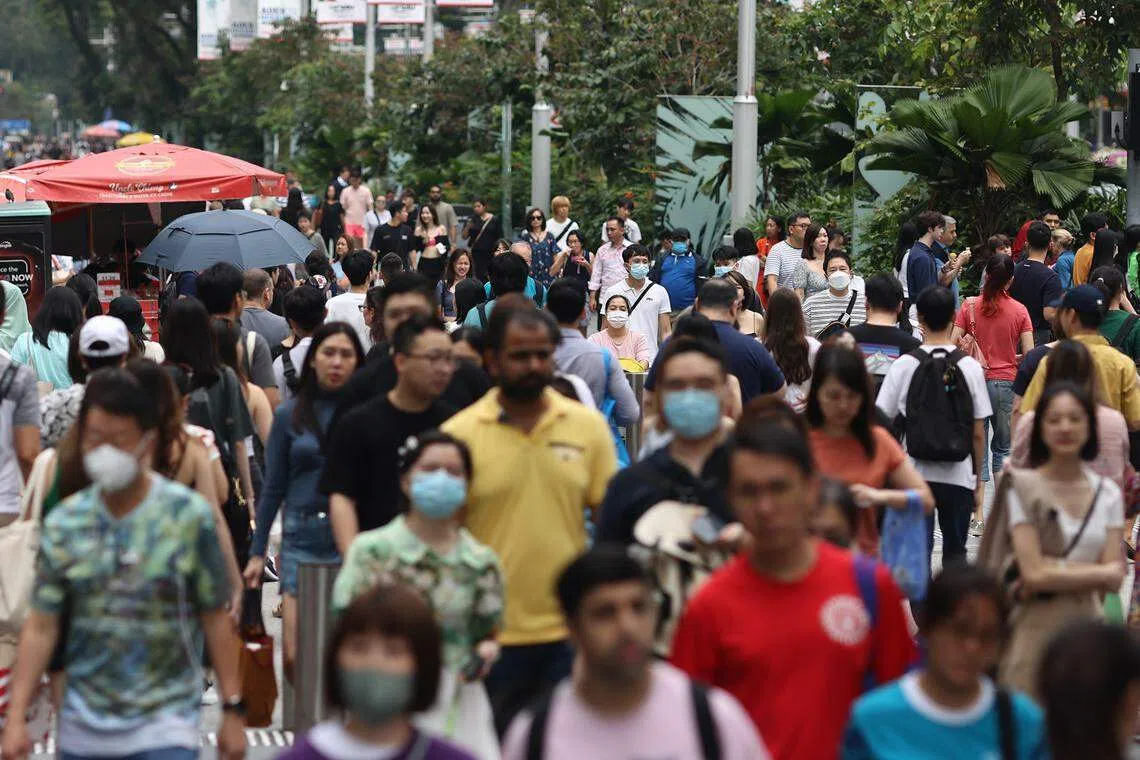
Still, he is encouraged by steps that Orchard Road businesses and stakeholders have taken in recent years. Some hotels and buildings have set up urban farms, and restaurants such as Kausmo at Shaw Centre now repurpose “ugly produce” into upmarket dishes.
“As long as we keep moving in that direction, we’re in a good place,” he said. “We don’t want to be part of the problem, we want to be part of the solution.”
Being more “ethically-conscious” – whether towards the environment or employees – could also help to attract Gen Z consumers, he added.
A car-lite Orchard Road?
The pedestrianisation of Orchard Road is another piece of the sustainability puzzle that Orba hopes to push for, especially as Singapore moves towards being a car-lite society.
“An architect once told us that if you took all the cars off Orchard Road, the temperature of Orchard Road would drop by four degrees. That alone is something to think about,” he said.
The planned pedestrianisation of a 500-metre stretch between Buyong and Handy roads, running past Istana Park and Plaza Singapura, is a “good experiment”, he said. This will take place in phases from 2025.
But beyond that, a balance between vehicle and pedestrian movement must be struck, said Shaw, who does not expect further changes to happen overnight.
“Orchard Road is a major artery to get from the Tanglin area to Marina. If we were to pedestrianise Orchard Road, that traffic has to go somewhere – but we’re not entirely sure where...
“There’s a lot of moving parts to a city, and Orchard Road is very firmly entrenched as part of the city of Singapore. If you make an adjustment to it, there’s a lot of knock-on effect. That’s why it takes so long.”
Being “walkable” is increasingly important with the rise of experiential retail, as consumers expect the precinct to be more than just a shopping destination – yet Orchard Road still falls short in this area, he said.
“There’s a lack of surface-level crossings in Orchard Road... you need to know your way around: which mall you’re in, how to get there via underground or through a pedestrian crossing,” he said. “That is something that takes away from the experience.”
Two months ago, STB announced that it would add “wayfinding features” to help visitors navigate the precinct, as part of an Orchard Road rejuvenation plan announced in 2019.
Department stores such as Robinsons, John Little, Metro and OG Orchard Point have exited the shopping strip in the last few years, but Shaw believes physical retail will endure – as long as mall operators continue “to provide the experience to bring shoppers in”.
“If you get the right tenants in, if you hit the right demographic for your part of your street, you’ll do well.”
Orba has no say over the tenant mix in malls, which is under the purview of landlords. Rather, the association acts as a “placemaker”, providing and curating street-level experiences to draw consumers there.
These include the annual Christmas on A Great Street, with light-ups and decorations, and past events such as Night At Orchard, which featured pop-up stores, food trucks and live acts.
“We just want to provide a great and conducive environment for people to shop,” said Shaw.