Singapore law to cane scammers, mules to take effect from Dec 30
Amendments to the Children and Young Persons Act will also come into force on the same date

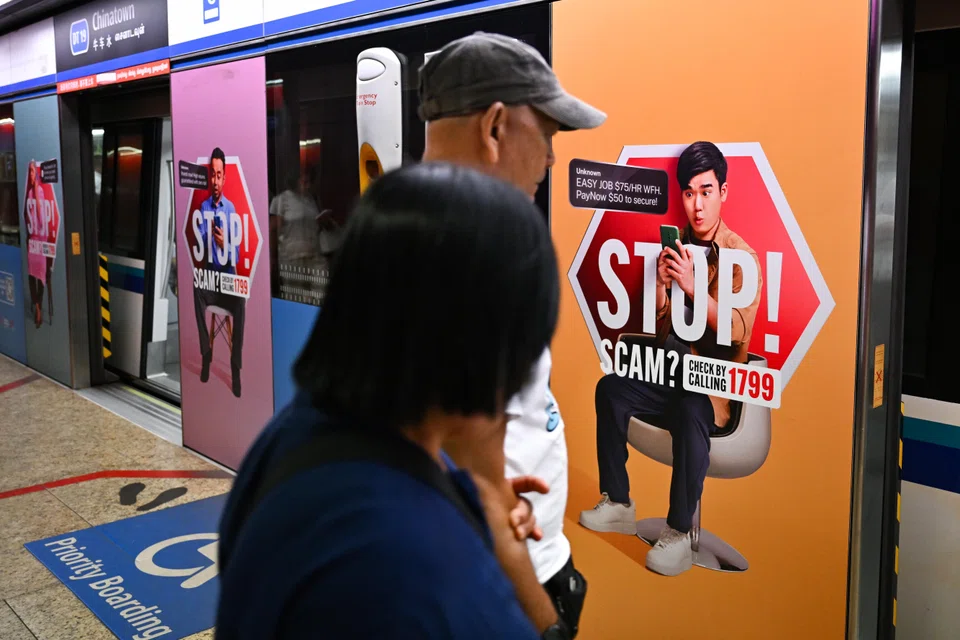
[SINGAPORE] Scammers and mules will face mandatory caning starting from Dec 30 as Singapore steps up its efforts to stem scam losses.
“Fighting scams is a top national priority,” said the Ministry of Home Affairs (MHA) on Friday (Dec 19). “The number of scam cases and scam losses remain concerning.”
The enhanced punishments for scams come after the Criminal Law (Miscellaneous Amendments) Act was passed by Parliament on Nov 4.
Scammers, syndicate members and recruiters will get at least six strokes of the cane, up to a maximum of 24 strokes depending on the severity of the offence. Money mules who help them by providing their bank accounts, SIM cards or Singpass credentials will face discretionary caning of up to 12 strokes.
In November, Senior Minister of State for Home Affairs Sim Ann said that there were about S$3.7 billion worth of losses between 2020 and the first half of 2025 from about 190,000 scam cases.
According to figures provided to The Straits Times by the police, a minimum of an additional S$187.1 million was lost to scams from July to September.
Offenders under Section 420 of the Penal Code for non-scam, traditional cheating cases will also be liable for discretionary caning of up to 24 strokes from Dec 30 onwards.
“This recognises that there are egregious traditional cheating cases that could also warrant caning as a sentencing option,” noted MHA.
Children and Young Persons Act amendments
Amendments made in 2019 to the Children and Young Persons Act will also come into effect from Dec 30. These will allow cases of youth offenders aged 16 to below 18 years to be heard in the Youth Courts.
SEE ALSO



Further amendments to the Act, and amendments to the Criminal Procedure Code 2010 introduced by this Act will also come into effect on the same date.
“Together, these amendments will allow cases involving older youth who are repeat offenders or who commit certain serious crimes, such as serious sexual offences, unlicensed moneylending and drug trafficking, to be transmitted to the State Courts or High Court, where they can receive adequately deterrent sentences,” added MHA.
Decoding Asia newsletter: your guide to navigating Asia in a new global order. Sign up here to get Decoding Asia newsletter. Delivered to your inbox. Free.
Copyright SPH Media. All rights reserved.