

Singapore services expected to stay optimistic, as cheer in factory sector cools

Annabeth Leow
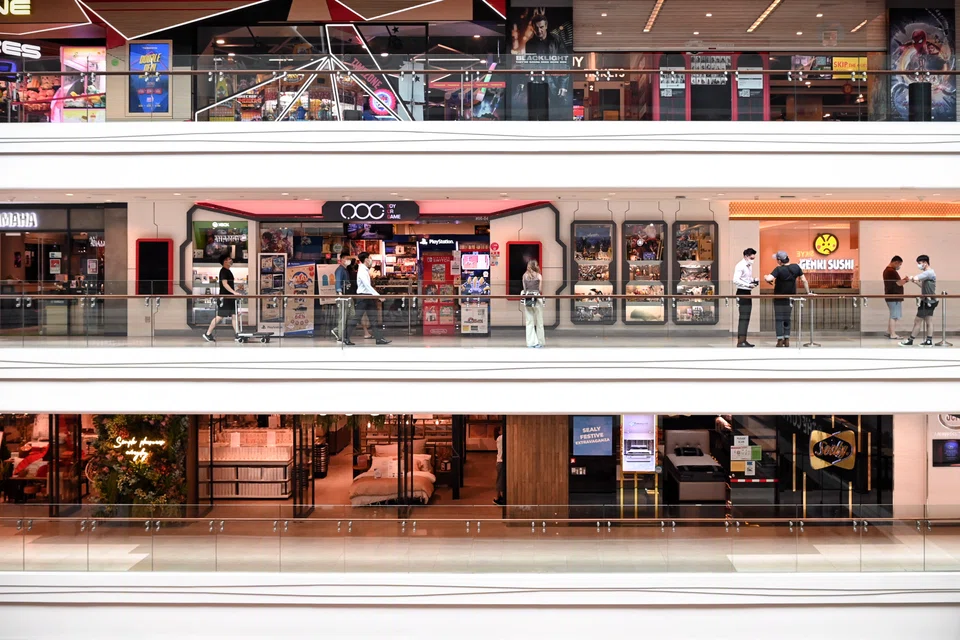
SINGAPORE’S services sector has stayed rosy on the 6-month outlook, but manufacturing sentiment is softening on rising costs, official business surveys indicated on Friday (Apr 29).
Despite the expected uplift from the broad domestic and border reopening, the divergent trend is expected to continue as Singapore’s recovering economy normalises, analysts told The Business Times.
UOB economist Barnabas Gan remarked that manufacturing and trade “have been supporting growth and shouldering the lion’s share of the recovery” during the Covid-19 pandemic in the past 2 years, “so that gives an upside bias to the services industries”.
The Singapore Economic Development Board (EDB) noted in its report that the manufacturing sector is taking a cautious outlook “as the ongoing Russia-Ukraine conflict adds to supply chain and inflationary pressures, resulting in higher cost of operations”.
In contrast, services are more domestic-facing and “will not be as impacted by external conditions compared to manufacturing”, said Moody’s Analytics economist Denise Cheok.
Among manufacturers, a net weighted balance of 2 per cent expect business conditions to be better in the next 6 months than in the 3 months prior. This is down from 8 per cent in EDB's previous survey at the end of 2021.
In the services sector, a net weighted balance of 15 per cent of firms expect business conditions to be more favourable in the next 6 months than in the prior 6 months, comparable with 14 per cent in the last survey by the Department of Statistics (SingStat).
The net weighted balance, used to gauge business sentiment, is the difference between the weighted shares of positive and negative responses.
The latest survey results were not shocking to Sarah Hunter, senior economist and partner at KPMG, who said: “Given the deterioration of the external backdrop in recent weeks, it’s unsurprising that sentiment among manufacturers slipped a bit in the first 3 months of the year.”
SingStat also pointed out in its report that its survey was held at a time when major relaxations of pandemic-related restrictions were announced.
Separately, CIMB economist Song Seng Wun observed that the surveys reflect sentiment rather than business performance, so “how it actually translates – we have to wait and see”.
“On the ground, there should still be year-on-year and quarter-on-quarter growth,” he said, and added that “the outlook is still net positive for the broader economy”.
Similarly, Gan stressed that the net weighted balances remain in positive territory for both manufacturing and services, which “does show that the Singapore economy remains resilient and robust”, and “is very much in line with high-frequency data” for the year to date.
An overall net weighted balance of 25 per cent of manufacturers expected output to increase quarter on quarter in the April-to-June period, up sharply from 2 per cent in the previous survey.
Among services firms, a net weighted balance of 16 per cent expected receipts to increase quarter on quarter, up from 12 per cent before.
Manufacturers may be more optimistic about their near-term output than their 6-month operating environment because most have stockpiled raw materials and diversified their sources, and can continue operations in the short run, Cheok noted.
“However, the risk of shortages of raw materials will rise over time as inventories are used up and not replenished,” she warned.
Song told BT that “challenges still remain and are indeed very significant”, citing raw material and labour costs, as well as “getting your hands on them” to begin with.
A net weighted balance of 21 per cent of manufacturers expected to step up hiring in the second quarter against the 3 months prior, compared with 12 per cent in the last poll. In services, a net weighted balance of 11 per cent expected hiring activity to pick up, against 9 per cent before.
“Labour demand will remain very strong and exceed labour supply”, despite some support from the return of foreign workers into Singapore, said UOB’s Gan.
Besides the risks to manufacturing from supply-chain disruption, input costs and weaker global growth, Hunter added: “Rising inflation will also dampen households’ purchasing power, which will spill over to domestically-focused sectors such as retail and food and beverage.”
TRENDING NOW

DBS remains analysts’ pick ahead of Q3 earnings after Singapore banks’ share slump

Singapore identifies 7 firms responsible for haze fires, notices issued urging action: Grace Fu

Good Class Bungalow market activity picks up pace on ‘realistic’ pricing

High Court rules against Julius Baer’s Singapore trust arm in US$50 million family trust dispute

