

Singapore's direct exposure to Greece 'negligible'; impact being closely watched: MAS
Singapore
THE Singapore economy's direct exposure to Greece is "negligible", the central bank said on Monday, reiterating that it keeps a close watch on developments in the eurozone and global financial markets.
Global markets slid on Monday - but did not plunge - following overnight news that Greek voters had rejected the terms of an international bailout in Sunday's referendum, opening up fresh uncertainties, including that of a Greek exit from the eurozone.
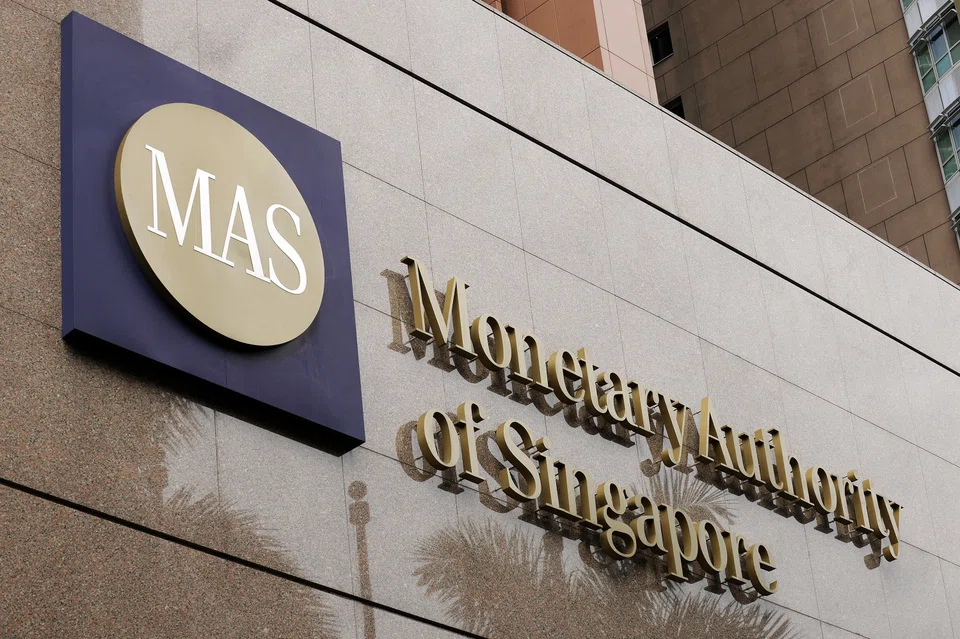
In response to media queries, the Monetary Authority of Singapore (MAS) said that Singapore's domestic money and foreign exchange markets "continue to function in an orderly fashion".
The MAS also said that Greece accounts for just under 0.2 per cent of Singapore's total trade, and 0.1 per cent of Singapore's total banking system assets. Direct exposure of the economy and banking system to Greece is thus insignificant.
But there is "some uncertainty" over the broader impact of ongoing developments, the central bank acknowledged.
It will thus maintain vigilance over these. "MAS is closely monitoring developments in the eurozone economy and global financial markets, and their potential impact on domestic markets and the economy," its statement read.
Mizuho economist Vishnu Varathan said that Singapore's exports, as with other Asian economies, remains well under one per cent of total exports.
"We don't expect a material impact through the trade channel into Asia, or the global economy," he said. "As long as financial spillovers stay contained, we think Asian growth is unlikely to take a further dent from a Grexit."
READ MORE:
Read more on the Greek crisis here
Share with us your feedback on BT's products and services
TRENDING NOW
Can a first-time homebuyer couple earning S$18,000 a month afford a new EC unit?

He built the Vingroup empire. Now South-east Asia’s richest man is handing some key roles to his sons

Asia needs new energy security architecture

Chagee, Mixue and Luckin won the market. Sustaining their edge is the harder part

