

Singapore's productivity grew 3.9% per annum from 2019 to 2021 despite Covid-19: DPM Heng

Singapore
DESPITE disruptions from Covid-19, Singapore's productivity grew 3.9 per cent per annum from 2019 to 2021, likely driven by economic transformation efforts that had begun before the pandemic.
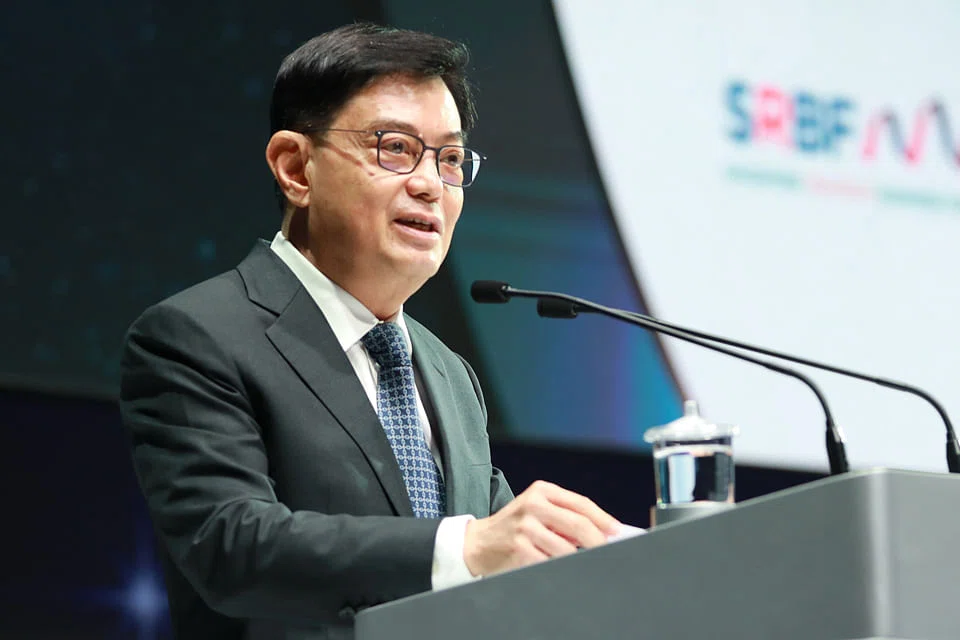
The increase in productivity levels during the pandemic is also higher than that in the years before, Deputy Prime Minister Heng Swee Keat revealed in a keynote address at the Singapore Apex Business Summit 2022.
In the 3 years prior to the introduction of Industry Transformation Maps (ITM), Singapore's productivity growth stood at 2.3 per cent per annum, which Heng said was better than that of most other advanced economies.
In the 3 years since their launch, productivity grew at 2.7 per cent per annum from 2016 to 2019.
"Even though we planned for greater uncertainty, none of us expected the scale and extent of disruptions brought about by Covid-19. But what we had set in motion enabled businesses to more nimbly adapt, respond, and pivot to the changing operating environment," Heng said.
These ITMs should be further strengthened, he said, given the need for "an even more resilient networked ecosystem" in a post-pandemic world where global shocks are the new normal.
He outlined 4 key attributes that will be most relevant in Singapore's quest to strengthen its resilience beyond hard skills and capabilities: openness, innovation, sustainability and trust.
With openness a foundation to Singapore's success, Heng said the Republic must double down on openness and connectivity at a time of rising nationalism and xenophobia in many parts of the world.
Beyond diversifying supply chains and markets and strengthening digital connectivity, he said a more critical component of openness is talent.
"Realistically, with a small and ageing workforce, we'll not have all the skills, and in sufficient numbers, to meet these new demands," he said, adding that such skills and talent are needed to take on opportunities from new industries and growth areas.
On innovation, Heng said one way to embrace it lies in a mindset shift towards how companies perceive fellow industry players: "Companies often see each other as competitors, rather than as potential collaborators. But collaborate with your competitors, and you can grow even further."
He added that companies should compete based on their distinctive value propositions but collaborate to tackle common challenges and unlock synergies.
Promising approaches include the Alliances for Action (AfA), a pathfinder that facilitates prototyping of new ideas, as well as Boost Up, an initiative launched by the Singapore Business Federation (SBF) last month to support companies holistically.
As for sustainability, Heng said that it is now a key priority across all sectors as part of ITM 2025.
Just like how the original ITMs made a strong push for digitalisation, he said sustainability is now a centrepiece of its next iteration, allowing Singapore to move decisively on its climate commitments while opening new opportunities.
Trust, the fourth attribute, comes in many dimensions, Heng noted, but the trust between companies and their workers is a key factor for business transformations.
In particular, strong tripartism in Singapore has contributed to growing trust, he added, with unions taking an interest in helping companies transform.
SBF and the business community can further work with the labour movement, government agencies and other stakeholders to strengthen trust at the sector level.
He also challenged SBF, which is celebrating its 20th anniversary this year, to do more, adding that he is glad the federation is forming an AfA on business leadership development that will sharpen Singapore's leadership edge.
TRENDING NOW

Once staunchly pro-China, Malaysian Chinese businesses are now distancing themselves from Beijing

Britain’s mansion tax shows the difficulty of targeting wealth

Three hats, one goal: How Ng Kian Swan runs sustainability at NUHS

COE review: The gap between luxury and mass-market cars isn’t the only one worth bridging

