Singapore's productivity rising too slowly in recent years: PM Lee
 Add BT as a preferred source
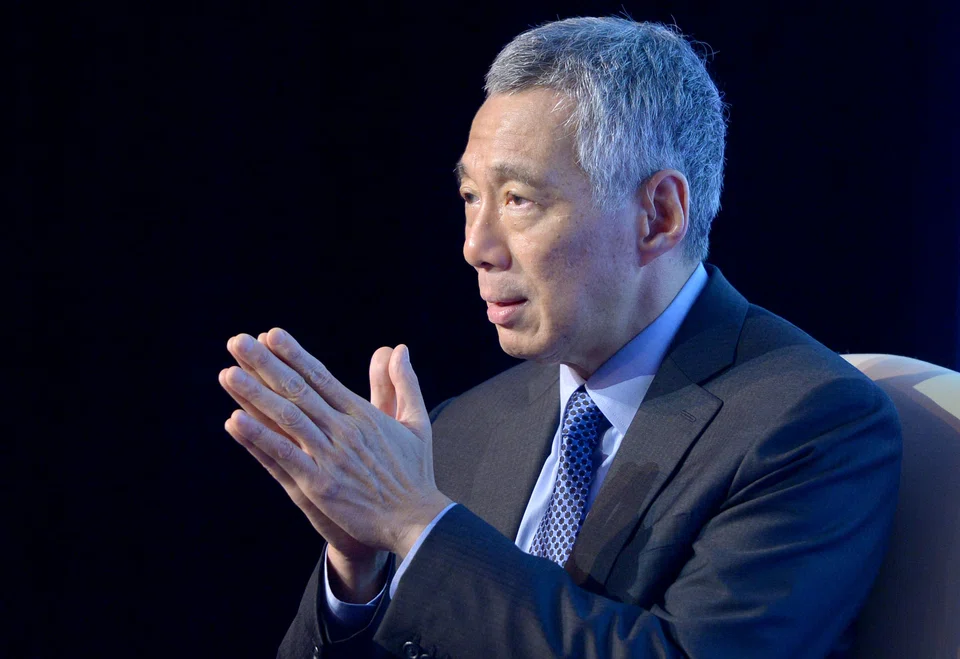
The productivity levels in Singapore have risen "too slowly" over the last few years, said Prime Minister Lee Hsien Loong in his annual May Day Message on Thursday.
This situation, he explained, was partly due to the unsettled global economy, as well as the fact that Singapore's previous strategy to boost productivity is reaching its limits.
Mr Lee also noted that while wages have been rising in the current tight labour market, this cannot be sustained.
"If productivity continues to stagnate, after a while so will wages, which may even fall back," he warned, adding that having productivity and innovation was the only sustainable way to raise wages and enhance careers.
Mr Lee called for a "fresh approach" to see an improvement in the numbers. On its part, the government is working hard to make SkillsFuture a reality. "SkillsFuture is about adapting to new technologies and trends, seizing new opportunities, creating new value, and equipping workers for the future," said Mr Lee.
He stressed that every stakeholder, including employers and workers, had to play their part in order for SkillsFuture to take off and succeed. Employers must support their workers in their training and recognise those who are able to contribute more. Workers should also take charge of their development and careers.
"As a society, we must be supportive and open-minded. We should not measure people by their paper qualifications, but by their skills and contributions," said Mr Lee.
Copyright SPH Media. All rights reserved.