

S'pore ranked No 2 again in talent-competitiveness
It does well in ease of doing business and male-female earnings ratio, but Insead says it should raise its spending on R&D and its tolerance towards minorities and immigrants
Singapore
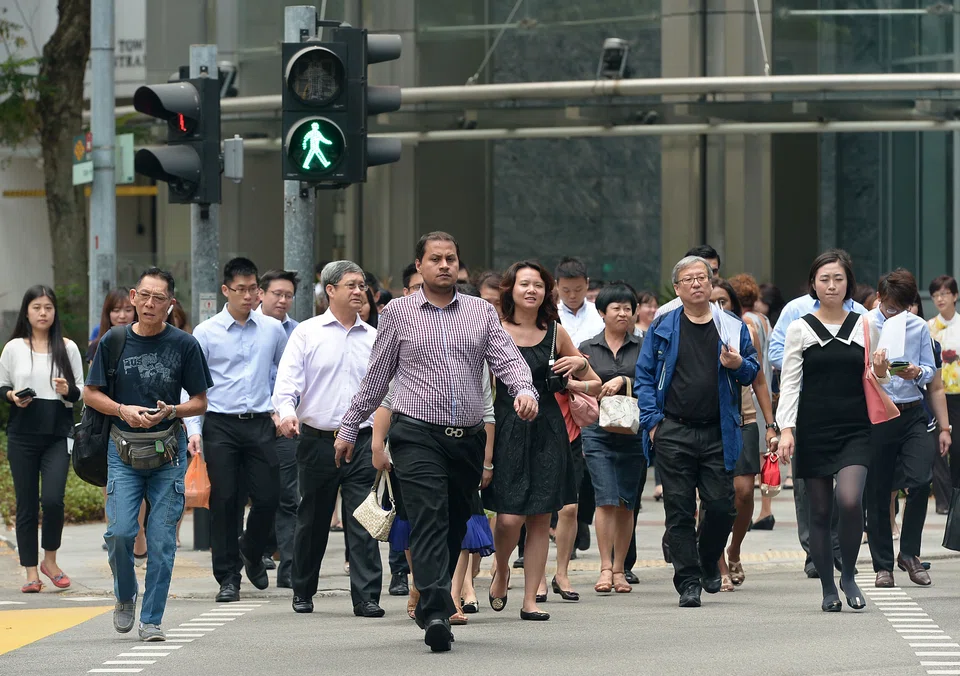
SINGAPORE has again been ranked as the world's second-most talent competitive country, behind only Switzerland.
This makes it the only Asian country in the top 10 of the Global Talent Competitiveness Index (GTCI) compiled by the business school Insead.
As with the previous edition of the index, 2014's rankings were dominated by European countries; only six non-European countries made it into the top 20 - Singapore (second), the United States (fourth), Canada (fifth), Australia (ninth), New Zealand (16th) and Japan (20).
Insead said on Tuesday, however, that the Republic could afford to spend more on research & development (R&D) and improve its tolerance levels towards minorities and immigrants.
The study, first done in 2013, measures a nation's competitiveness based on the quality of talent it can produce, attract and retain.
Bruno Lanvin, the executive director of Global Indices at Insead and co-author of the report, said: "It's really quite striking that among the top three countries - Switzerland, Singapore and Luxembourg - two are landlocked and one is an island. Faced with specific geographical challenges and a quasi-absence of natural resources, these countries have had no choice but to be open economies, a critical ingredient to being talent-competitive."
Singapore was "exemplary" in terms of its external openness and its regulatory, market and business landscape, but Insead highlighted a few areas for improvement.
"Despite leading on ease of doing business and female-to-male earnings ratio (ranked first on both), the country lags behind on R&D expenditure (16th), intensity of local (market) competition (15th), and tolerance to minorities (24th) and to immigrants (41st)," said Insead in its 332-page report, produced in collaboration with the Human Capital Leadership Institute of Singapore (HCLI) and the Adecco Group.
Insead's study also stressed the need for countries such as Singapore to go beyond traditional formal education systems and develop vocational skills; it noted that while Singapore was ranked a commendable sixth in formal education, it languished in 52nd position in vocational enrolment.
The GTCI findings differ from the World Talent Report released by Switzerland-based business school IMD last November: In that study, Singapore emerged 16th in the world in talent competitiveness as a result of its imbalance in optimising homegrown talent and attracting those from overseas.
The Ministry of Manpower and the Workforce Development Agency told The Business Times then that skills and human-capital development were central to Singapore's success, and that efforts in these areas continued to be top priorities for the government.
TRENDING NOW

Nvidia reinstates Jensen Huang as CEO; Trump says move poses no national security risk

Indonesia’s coal tycoon Low Tuck Kwong replaced as Bayan Resources president-director

Nvidia surges 33% after reinstating Jensen Huang, reviving AI trade; stocks soar in US and Europe

Consider lowering homeownership barriers for some non-resident foreigners

