

A tough call, even in Singapore
Singapore
EVEN among members of the British Chamber of Commerce (BritCham) Singapore, the view on Brexit is unclear - with would-be voters switching their decisions within an hour.
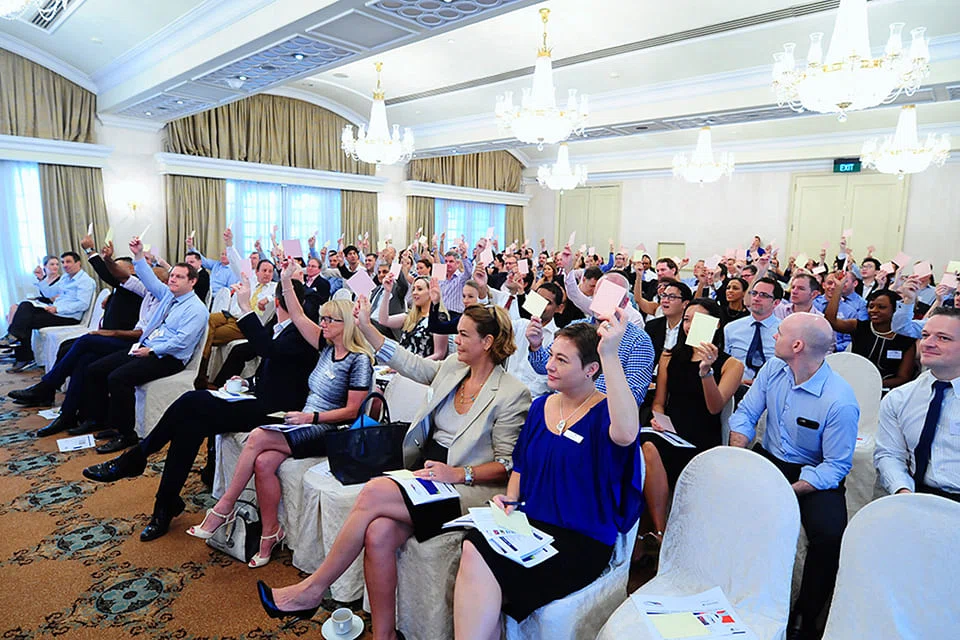
At a Brexit debate organised by BritCham on Tuesday, more than 150 participants were asked to indicate how they would vote at the upcoming European Union (EU) referendum in two mock polls - one held before, and the other , at the end of the debate.
The earlier poll showed that three-quarters of them planned to vote for the UK to remain in the EU; the second poll ended with a third of the participants moving from the "remain" camp to the "leave" camp.
Still, the vote for Britain to stay put in the EU held the majority.
(A breakdown of the polls was not provided; BritCham told The Business Times that only an informal mock poll was taken, without a full tally.)
The debate, held at the Raffles Hotel, outlined the arguments for both sides and discussed the implications of either referendum result.
Simon Baptist, global chief economist at the Economist Intelligence Unit (EIU), said the EIU expects the vote to be won by the "remain" campaign. Should the UK vote to leave, the economic shock could lead to a 6 per cent drop in the country's gross domestic product (GDP) below the EIU's non-Brexit baseline forecast.
The argument for leaving the EU was made by Alltus Capital fund manager Richard Whittall, who made the political and economic arguments for Brexit.
"(The UK) joined a free-trade zone in 1975, which has, little by little, become more of a political organisation ... According to the House of Commons Library between 2010 and 2015, 59 per cent of UK legislation has come from Brussels ... We are impotent to change Europe, but much worse, we are impotent to stop them changing us," he said.
When Clifford Chance partner Paul Landless argued for the "Bremain" camp, he said: "There is going to be a serious economic aftershock if we leave ... The question is can we afford to leave? ... (US president Barack) Obama has already told us that we will be at the back of the queue (for a trade agreement) if we leave."
Mr Landless added that Britain would have to replace 53 existing free-trade agreements and spend years extricating itself from existing contracts - all the while experiencing various political changes.
In the referendum to be held on June 23, voters will be asked: "Should the United Kingdom remain a member of the European Union or leave the European Union?"
TRENDING NOW

He built the Vingroup empire. Now South-east Asia’s richest man is handing some key roles to his sons
Despite the de-dollarisation debate, demand for dollar liquidity in Asia is growing
Can a first-time homebuyer couple earning S$18,000 a month afford a new EC unit?
Asia needs new energy security architecture

