Work ‘still ongoing’ on how to define workplace discrimination in upcoming law: Zaqy
Bryan Kow
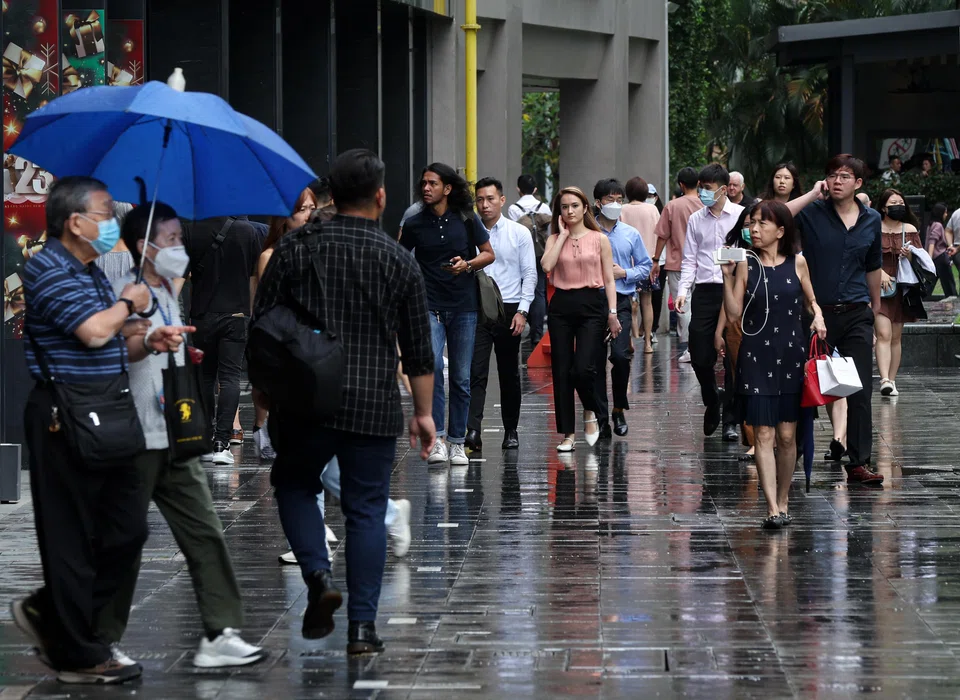
SINGAPORE has yet to decide what might count as workplace discrimination under upcoming laws, with work and discussions still ongoing, said Zaqy Mohamad, Senior Minister of State for Manpower, on Thursday (Mar 23).
Speaking at the opening address of a dialogue on workplace fairness legislation, Zaqy noted that there was feedback regarding the definition of discrimination and “what constitutes discrimination will be made clear” when the legislation is enacted.
“There are different forms (of discrimination) and not just the forms, but how it’s defined matters to it,” he added. This included indirect and direct discrimination, for instance.
Apart from legislative definitions, Zaqy hoped that employers and employees would “continue to uphold the overarching principles of merit-based employment”.
Employers, labour movements, and human resource professionals were at the dialogue to discuss recommendations made by the Tripartite Committee on Workplace Fairness in an interim report released on Feb 13.
The report proposed legislation that involved banning discrimination against five “protected characteristics” across all stages of employment.
Other recommendations included a wider range of monetary and non-monetary remedies for employees, and more proportionate penalties against employers in the form of enforcement levers.
Panellists at the dialogue included Zaqy; Edwin Ng, honorary secretary of the Singapore National Employers Federation (SNEF); and Chiam Hui Fong, deputy secretary-general of the National Trades Union Congress. Aslam Sardar, chief executive of the Institute for Human Resource Professionals, moderated the discussion.
The discussion was held under the Chatham House Rule, where the information disclosed could not be attributed to speakers.

Several employers raised concerns about how they would be protected under the proposed legislation. For example, claims of discrimination made by potential employees during the pre-employment stage if they were not shortlisted for roles in a company.
In response, the panellists said safeguards would be in place for employers as in these cases, the onus would be on potential employees to prove there was clear discrimination.
Other participants highlighted that fairness can take different shapes and suggested that companies should define what fairness looks like within the organisation.
The panellists added that a balance is required to ensure that the legislation is not overly harsh and helps companies come up with transparent guidelines on workplace fairness.
On defining discrimination, SNEF’s Ng told reporters the five characteristics defined by the legislation served as a “good starting point”. He added: “After the legislation is rolled out, it will be reviewed from time to time to see if it is necessary to amend some of the characteristics that have been covered.”
Ng also emphasised the importance of individuals having a positive workplace.
“The purpose of the legislation is on deterrence, but the focus should be on the other end of the spectrum, which is to uplift the standards of HR (human resource) practices within companies to enable every employee to have a fair chance at work.”
Decoding Asia newsletter: your guide to navigating Asia in a new global order. Sign up here to get Decoding Asia newsletter. Delivered to your inbox. Free.
Copyright SPH Media. All rights reserved.