

Funding the next breakthrough: How leading UK university plans to back future innovators
The University of Manchester’s £400 million campaign will support scholarships, research initiatives and a new pre-seed fund for student and staff spin-offs
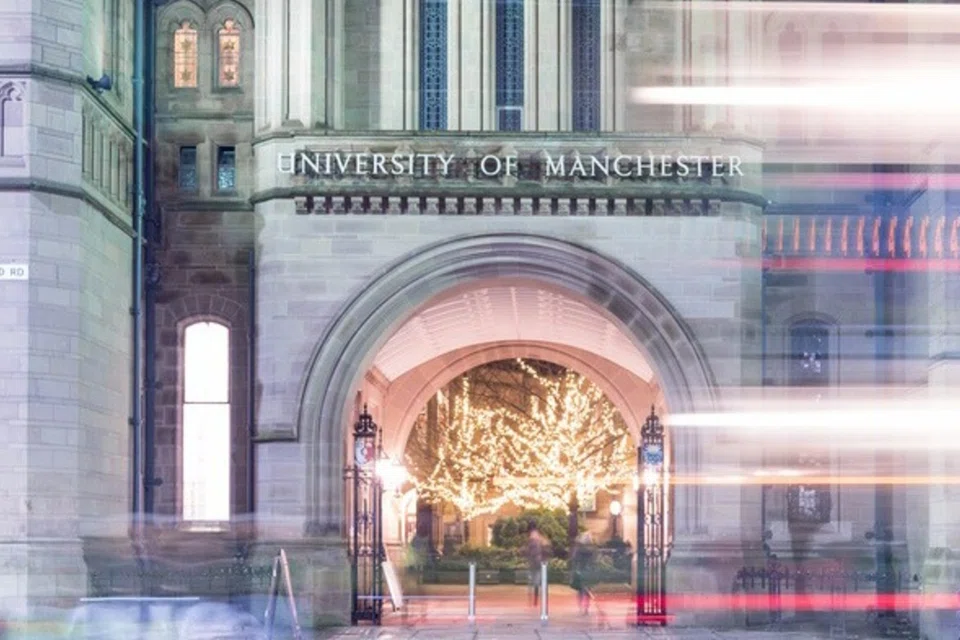
MOST people know Manchester for its football clubs – Manchester United and Manchester City, but beyond stadiums lies another world-renowned Mancunian institution that has shaped science, innovation and society for more than 200 years.
While The University of Manchester (UoM) may not dominate headlines like the city’s football giants, its achievements eclipse many of its peers. Home to 26 Nobel laureates, it has produced discoveries that have transformed modern life.
The university is now launching its first major global fundraising effort – the Challenge Accepted – aiming to raise £400 million over the next decade to strengthen student services, research initiatives and international partnerships.
Big on innovation and social impact
For 200 years, UoM has pushed the boundaries of scientific and technological progress, and its breakthroughs continue to shape modern life.
In the 1910s, Ernest Rutherford and his team at UoM became the first to artificially split an atom – an achievement that established modern nuclear physics. Today, UoM is home to the UK’s largest nuclear science programme.
From Alan Turing’s pioneering work on artificial intelligence and early computing in the 1950s, to the discovery of graphene by Nobel laureates Konstantin Novoselov and Andre Geim in 2010, The University of Manchester has shaped some of the world’s most transformative breakthroughs. This legacy was further extended in 2024 when Manchester-educated alumnus Simon Johnson was awarded the Nobel Prize in Economic Sciences for his work on how institutions and governance shape long-term national prosperity, becoming the 26th Nobel laureate associated with the University.
“As a university, we have always been committed not only to teaching and research excellence, but to getting our knowledge out into the world and making a difference,” says Professor Duncan Ivison, UoM’s President and Vice-Chancellor.
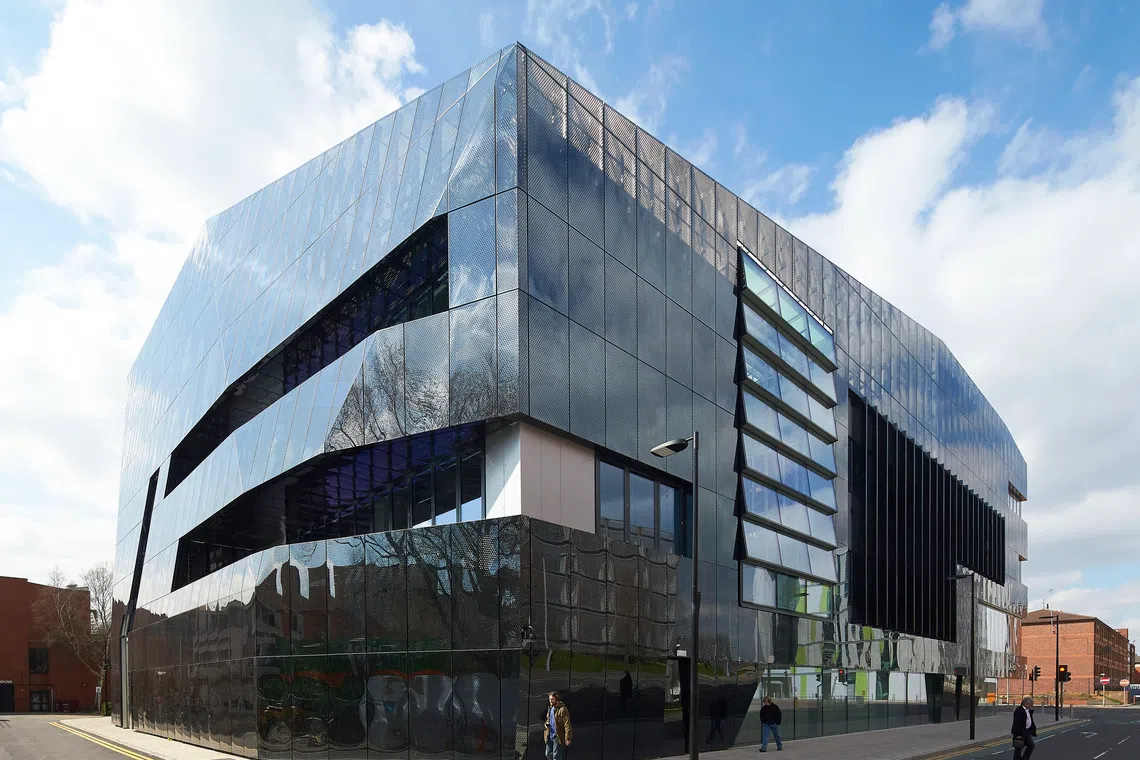
Building on this vision, Sir Novoselov adds: “Supporting initiatives like Challenge Accepted enables researchers and students to pursue ambitious projects that can transform lives and societies. This campaign empowers the next generation of innovators and changemakers to make a real difference.”
Contributing to global solutions
In the contemporary era when universities operate amid global challenges such as climate change, migration, geopolitics and the transformative impact of technology, Prof Ivison sees UoM contributing solutions by enhancing interdisciplinary research and organising teams around problems rather than academic silos.
“We have some big ambitions around multi-disciplinary and inter-disciplinary research, and we’re very passionate about how we organise ourselves around the problems rather than expecting the problems to organise themselves around us,” he says.
To translate those “big ambitions” into impactful solutions, UoM’s first major global fundraising campaign, aiming to raise £400 million over the next decade, seeks to support student services, research and global collaborations, and strengthen international partnerships and impact.
The university draws funding from diverse streams, including tuition fees, research income from councils, industry and charities, as well as government funding and other sources like commercial activities, donations and investments.
It also relies on its endowment, approximately £240 million in 2024, to fund long-term academic initiatives through income generated from a diversified investment portfolio. This is a modest amount compared to peer universities, which makes the 10-year fundraising campaign crucial for the university’s future growth.
UoM expects a substantial proportion of its £400 million fundraising goal to come from philanthropic sources.
Prof Ivison points out that the university was founded through philanthropy in 1824, and the tradition continues 200 years later to enable UoM to continue making a significant impact for the world.
“We need philanthropy because higher education is in constant flux and funding is uncertain,” he says.
“What philanthropy does is to give us that margin of excellence, it allows you to do things you would not otherwise be able to do, whether in relation to student support, research or the work we do with our cultural institutions,” he adds.
UoM intends to continue making Manchester Museum, Whitworth Art Gallery and the Rylands Library, all part of the university, accessible to the public. Collectively, these cultural institutions welcome some 1.5 million visitors a year.
In relation to student support, UoM aims to expand needs-based support and open more pathways for students worldwide, including those from Singapore.
“The cost of living is a huge issue for our students, both domestic and international. We know our students and families are often making big sacrifices to study with us and we want to invest more in our students,” he says.
There are also plans to offer UoM students more international exposure, including spending part of their studies at the university’s worldwide centres.
Groundbreaking discoveries from The University of Manchester
From splitting the atom to graphene innovations, The University of Manchester has a long history of research that has transformed science, technology, and everyday life.
- In 1908, Ernest Rutherford won the Nobel Prize in Chemistry for his work on splitting the atom.
- Alan Turing made foundational contributions to modern computing, including early computer design.
- In 2010, Andre Geim and Konstantin Novoselov were awarded the Nobel Prize in Physics for their work on graphene isolation.
- George Gray pioneered research on liquid crystals, which became essential for LCD technologies.
- In 1993, Michael Smith, an alumnus of The University of Manchester, won the Nobel Prize in Chemistry for his studies on chemical reactions.
- In 2024, Simon Johnson, an alumnus of The University of Manchester, won the Nobel Prize in Economics for his work on how institutions and governance shape national prosperity.
UoM also wants to achieve its plans for innovation and commercialisation. UoM is also preparing to launch a new pre-seed Founders Fund to support early stage student and staff spin-offs – strengthening the pipeline from research to commercialisation.
The Singapore connection
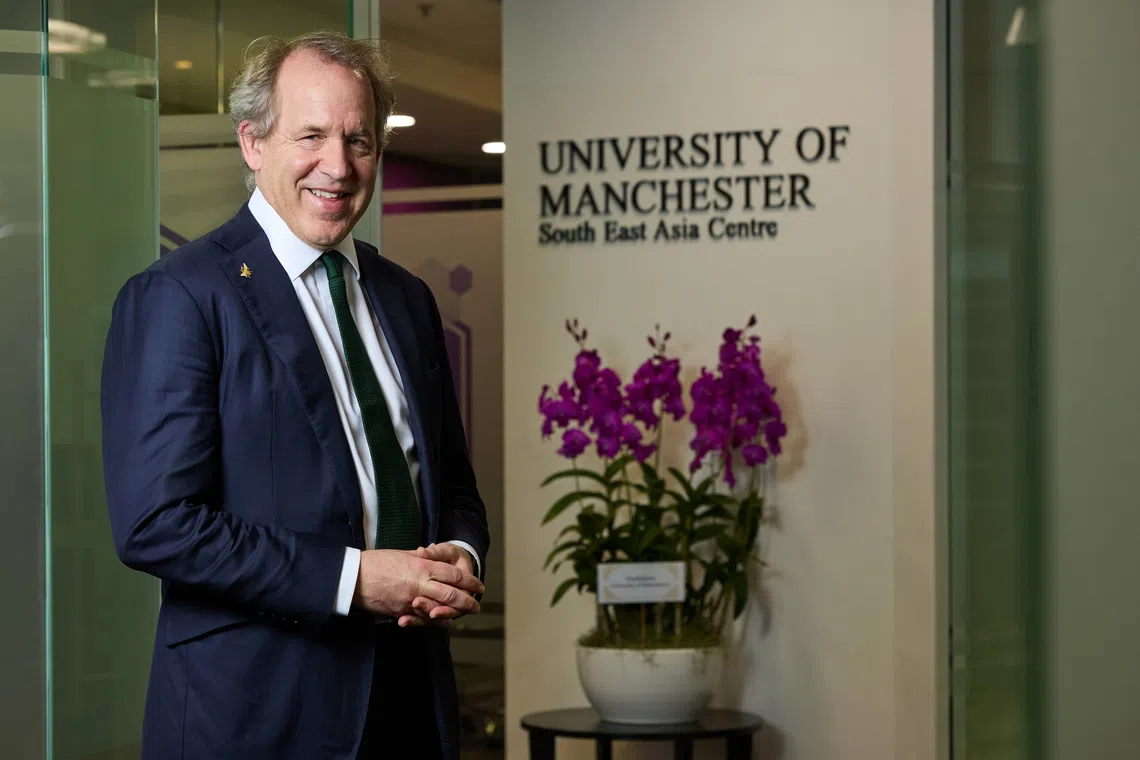
Singapore serves as a strategic hub for the UoM South East Asia Centre, building on 33 years of presence in the city-state and anchoring the University’s 10-year vision in the region. The Centre supports postgraduate education, including its flagship Global MBA, while strengthening alumni networks and forging influential partnerships across South-east Asia.
“Singapore provides a vital platform for connecting students, alumni, and partners across South-east Asia, amplifying our impact in the region,” adds Lim Bee Ing, Regional Director of the South East Asia Centre.
This strong connection was recently celebrated by The Orchid Society of South East Asia, which dedicated a hybrid bloom – Dendrobium University of Manchester – to mark the launch of the Challenge Accepted campaign.
“This orchid honours the achievements of generations of graduates and the enduring partnerships that continue to shape knowledge, culture and society,” says Prof Ivison.
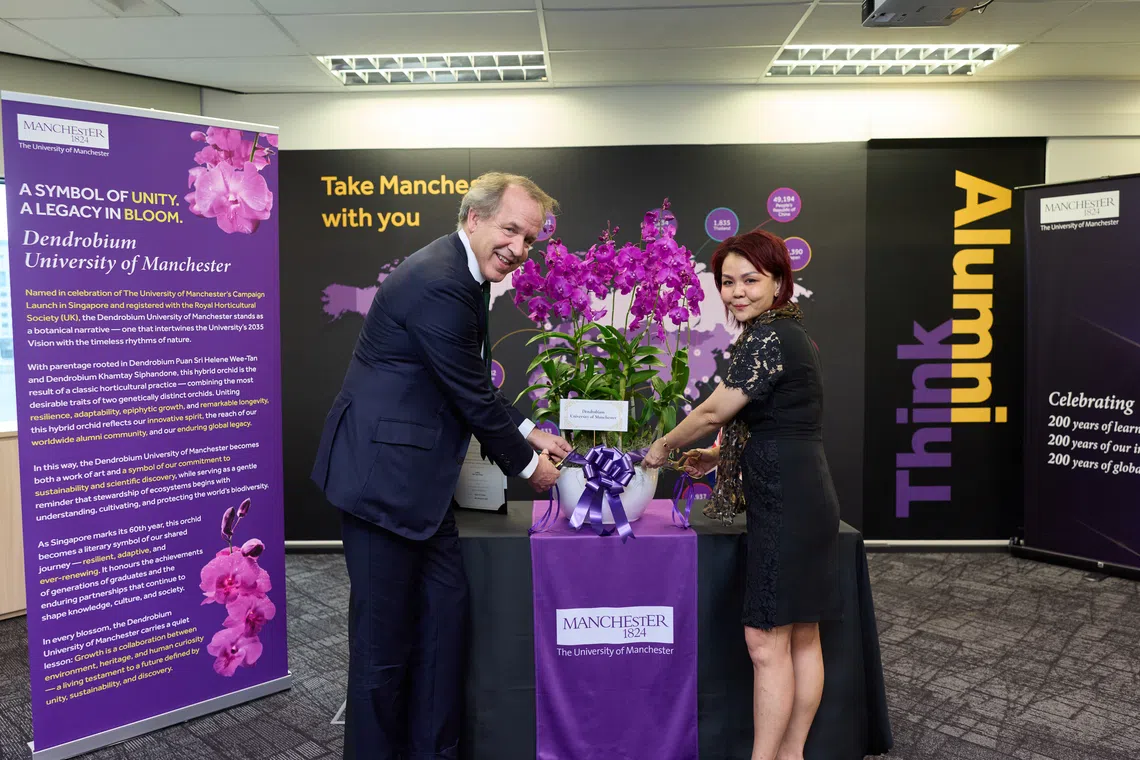
Singapore is home to a 7,000-strong UoM alumni network whose members play a vital role in bridging ideas, talent, and opportunities between the UK and Asia. Worldwide, UoM has an alumni network of around half a million from about 190 countries.
Notable Singapore alumni include Teo Chee Hean, who is Senior Advisor in the Prime Minister’s Office and Chairman of Temasek Holdings, Associate Professor Dr Muhammad Faishal Ibrahim, Acting Minister-in-charge of Muslim Affairs and Senior Minister of State, Ministry of Home Affairs and Desmond Tan, who is Senior Minister of State in the Prime Minister’s Office and Deputy Secretary-General of the NTUC.
“The University of Manchester’s global network of alumni and partners make a positive contribution to building collaboration and cooperation to address the challenges of our times. Our alumni here in Singapore are part of this network, and play leading roles in the public, private and people sectors. Initiatives like Challenge Accepted remind us to take bold action to tackle the challenges faced by our societies, many of which we face in common. We can achieve much more together, applying what we learned and the friendships we made at Manchester,” said Mr Teo, who is also patron for the UoM Alumni Association of Singapore, on Nov 28 during the launch of the Challenge Accepted campaign for South East Asia in Singapore.
It is these collaborations and cooperation that Prof Ivison is relying on to advance the Singapore-UoM link.
“In many ways, many of the biggest challenges we face are found in South-east Asia, whether it’s climate, technology, migration, geopolitics, many of those issues are playing out in this region in extraordinary ways,” he says.
UoM continues to build momentum in Singapore through active engagement with A*Star and Cambridge CARES, the University of Cambridge’s first overseas research centre in Singapore, extending long-standing partnerships that are already well rooted in Manchester.
“A*Star has long been a key partner in supporting doctoral training and research collaboration with The University of Manchester. At today’s meeting, it was particularly delightful to meet a former colleague from Manchester Medicine, now serving as one of the Directors at A*Star – an apt reflection of the enduring strength and continuity of this partnership,” says Prof Ivison.
The 10-year strategy also includes expanding UoM’s flexible learning in the region.
“There’s a lot of interest from our industry and corporate partners in programmes that help leaders and others grapple with the transformative impact of AI, of sustainability and also the kind of geopolitical context that companies and others are increasingly having to grapple with,” says Prof Ivison.
More than focusing on the money, the Challenge Accepted campaign focuses on what people are passionate about and interested in, what motivates them, and what gives them a deep sense of real joy and pleasure about supporting UoM.
“We know that many Singapore alumni are, for example, deeply passionate about supporting our students from the region and more generally, they want to see more students have the chance of the positive experiences they themselves had,” he says.
By supporting the university, alumni and donors have the opportunity to help turn UoM’s pipeline of groundbreaking research into real-world solutions – sustaining its leadership in science, technology and societal impact.
“There’s an enormous amount of interest in helping the university become more impactful through our innovation assets, through our ability to commercialise our research, and the potential benefits that we can have not just for the university but for society, including in South-east Asia.”
Decoding Asia newsletter: your guide to navigating Asia in a new global order. Sign up here to get Decoding Asia newsletter. Delivered to your inbox. Free.
Share with us your feedback on BT's products and services
TRENDING NOW

Grab CEO’s wife Chloe Tong on life with Anthony Tan and finding her purpose

Hwa Seng Builder, two China companies win S$1.2 billion Tuas Road Viaduct phase two contracts

Deal between tycoon friends sparks scrutiny of Philippine power sector

Canada is upping oil flows to Asia, but South-east Asia’s refineries aren’t ready to handle them yet

