

Green fuels, autonomous ships, new skills: How Singapore is future-proofing its shipping industry
As decarbonisation and automation reshape the industry, Singapore’s port operators, shipyards and research labs are turning disruption into advantage
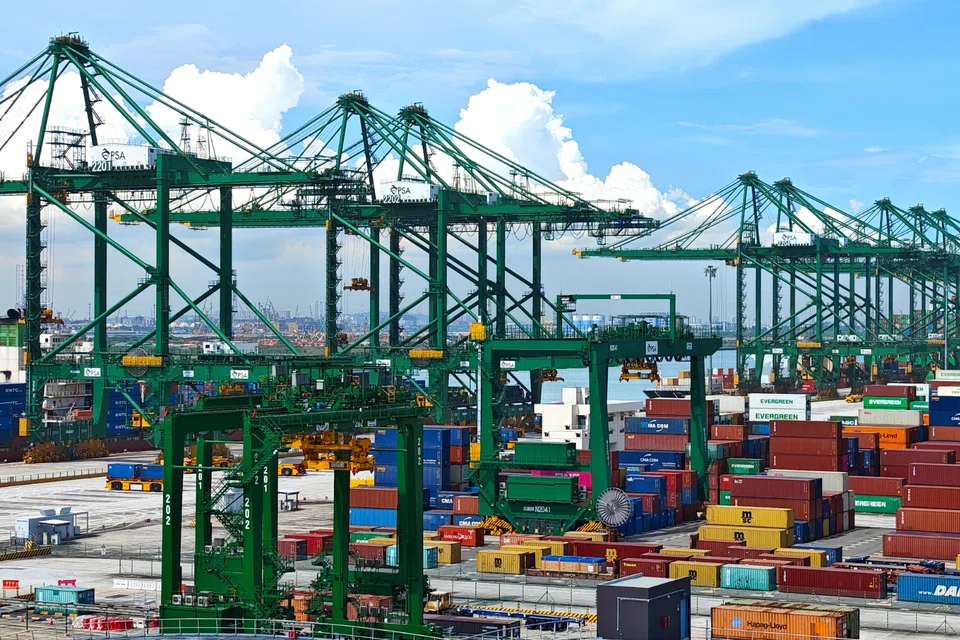
FEW industries have faced as many shocks in recent years as the maritime industry. From the Covid-19 pandemic and recent geopolitical tensions, to mounting pressure to decarbonise and the rapid rise of artificial intelligence, the maritime sector is navigating one of its most challenging periods in decades.
The ongoing tensions around the Strait of Hormuz, through which around 20 per cent of the world’s oil supply passes, are another reminder of how vulnerable global supply chains can be.
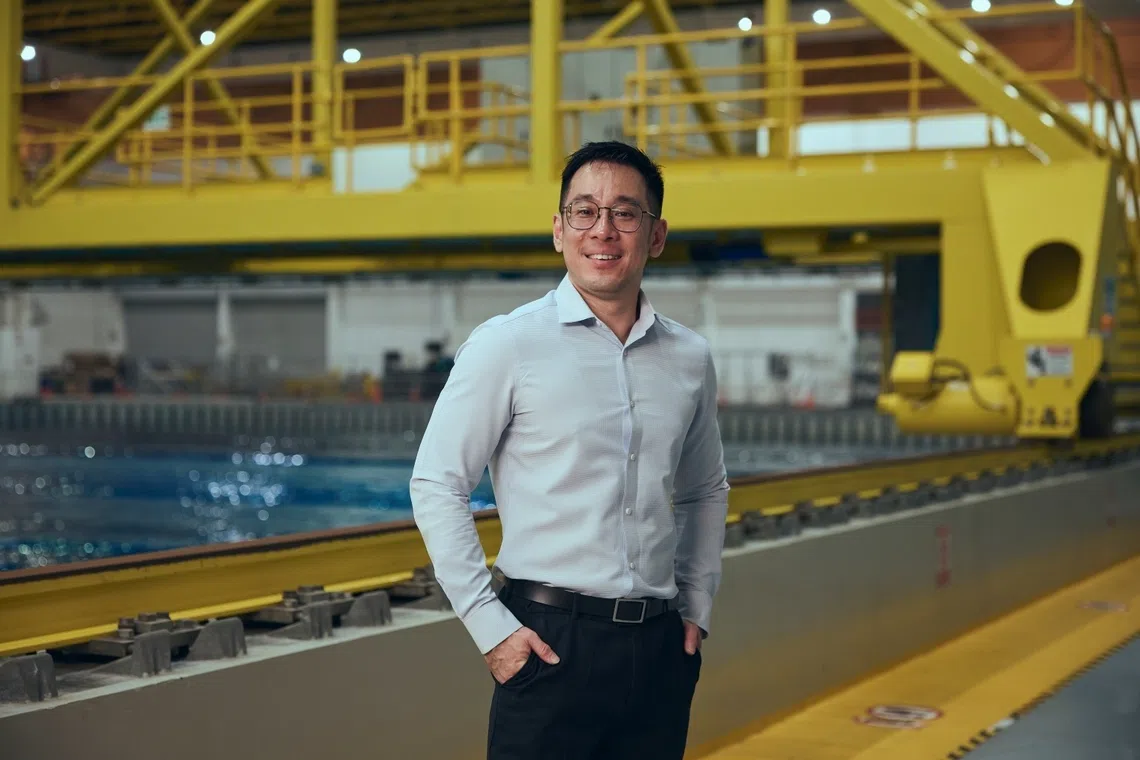
Ng Yi Han has seen first-hand how disruptions to the maritime industry can ripple through the wider economy. The industry veteran of more than 20 years is now chief transformation officer and senior director for Innovation, Technology and Talent Development at the Maritime and Port Authority of Singapore (MPA).
“When the maritime industry is running smoothly, you get all your essentials – your energy supplies, your food, your e-commerce stuff – comfortably and easily, both in terms of availability and cost,” he says.
“But the moment there is a shock or a disruption, you will see prices going up and probably notice that certain things may be in shortage.”
For Singapore, whose economy depends on global trade, keeping goods moving is critical. The country is the world’s leading transshipment and bunkering hub, handling a quarter of global ship refuelling needs. At any given time, around 1,000 ships are in Singapore’s port waters.
However, maintaining that position requires more than geography alone. To tackle emerging challenges, MPA and its partners are investing in the maritime ecosystem, technology, sustainability and talent.
Watch to find out more about the maritime industry.
Connecting maritime businesses, talent and innovation
Around 5,000 maritime companies are based in Singapore, employing more than 140,000 people across shipping, port operations, maritime services and technology.
Over the past year alone, at least 35 firms opened or expanded their operations here, bringing the total to more than 200 international shipping groups.
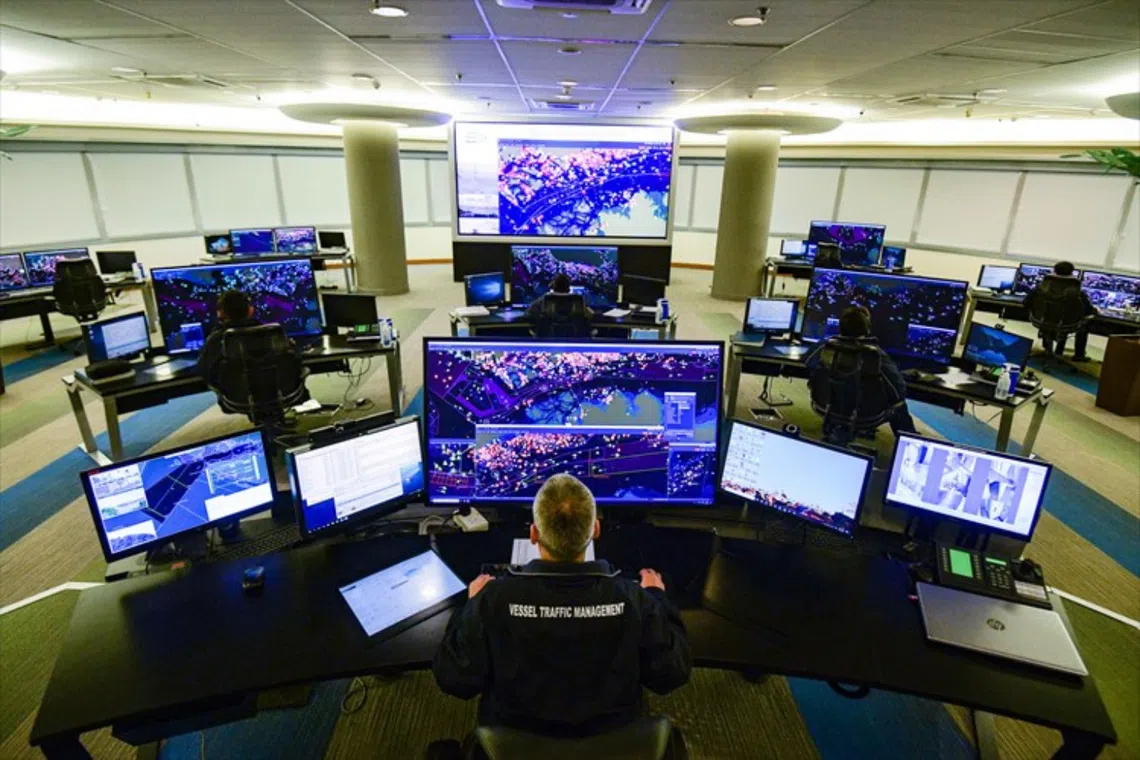
As Asean economies expand, demand for efficient and resilient maritime networks is also growing. Countries such as Malaysia, Indonesia and Vietnam are investing in ports and upgrading infrastructure. Container throughput is also rising at major transhipment hubs such as Port of Tanjung Pelepas in Malaysia and Cai Mep Port in Vietnam.
Within this regional network, Singapore serves as a base that connects businesses, talent and innovation. Its maritime ecosystem brings together shipping lines, ship owners, financiers as well as technology and maritime services providers.
This allows companies to tap a broad range of services from one location, from ship financing and legal support to bunkering and technology solutions.
“What we do is create an enabling environment for them to grow their business here, hire locals, and look at shipping activities that can help them do better,” says Ng.
“We connect them with local maritime enterprises that support their activities such as bunker suppliers and ship suppliers.”
This ecosystem is also supported by Singapore’s established regulatory framework, strong rule of law and efficient dispute resolution system. Together, these give businesses greater confidence to invest and grow in the region.

From digitalisation to autonomous shipping
As the industry faces pressure to digitalise, decarbonise and automate, MPA has been working closely with industry partners to develop and deploy new technologies.
“We work closely with start-ups on these technologies and solutions, match them with the right maritime corporates and support some of this through proof-of-concept trials on Singapore ships and in the port,” says Ng.
“Where the technologies may not be mature, we work with the universities and research centres in Singapore.”
Some of these changes are already making routine maritime processes faster and less labour-intensive.
Singapore is an early mover in areas such as digital bunkering and AI-enabled port operations. In April 2025, it became the first global port to require electronic bunker delivery notes, or e-BDNs, by default.
These digital records replace the paper documents traditionally used to confirm the amount and type of fuel supplied to a vessel. By removing more than 100 manual forms from each bunkering operation, the system is expected to save the industry an estimated 40,000 man-days annually.
Singapore is also advancing autonomous shipping through partnerships with academia.
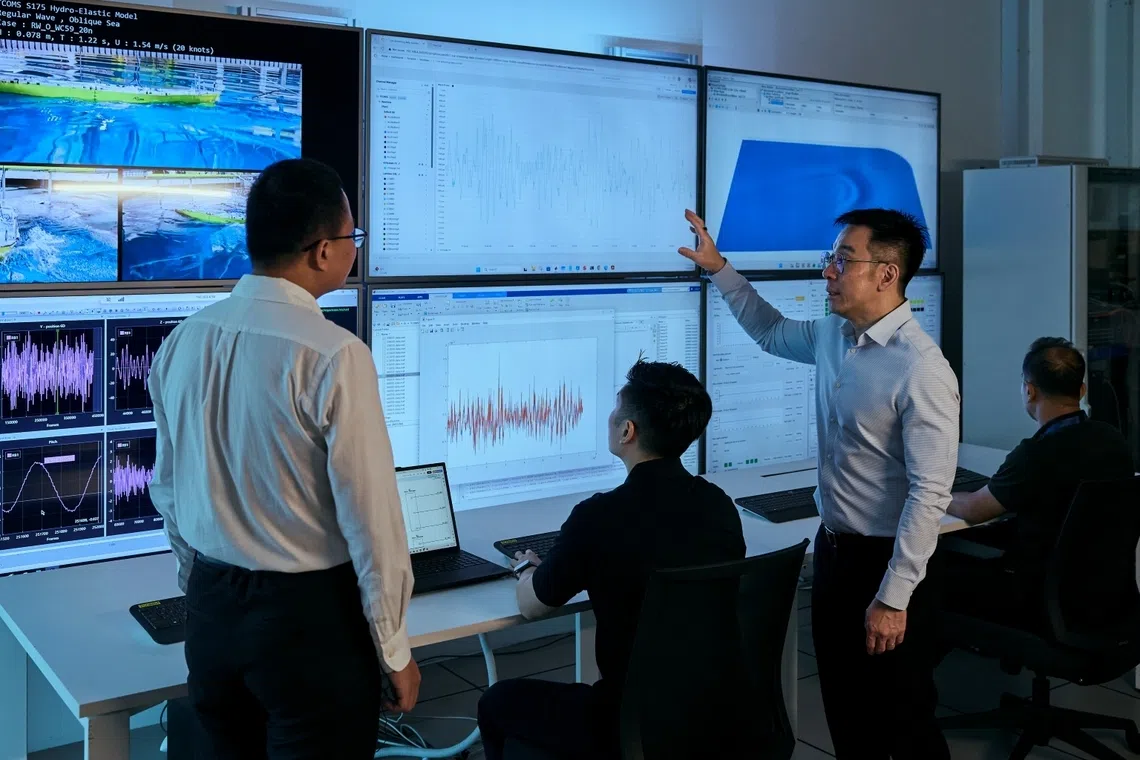
The Technology Centre for Offshore and Marine, Singapore (TCOMS) at the National University of Singapore works with MPA and industry partners to test technologies such as remotely operated and autonomous vessels.
Advancing green shipping solutions
As the industry works towards net-zero emissions, Singapore has established itself as a research base for alternative fuels and technologies. One example is the Global Centre for Maritime Decarbonisation (GCMD), a non-profit organisation that supports the decarbonisation of the maritime sector through pilots and trials.
“After the Covid-19 pandemic, we were working with many shipping companies to drive some of the key decarbonisation initiatives,” says Ng.
“We worked together to set up the Global Centre for Maritime Decarbonisation. MPA, together with six founding partners, basically formed the entity in order to drive change not just in Singapore but globally.”
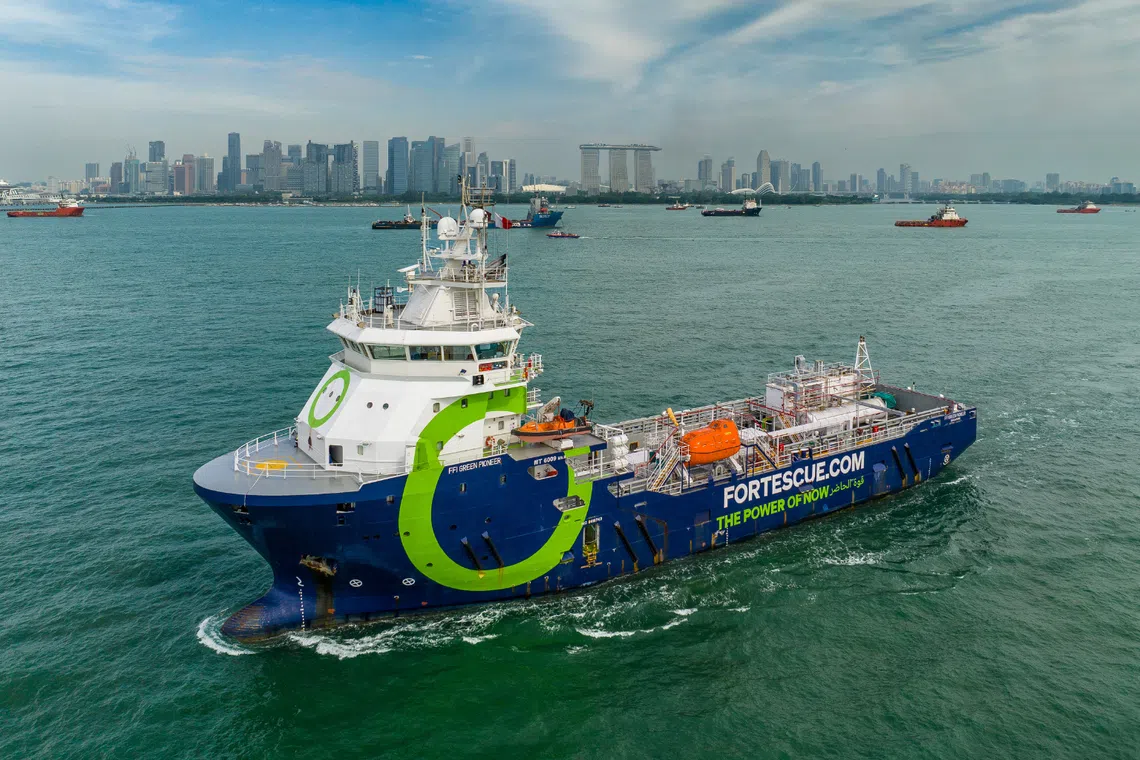
Since its launch, GCMD has led several pioneering projects to accelerate maritime decarbonisation.
One example would be the US$35 million (S$44.8 million) Fund for Energy Efficiency Technologies. It is the world’s first vessel retrofit fund to use a pay-as-you-save financing model.
GCMD has also conducted first-of-its-kind ammonia transfer pilots. These simulate the procedures needed to transfer ammonia safely between vessels or facilities – an important step if ammonia is to be used more widely as a marine fuel.
Preparing maritime talent for the future
Technology and infrastructure alone will not be enough to support this transformation. The industry will also need people with the skills to develop, operate and manage new systems.
Contrary to common perceptions, maritime careers are not limited to seafaring roles. Today’s workforce includes commercial professionals, operations specialists, engineers, data analysts, cybersecurity specialists and technology experts.
“For the industry to grow and continue to be successful, it’s important for us to have a pipeline of talent as well as to ensure that the current workforce is future-ready and has the right competencies to meet the evolving demands of the industry,” says Ng.
To meet this demand, MPA supports both new entrants and existing workers through a range of talent development programmes.
The Maritime Cluster Fund supports training and workforce upskilling, while the MaritimeONE Connect Office introduces students and young people to maritime careers.
The MPA Global Internship Award also gives students opportunities to gain industry exposure, including through overseas internships.
From digitalisation and cybersecurity to decarbonisation and talent development, Singapore’s maritime sector is reinventing itself for a new era.
“The challenge is really to see how we can prepare our people for this future,” says Ng.
Find out more about the career opportunities in the maritime industry.

Share with us your feedback on BT's products and services
TRENDING NOW

Once staunchly pro-China, Malaysian Chinese businesses are now distancing themselves from Beijing

Looking beyond looming CEO succession, should UOB potentially pursue a transformative merger?

Could stablecoins be the future of money?

Grab CEO’s wife Chloe Tong on life with Anthony Tan and finding her purpose

