Hedge fund stars spark race to cut taxes in Hong Kong, Singapore
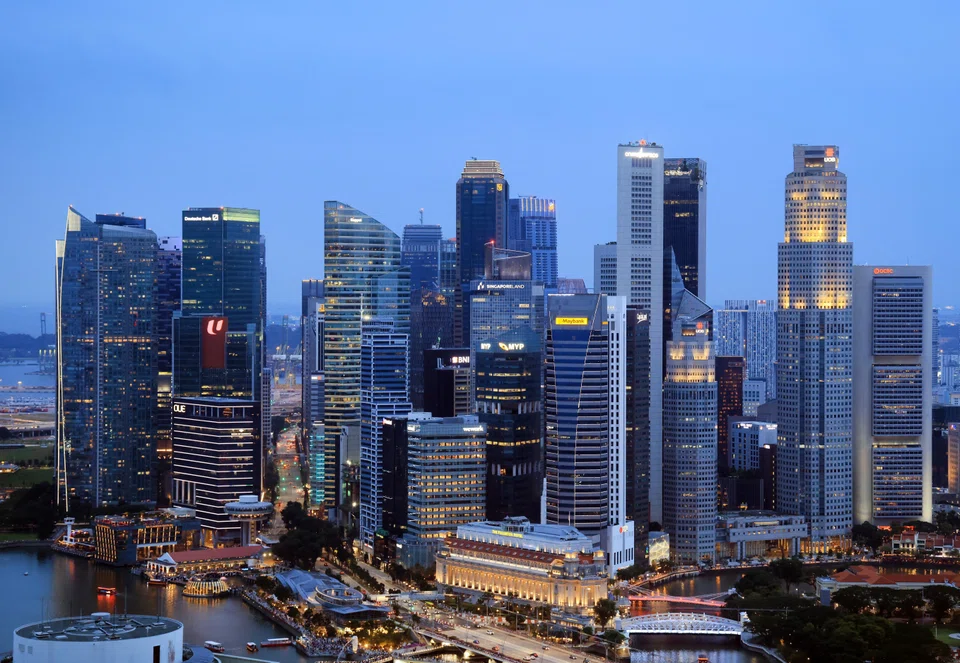
Singapore and Hong Kong each boast asset management industries worth more than US$5 trillion
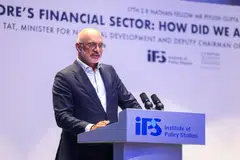
ON WEDNESDAY evening, as most of Singapore’s workers headed home, several of its leading financiers crowded into a Sofitel Hotel ballroom. The guest of honour was Chee Hong Tat, the Monetary Authority of Singapore’s deputy chairman. The topic du jour: slashing the taxes paid by hedge fund stars and other managers.
For months, Hong Kong has been openly courting the brightest minds in money management. Its most eye-catching move was introducing legislation that would erase the levies on carried interest — a shift that could be worth millions of dollars a year for high earners.
This week, Singapore fired back.
At a closed-door talk held from 6 pm in the Wallich Ballroom and hosted by the MAS’s Singapore Financial Leaders Network, a platform for the city’s finance sector leaders to network with peers and government officials, Chee spoke at length about what Singapore was doing to boost its appeal to asset management firms, according to a person familiar with the matter.
The details shared didn’t go far beyond what had already been released five hours earlier via the press. But that short statement — which pledged tax exemptions that could potentially go even further than Hong Kong — has set Singapore’s finance community alight.
It sparked furious activity among the WhatsApp groups of fund managers and a barrage of calls to tax consultants from companies and individual portfolio managers, said people familiar, who asked not to be identified discussing a private matter.
The move is the latest chapter in a long-running battle for firms and people between Singapore and Hong Kong, which each boast asset management industries worth more than US$5 trillion.
The exact details are still unclear and Chee told the gathered finance leaders on Wednesday night that more would be revealed at the next annual budget, which typically takes place in February. But what is clear is that asset managers in Asia are now entering a new era, with intensifying competition between financial hubs promising a windfall for some of the financial industry’s biggest earners.
“Hong Kong moved quickly and proposed tax rules to stay competitive,” said Will Tan, managing partner at Principle Partners, a search firm with offices in Singapore and Hong Kong. “Singapore has decided it needs to move as well to stay ahead.”
SEE ALSO


Rethinking moves
Singapore’s core proposal is to exempt a share of profits made by fund managers and investment professionals when they deliver “strong returns” for investors in qualifying funds — a move that appears to match Hong Kong’s recently announced plan to slash taxes on carried interest.
Several executives at Singapore-based hedge funds said the move already had an immediate impact, helping delay demands from some staff to move to Hong Kong. With 2027 applications for international schools often closing by November, many portfolio managers with families were under pressure to make decisions soon.
Some fund managers who were in the process of reorganising their operations and the locations of their top employees from Singapore to Hong Kong are now rethinking the decision, according to a tax adviser who asked not to be identified discussing client information.
“It gives people reason to pause and at least wait for further details,” said Quantedge Capital Pte chief executive officer Suhaimi Zainul-Abidin, whose Singapore-based hedge fund managed US$7.2 billion as of July.
But other hedge fund executives said it was far too early to conclude which city would win. One told Bloomberg it was impossible for firms and professionals to say how much better off they were until the details emerged.
For example, fund managers at multi-strategy firms — also known as pod shops — want to know whether the proposed tax exemption will apply to their own pods rather than their company’s overall profits. That could make a big difference to a booming part of the hedge fund industry typified by the likes of Millennium Management and Balyasny Asset Management.
Where most interpret Hong Kong’s tax exemption as going down to the individual portfolio manager’s performance, Singapore’s could theoretically apply only at the fund level, said a tax expert who asked not to be named.
It is also unclear whether other professionals whose work supports investment managers could benefit. Hong Kong’s proposal set off a flurry of interest from analysts, lawyers and other staff as to whether their compensation might take advantage of the changes.
The details may lead to some disappointment. Part of the excitement around Hong Kong’s efforts was quashed last week after it issued a clarification on which types of firms and individual staff would be covered. It ruled out prop trading firms and offered more clarity about the types of employees who could benefit.
Even so, the biggest losers from Singapore and Hong Kong’s bid to attract fund managers could be London and Dubai. With the UK ramping up efforts to levy the rich and missile attacks continuing in the Gulf region, stable low-tax Asia look increasingly attractive.
Investment programme
The MAS also said it would launch a new hedge fund investment programme to anchor managers in the city-state. Several experts expect it to echo the city’s Equity Market Development Programme, which is placing S$6.5 billion with investment firms willing to ramp up their purchases of Singapore-listed stocks.
“It’s not going to be a huge game changer, especially if it’s allocated to some of the bigger firms,” said Quantedge’s Suhaimi. “But it’s symbolic and could be meaningful, especially if they make a point to invest in local managers.”
Singapore will also loosen some income requirements for its Overseas Networks & Expertise Pass visa programme. Where it previously required a base salary of S$30,000 a month — a challenging ask in an industry where compensation is often driven by bonuses — this can now include other forms of income for senior executives in the asset management industry.
The most likely impact will be a simplification of tax strategies in Singapore. Most firms typically move a portion of their profits to a variety of costly offshore vehicles to lower the tax burden or recategorise it as capital gains.
“We expect fund managers will consider moving their carried interest vehicles onshore to Singapore to benefit from the tax exemption, which should further boost the Singapore asset management industry,” said Thomas Kim, partner at Hogan Lovells Cadwalader.
The bigger question may be how taxpayers in both cities react to the optics of governments giving more tax breaks and improved conditions to some of the richest people in finance, especially at a time of widening wealth inequality and rising inflation.
Chee said aiming the changes at profit-related returns meant it was a targeted programme that would grow the industry, with the gains spreading to a wider pool of Singaporean society.
But Patrick Yip, a tax adviser at law firm Karas So LLP said that the taxes in Hong Kong and Singapore were already low, meaning further cuts might not do much to shift the needle for asset management executives considering where to set up shop.
“It is a race to the bottom that may not be healthy for sound tax policy for either Singapore or Hong Kong,” he said. “The perception is the rich would get richer while the common folks don’t get a break in the midst of rising inflation.” BLOOMBERG
Decoding Asia newsletter: your guide to navigating Asia in a new global order. Sign up here to get Decoding Asia newsletter. Delivered to your inbox. Free.
Share with us your feedback on BT's products and services