How Singapore’s monetary policy works

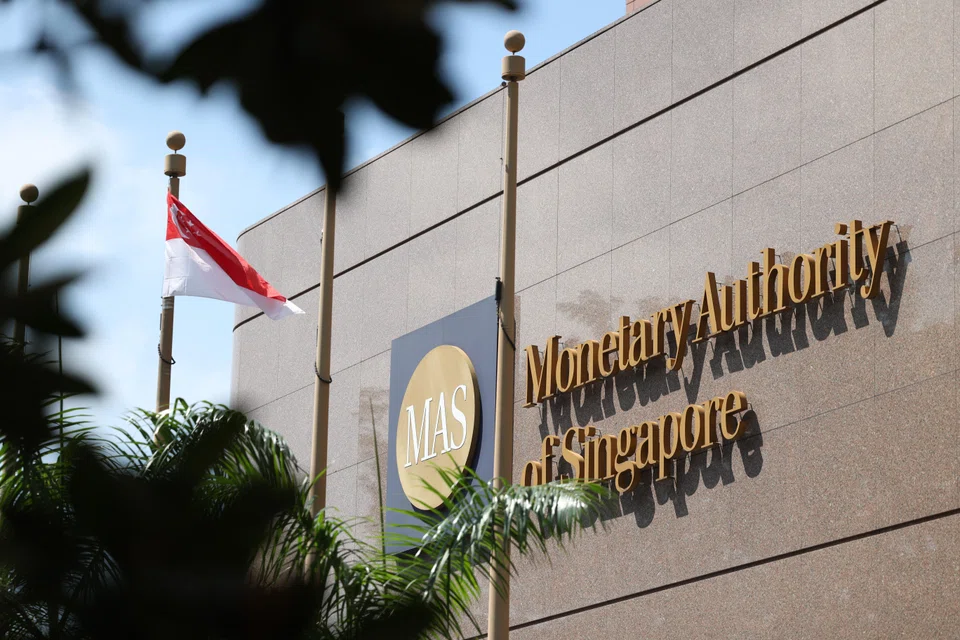
THE Monetary Authority of Singapore (MAS) conducts monetary policy to ensure medium-term price stability in its drive to promote sustainable economic growth. It aims to ensure that inflation stays low and stable over time periods of more than a year, so that households and businesses can plan ahead and support a competitive export industry.
While most other economies conduct monetary policy through domestic interest rates, MAS has, since 1981, done so by managing the exchange rate. The central bank does this by buying and selling Singapore dollars. With the small and open economy’s heavy dependence on trade, the exchange rate has a greater influence over domestic inflation than interest rates.