NEA to commission studies on nuclear safety, global best practices, environmental impact
These will help in assessing the feasibility of nuclear energy use in Singapore

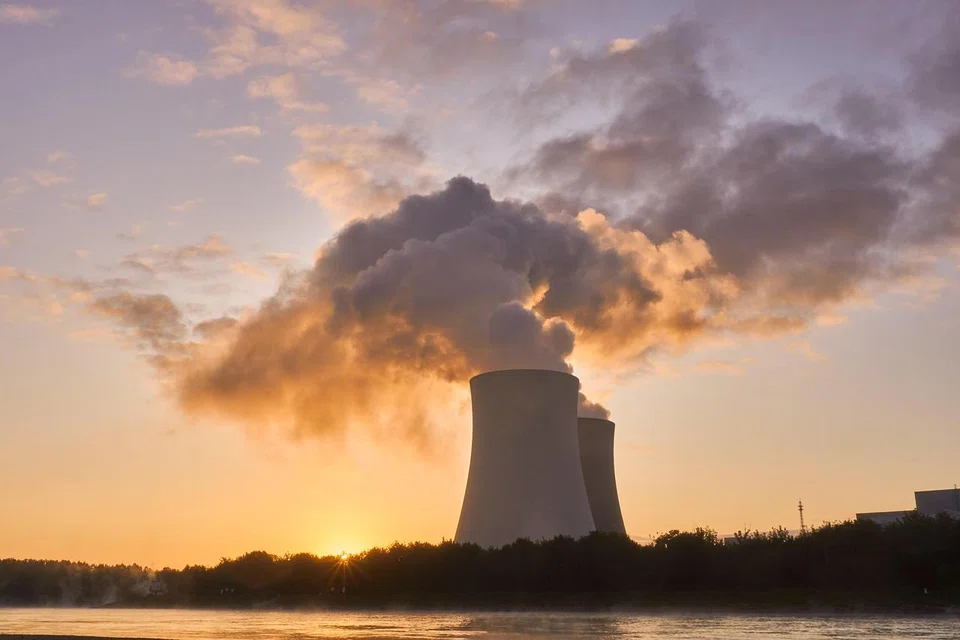
[SINGAPORE] The National Environment Agency (NEA) will commission three comprehensive studies on nuclear safety frameworks, global best practices and environmental impact, it said on Thursday (Mar 26).
The first study will examine the safety standards adopted by international organisations and national regulators. This includes reactor design, operational safety, necessary safety systems and accident prevention protocols.
The second will review international environmental standards and existing regulatory frameworks specifically tailored for nuclear facilities.
The third will assess the environmental considerations for potential nuclear deployment within Singapore and the broader region, with a primary focus on protecting public health and the environment.
The studies are designed to complement the work already under way by the Energy Market Authority (EMA), which is currently evaluating the technical feasibility and safety performance of advanced nuclear technologies.
NEA said: “The studies, together with our other capability-building efforts, ensure that Singapore is well-equipped with the knowledge and technical expertise to independently assess the potential for safe deployment of nuclear energy in Singapore.
“These capabilities will also allow us to contribute to strengthen regional discussion on nuclear, to better prepare for a region with nuclear power plants.”
The studies will also support preparations if countries in the region decide to deploy nuclear power, NEA added.
The agency has been developing Singapore’s nuclear safety capabilities through partnerships with the International Atomic Energy Agency, and other established regulatory bodies in Finland, France and the US. Additionally, NEA said it engages in nuclear safety cooperation discussions with regional neighbours.
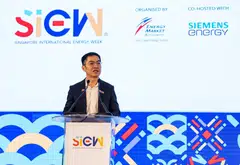
This is part of the Republic’s ongoing efforts to diversify energy sources. EMA has suggested looking into alternative fuels such as hydrogen and ammonia, as part of creating a viable path to net-zero emissions by 2050.
Singapore launched its National Hydrogen Strategy in 2022, with an aim for hydrogen to supply up to half its power needs by 2050. More than 90 per cent of the city-state’s electricity is still generated using imported natural gas.
Decoding Asia newsletter: your guide to navigating Asia in a new global order. Sign up here to get Decoding Asia newsletter. Delivered to your inbox. Free.
Copyright SPH Media. All rights reserved.