
New IP riders kick in with lower premiums, but higher out-of-pocket costs
Insurers are adjusting product features in response to the new framework
 Add BT as a preferred source
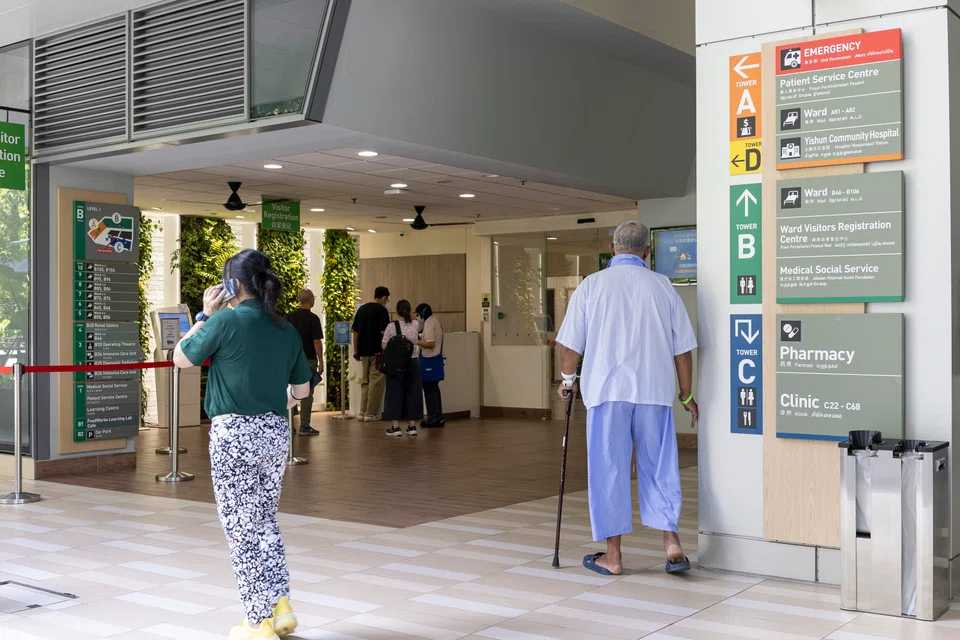
[SINGAPORE] New Integrated Shield Plan (IP) riders rolling out on Wednesday (Apr 1) will cut premiums by up to 80 per cent in some cases, but shift more healthcare costs to policyholders through higher co-payments and deductibles.
The changes follow government intervention announced last November, when the authorities stepped in to tighten the design of IP riders to rein in rising private-healthcare costs. Riders will no longer cover the minimum IP deductibles, while the co-payment cap – applied after the deductible – will be doubled to S$6,000.
Insurers say the trade-off is significantly lower premiums.
At a media briefing on Tuesday, Great Eastern noted that its new riders result in average annual premium savings of around 42 per cent, with similar reductions seen across various age groups.
Similarly, AIA and Prudential told The Business Times that their new riders will reduce premiums by 30 per cent. Singlife, on the other hand, is reducing premiums for its new riders by a range of 30 to 84 per cent.
Income Insurance reported average premium savings of 32 per cent with its new IP riders compared with existing plans. For restructured hospital plans, savings average 47 per cent, while private-hospital plans see a reduction of 26 per cent. The exact savings vary based on the plan type and policyholder’s age, the insurer told BT.
Navigate Asia in
a new global order
Get the insights delivered to your inbox.
This is in line with estimates from the Ministry of Health (MOH) in November, where premiums for new riders were expected to fall by about 30 per cent under the revised rules, translating to average annual savings of S$600 for private-hospital IP rider policyholders and S$200 for those on public-hospital IP riders.
MOH said in a statement on Wednesday that these new IP rider products will have premiums that are around 35 to 40 per cent lower and up to 68 per cent lower, on average, when compared with legacy riders with maximum coverage. The ministry noted that IP rider policyholders can also continue to tap their MediSave to offset the co-payment amounts for their hospital bills, subject to the withdrawal limits.
Dr Sidharth Kachroo, chief health officer at Prudential Singapore, said: “IPs add value by providing individuals with a wider choice in the type of care they receive. When coupled with a rider, it expands that set of options and the breadth of coverage for the consumer, especially those who want private care.”
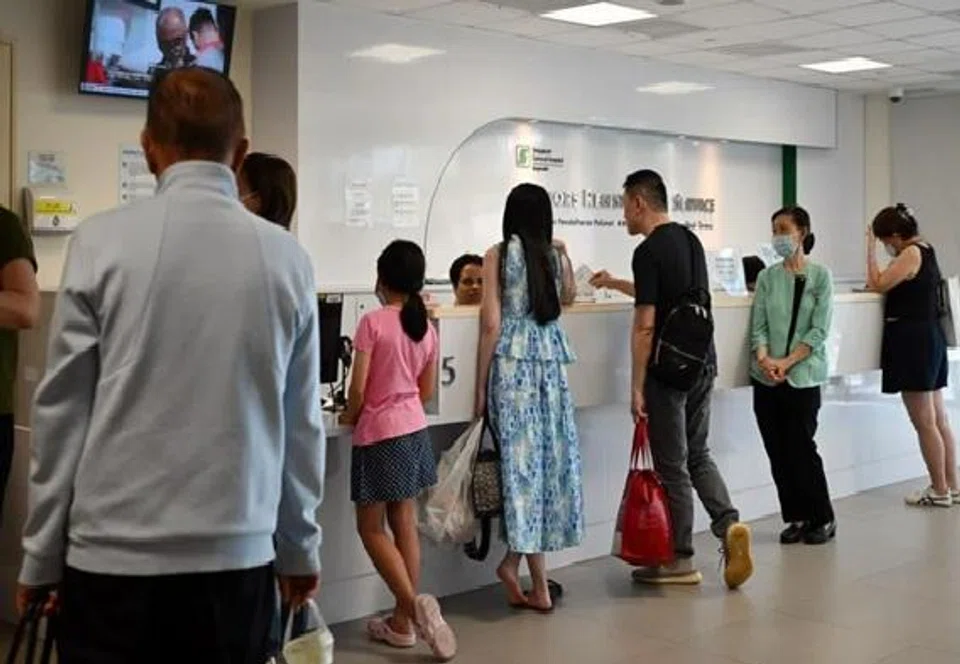

IPs are optional private insurance plans that provide coverage in addition to what is offered by MediShield Life, Singapore’s compulsory basic health insurance scheme. Riders are optional add-ons to an IP.
They have to be paid fully in cash, and are meant to reduce a policyholder’s out-of-pocket costs when making a hospital claim.
About 71 per cent of residents – around three million people – hold IPs. Of these, about two million also have riders.
MOH is encouraging existing policyholders to consult their financial advisers to review their insurance plans and understand how the new IP riders could meet their needs.
Trade-offs
The savings in premiums come with trade-offs, which insurers say are necessary to maintain the sustainability of healthcare in light of rising medical costs.
According to Willis Towers Watson (WTW), medical inflation in Singapore is expected to reach 16.9 per cent by 2026, with Great Eastern noting that the average hospital bills of its policyholders increased by 10 to 23 per cent from 2021 to 2024.
Under the new rules, co-payment caps will be raised to S$6,000 across insurers, with Great Eastern also introducing a 5 per cent co-insurance component within this cap.
“We have streamlined our rider plans and are quite confident that (they) will comply with MOH and be able to fit into most of our customers’ lifestyle,” said David Yip, head of accident and health, at Great Eastern at the media briefing.
“The purpose of the rider is to cover the big bills,” he added.
While out-of-pocket costs may increase due to the increased co-payment cap, insurers say that they remain predictable and manageable.
“Over time, this potential out-of-pocket cost difference is expected to be offset by the savings through lower rider premiums,” said Dhiren Amin, chief customer officer at Income Insurance.
Eddy Cheong, CEO at insurance advisory Havend, expects the new IP riders to shift the behaviour of medical consumption in the right direction.
“By having to co-share more of the bills, it will help to curb the buffet syndrome of overconsumption in older riders,” he said.
However, public health specialist Jeremy Lim sees the changes as “only one instrument in the policymaker’s toolkit to rein in spiralling costs”. He urged the government, if necessary, to mandate that insurance policies do not discourage medically necessary and appropriate treatment.
New benefits
Insurers are also adjusting product features in response to the new framework.
Income Insurance is launching a tiered co-payment system that differentiates between treatment at panel hospitals, extended panels, and non-panel specialists.
Meanwhile, Singlife is introducing a new benefit that covers up to S$20,000 for home nursing and rehabilitation services. AIA, on the other hand, said that its new riders will maintain core benefits, alongside higher hospitalisation coverage to supplement MediShield Life.
Prudential Singapore is introducing a retrenchment premium waiver for customers who remain unemployed for more than six months. It is also offering additional policy year limits of up to S$100,000 if hospitalisation is due to critical illnesses.
Income Insurance is launching a benefit covering cell, tissue and gene therapy that covers treatments that are not on MOH’s approved list.
Despite the differences, all IP riders remain broadly comparable across the industry, as insurers must adhere to MOH-set parameters on deductibles and co-payments.
Four out of five customers to change insurance portfolio: survey
Insurers are urging policyholders to look beyond headline premium savings to understand the full impact of changes.
A recent survey by Great Eastern revealed that while 87 per cent of customers are aware of the upcoming changes to IP riders, 64 per cent do not fully comprehend how these changes will affect their coverage.
Some 57 per cent expressed uncertainty about how to manage these new costs even as 81 per cent of surveyed customers stated they planned to make changes to their insurance portfolios due to the new IP rider structure.
Great Eastern’s managing director, Kwek-Perroy Li Choo, told BT that the insurer’s key message is one of both “choice and affordability”.
She noted that while some customers prefer care in private facilities, others are comfortable with restructured hospitals.
“We do believe in the philosophy that people shouldn’t pay for what they don’t need,” she said.
Insurance industry observers suggest that the changes to IP riders aim to balance affordability with adequate coverage.
Lim Siang Thnia, insurance sector leader at Deloitte Southeast Asia, noted that basic healthcare needs in Singapore remain well-covered with new riders helping those who find “health insurance premiums in the market too costly but want to retain some protection”.
Vincent Teo, insurance assurance partner at PwC Singapore, highlighted that patients should not lose out in the long run if “medical professionals and policyholders make informed decisions that balance clinical effectiveness with affordability”.
Decoding Asia newsletter: your guide to navigating Asia in a new global order. Sign up here to get Decoding Asia newsletter. Delivered to your inbox. Free.
Copyright SPH Media. All rights reserved.

