

From lab discovery to phase 2 trials: How a Duke-NUS team found a way to help organs repair themselves
A breakthrough finding upending assumptions about a common gene has since attracted a major pharma partner – strengthening Singapore’s position as a serious player in translational research with real commercial potential
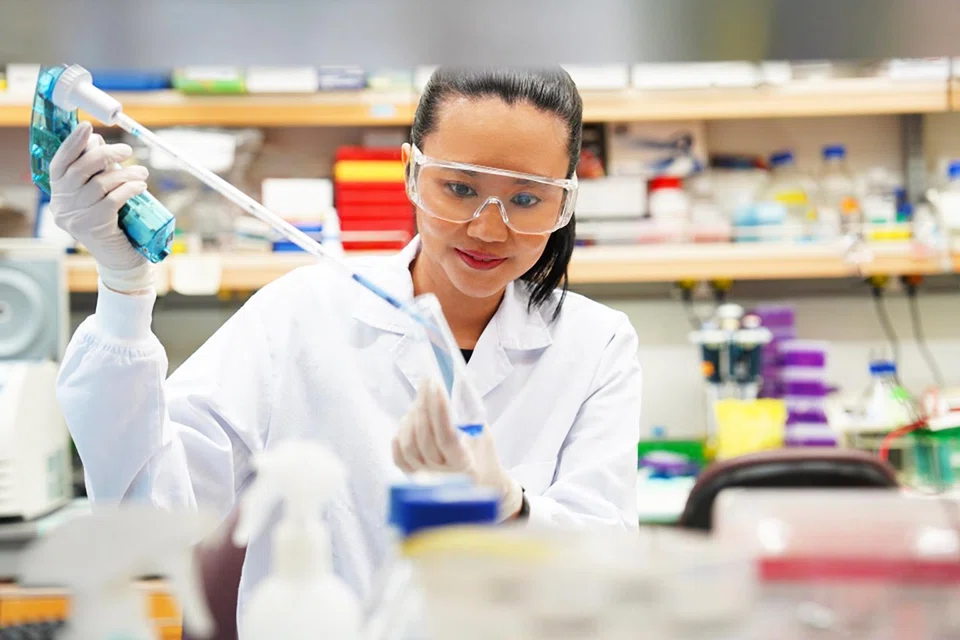
In January 2026, new treatments for a serious lung disease entered the second phase of clinical trials. As one of the few discoveries from Singapore to reach this stage, it marks a key step in translating Singapore-based biomedical research into viable therapies for patients around the world.
The therapies, which were licensed to German pharmaceutical company Boehringer Ingelheim, stem from a 2017 breakthrough by Duke-NUS Medical School and its Academic Medicine partner SingHealth. Researchers had found that interleukin-11 (IL-11), a gene long believed to be protective, was in fact causing damage instead.
Says assistant professor Anissa Widjaja, the molecular biologist who co-led the five-year research: “We found that IL-11 plays a key role in driving scarring, chronic inflammation and organ injury, which are three processes that sit at the heart of many age-related diseases and organ failure.”
Further research advanced the Duke-NUS team’s understanding of IL-11.
“When we block IL-11, we don’t just slow disease, we can actually reverse damage and help organs repair themselves,” says Prof Widjaja.
This shift has opened the door to therapies that can potentially restore function to organs such as the lungs, liver and kidneys, with broad implications for chronic disease and ageing.
With clinical development moving beyond early-stage validation into patient testing, both efficacy and commercial viability begin to take shape.
“It’s less about turning back the clock but about reducing the years people spend in poor health, frailty, weakness and disease,” says Prof Widjaja.
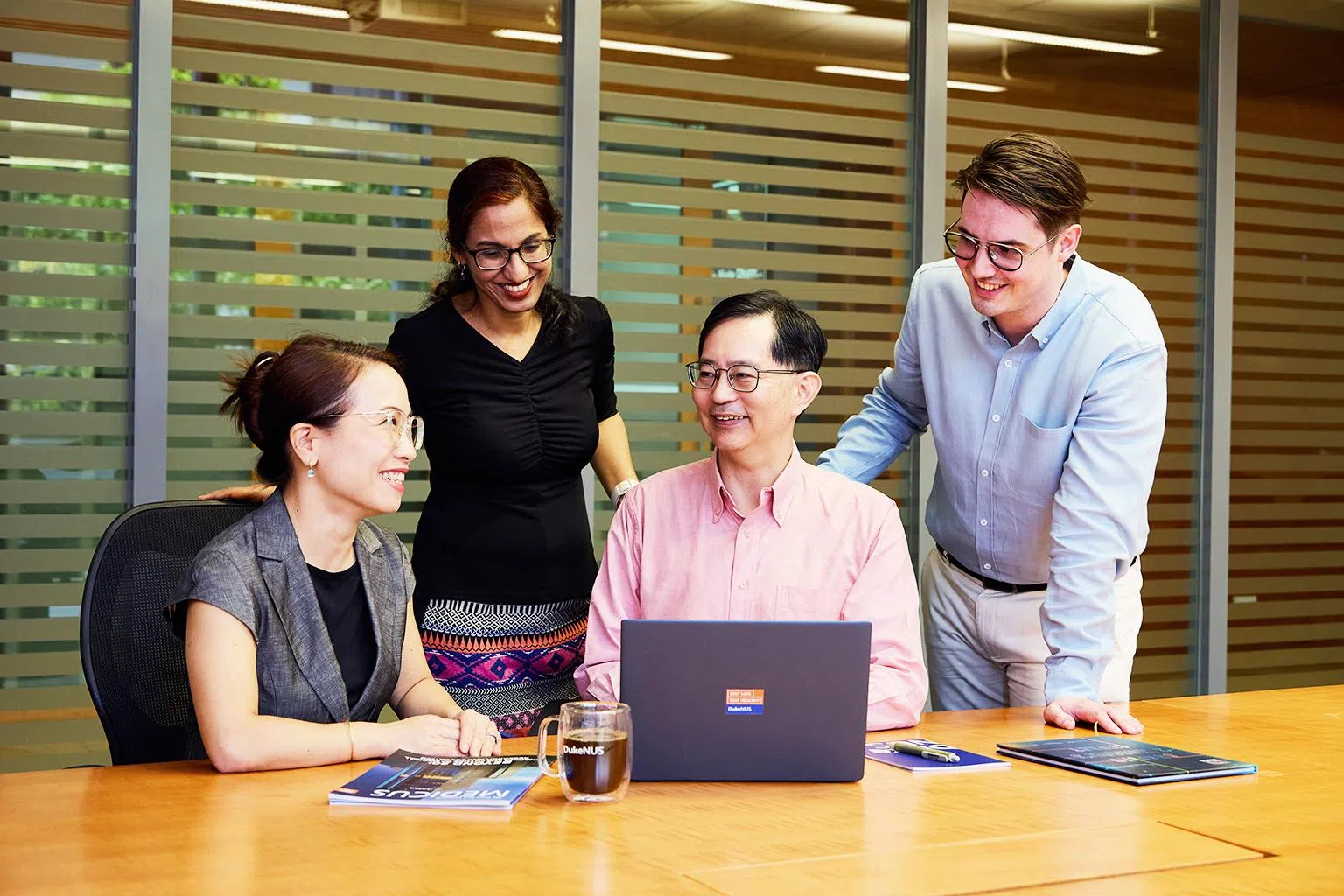
Turning research into innovation
Prof Widjaja credits the discovery to the school’s support and collaborative culture, saying: “Duke-NUS has played a very critical role in enabling my research and how I think about impact”.
Competitive grants and internal funding supported her team’s work from its earliest stages, alongside expertise in intellectual property, industry engagement, and legal and licensing. These less visible elements often determine whether a scientific idea becomes a viable therapy, she says.
“As an early career scientist at that time, having access to that ecosystem was incredibly formative.”
Today, her career spans research and leadership, where she runs her own laboratory while leading the strategic partnerships and industry alliances team to bridge scientific discovery with real-world application.
This dual role reflects an environment shaped by the school’s design from the outset.
Says the institution’s dean Professor Patrick Tan: “Duke-NUS was conceived as a bold experiment – Singapore’s first and still only graduate-entry medical school. This has fostered a culture more open to experimentation, more comfortable with interdisciplinarity, and more willing to challenge established ways of doing things,”
Since the school’s establishment in 2005, this approach has delivered tangible impact, from contributing to the world’s first FDA-authorised Covid-19 antibody test to developing Singapore’s first locally-created cancer therapeutic.
A key differentiator lies in how research is conducted. Rather than working in isolation, Duke-NUS brings clinicians, industry partners and even investors in early.
“By involving the right people from the start, we ensure our work addresses real unmet needs,” says Prof Widjaja.
Working with its many partners, Duke-NUS not only occupies a central seat in Singapore’s medical and healthcare ecosystem, but also contributes to the National University of Singapore’s (NUS) 13th-place global ranking for Medical and Health on the Times Higher Education list.
Says Professor Tan Eng Chye, president of NUS: “This long-standing strategic partnership with Duke University strengthens NUS’ global standing and accelerates translational research that addresses pressing health challenges in Singapore and beyond.”
Duke-NUS has also been recognised as one of Singapore’s Best Employers for six consecutive years – a reflection, says Prof Patrick Tan, of its workplace culture and sense of purpose.
He says: “Duke-NUS is small, but highly catalytic. People come here not just for a job, but to do work that matters and has far-ranging impact and makes a real difference in lives.”
In partnership with SingHealth, the school is part of an Academic Medical Centre that integrates patient care, training and research to accelerate the path discoveries take from lab to bedside.
SingHealth’s group chief executive officer Professor Ng Wai Hoe says: “Our partnership with Duke-NUS strengthens clinical excellence, advances translational research and develops the next generation of clinician-scientists to continually improve patient care.”

Connecting globally to drive impact
Duke-NUS’ connectivity – with SingHealth and a wide network of local and global partners – underpins its ability to drive discoveries that shape health policy, advance new therapies, and ultimately improve how millions of people live and age.
Its founding partnership with Duke University in the US reflects a deeply integrated model of academic medicine that blends clinical patient care with education and research to find new treatments.
Says Duke University president Professor Vincent Price: “Through joint programmes, shared leadership and sustained collaboration, we have strengthened research translation and clinician-scientist development, generating impact in Singapore, the US and beyond.”
This enduring partnership, together with Singapore’s cosmopolitan environment, has fostered a culture where diversity of talent and perspectives is, as Prof Patrick Tan puts it, “not cosmetic”.
“It improves the science, broadens the thinking, and strengthens our ability to solve complex problems,” he says.
For faculty like Prof Widjaja, that global outlook opens doors beyond Singapore. She has been nominated by the US Department of State for the International Visitor Leadership Programme – an opportunity to build deeper international partnerships to advance care and outcomes for patients.
She says: “The problems we work on are too complex for any one institution – or even one country – to solve.”

Share with us your feedback on BT's products and services
TRENDING NOW

Could stablecoins be the future of money?

Once staunchly pro-China, Malaysian Chinese businesses are now distancing themselves from Beijing
Global expertise and tailored solutions: How affluent S’poreans can grow and manage wealth across markets
GIC-backed Bank Jago sees wealth management as next growth engine as Indonesian investor base grows

