Risis strikes gold by targeting young with fresh designs and upping its game online
Digital sales blossom as company works to update its business model and products

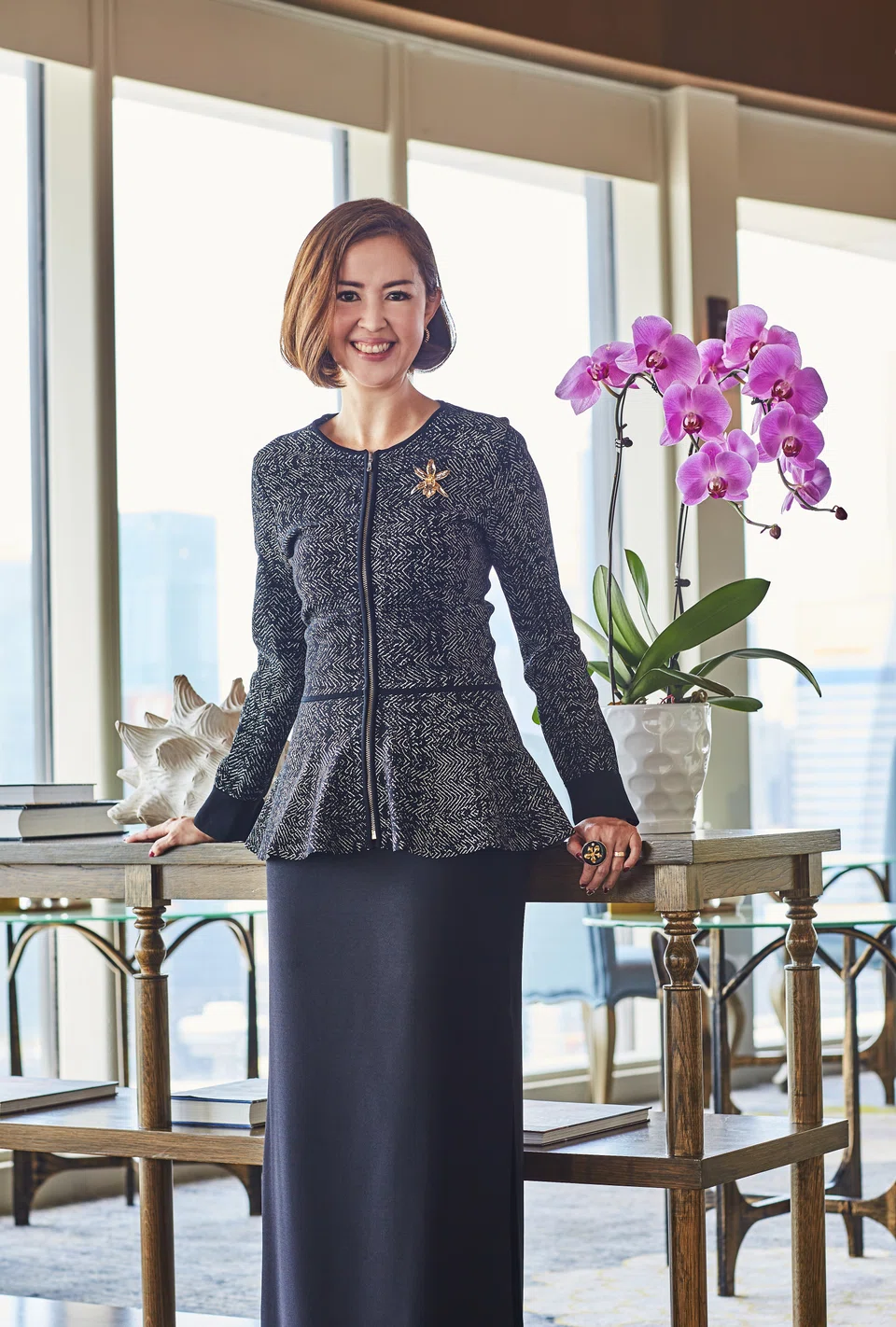
[SINGAPORE] Renowned worldwide for its gold-plated orchid souvenirs, Risis is refashioning itself as an accessible luxury brand while telling the story of Singapore’s heritage to the world.
After “re-engineering” the company to achieve a turnaround during Covid, chief executive officer Verene Ng’s new goal is to sell the Singapore brand’s story in a way that resonates with global consumers.
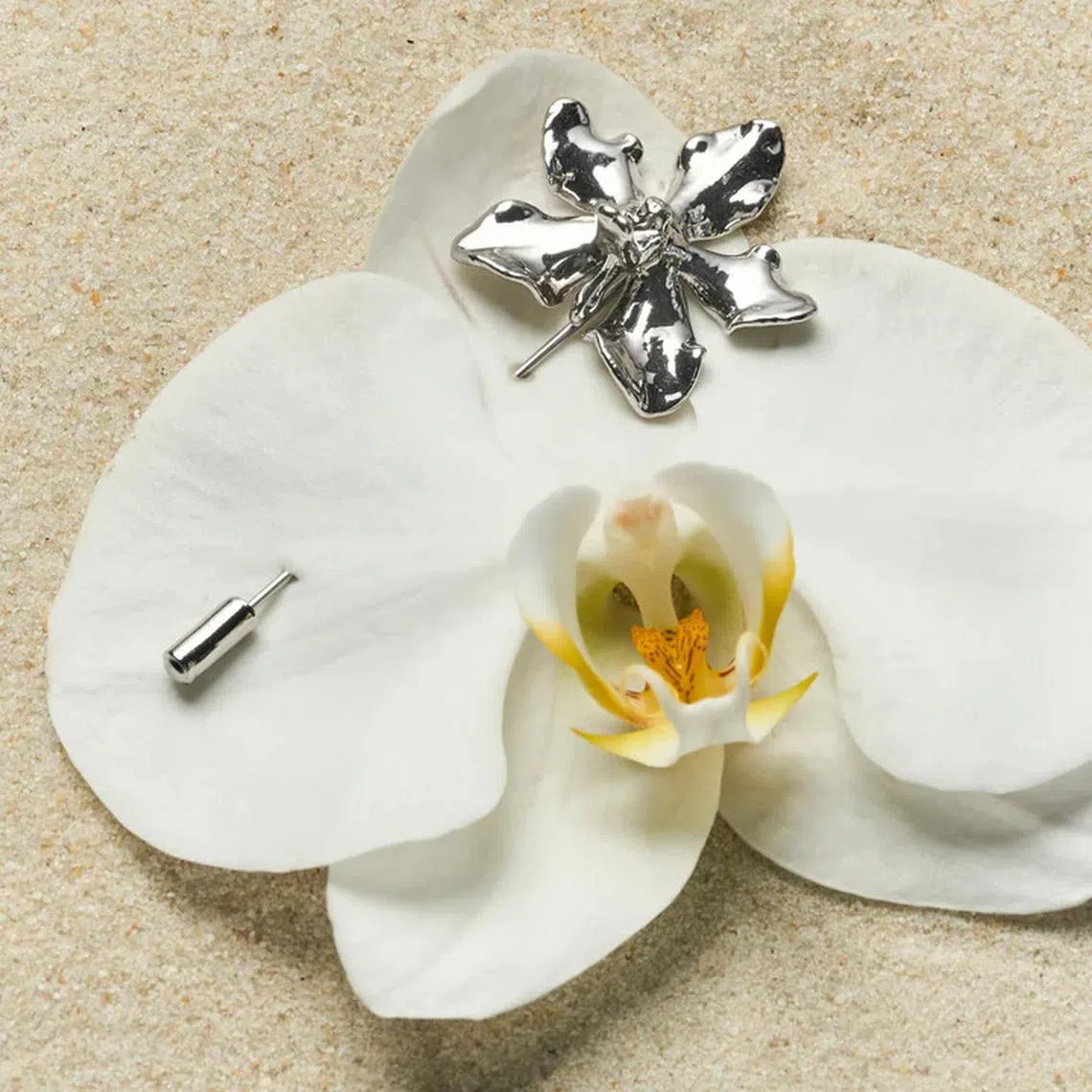
The local jewellery brand’s story started in 1976 when Singapore scientists under the then Singapore Institute of Standards and Industrial Research (Sisir) discovered a way to gold-plate natural orchids using two proprietary technologies to preserve the flowers forever.
“This is how we got the name – the reverse of Sisir,” said Ng. The gold-plated orchids soon caught on and became a well-known and popular souvenir that tourists and even locals snapped up.
Retail is pillar, but e-commerce is driver
Decades on, BP de Silva Group, a longstanding local jewellery house, bought Risis in 2000 and continued its business model in producing souvenirs and other corporate gifts.
During the Covid-19 pandemic when travel plunged, sales of corporate gifts and souvenirs dived 80 per cent, pushing Risis into the red.
After Ng joined the brand in 2020 from a sister BP company, she moved to consolidate the physical stores, manage inventory, ramp up e-commerce growth with social media marketing, as well as refresh the designs.
While retail remains a main revenue pillar, Ng’s “big gamble” to return the company back to profitability via online sales paid off. E-commerce revenue more than doubled from pre-Covid times. The US market, in particular, stood out with a 121 per cent online sales jump last year.
“Global expansion-wise, the key driver will have to be e-commerce,” noted the CEO, adding that the company is doubling down on digital marketing this year to amplify the brand’s presence.



Make heritage relevant with design innovation
Another challenge was Risis’ image. When Ng joined the company, she noted that its orchid-related jewellery designs were perceived as “dated”. As part of the re-branding efforts, she initiated collaborations with four fashion designers to create products that would balance elements of local heritage with the evolving tastes of modern Singapore customers.
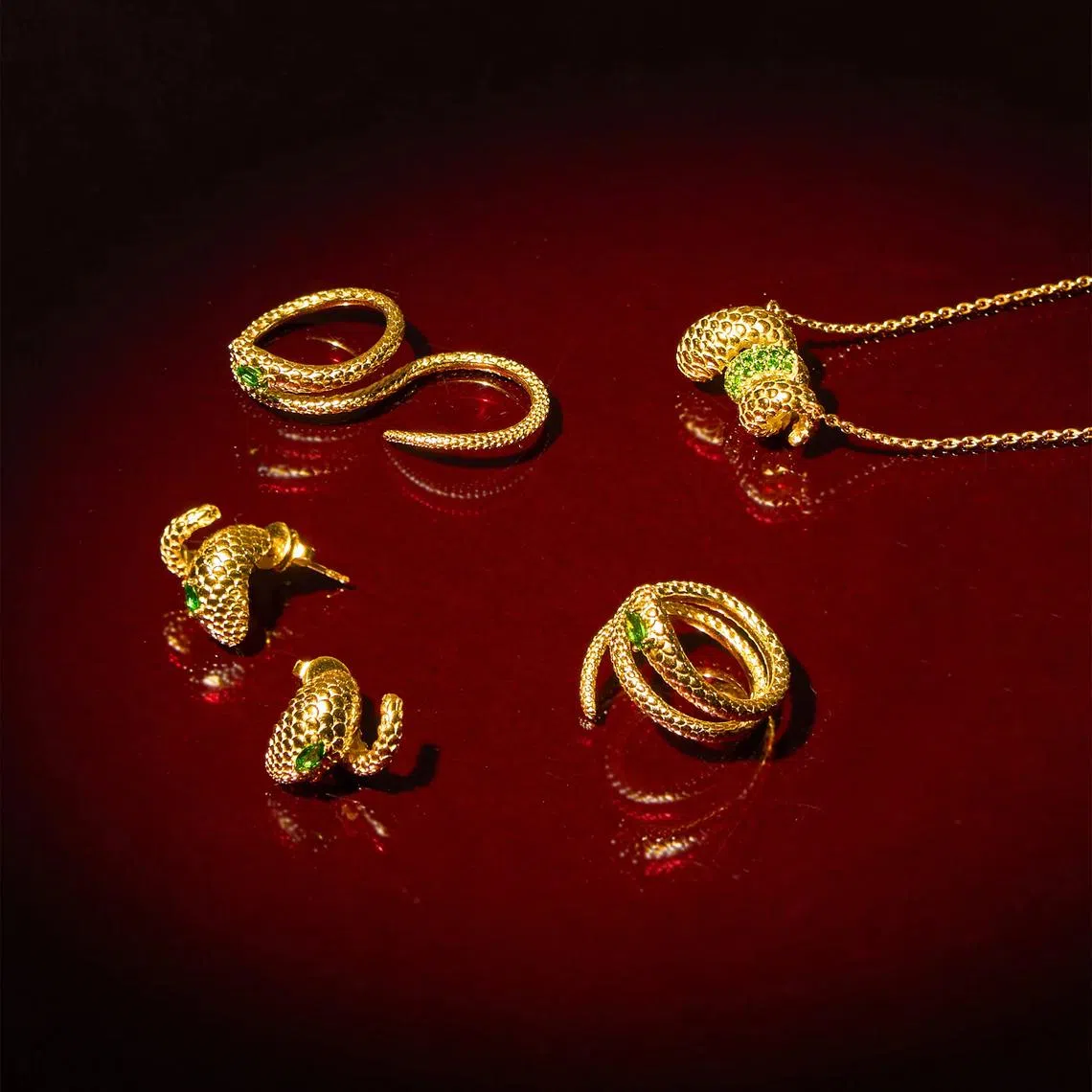
Every piece now tells a story. Examples include the Sweet Nyonya collection that takes inspiration from kueh kapit, the traditional Peranakan delicacy that is also known as love letters.
“Although I think we have really done quite well, there’s still room for improvement, to really transform the old perception of the brand, as a souvenir brand, to a luxury yet accessible jewellery brand,” said Ng.
Today, those aged 25 to 35 form the biggest group of customers, followed by the group of 35 to 45-year-olds.Together, the groups make up more than 60 per cent of Risis’ customers.
This also highlights the need for a variety of collections, from dainty, daily pieces to statement pieces that stand out, she observed.
Such collections range from Nyonya flower-inspired dainty earrings to pearl necklaces featuring preserved natural orchids that can be worn in different ways.
Expanding overseas
A key prong of Risis’ business plan has been to expand overseas.
Ng said that the name has been trademarked in 37 countries and will be retained as the brand’s presence grows abroad.
But, among the challenges in positioning the brand overseas is telling the Peranakan story to customers.
“We need to tell the story in ways more relatable in their own lingo, and maybe design pieces that resonate with the locals there,” she noted, adding that the company is still navigating the process of adaptation in terms of both marketing and design.
Risis chose the US as its first overseas destination in the West because it had been receiving organic orders from the market even before it launched social media campaigns targeting the region.
It launched its products for the US market in the second half of last year after engaging with US content creators on Instagram.
There has been a spillover effect in other Western markets. Risis has been getting more orders from European countries such as the UK and Germany without any direct marketing efforts.
China is another key market for the brand. A distributor there was engaged last December to expand sales via Chinese social networking and e-commerce platform Xiaohongshu.
Ng noted that the company is implementing an integrated customer relationship management system this year to understand the customer profiles across geographies more thoroughly, and track customer buying both online and offline “like a seamless omnichannel touch point”.
More than jewellery
Besides jewellery, Risis also has products for the lifestyle retail and corporate segments.
From customisation to engraving services, its corporate offerings contributed about 20 per cent to its top line.
This includes bespoke necklaces the company has created for the winners of HSBC’s women’s golf tournament since 2023.
Incorporating lifestyle products into retail offerings seamlessly is Ng’s plan for the retail segment.
“I look up to (luxury jewellery brand) Tiffany as the brand that I want ourselves to aspire to, because Tiffany does it so tastefully that (it) can house (its) home and lifestyle section, and (its) jewellery business together in the same boutique,” she said.
She hopes Risis will grow into a lifestyle brand that values craftsmanship and tells interesting stories through each product, be it a necklace or a pair of chopsticks.
Next steps
Besides laying the groundwork for the China market and continuing to strengthen its social media marketing for the Western markets, Ng is also eyeing South-east Asia as a key region for growth.
In particular, she is looking more closely at Thailand and Indonesia.
She added that she has been in talks with potential partners in Thailand over the options available to set up a manufacturing plant as well as a distribution chain.
However, the CEO highlighted that there are challenges in scaling up the manufacturing capabilities, given that there is “a steep learning curve” involved in the production of Risis’ products. This is in addition to the cross-border regulatory clearances that are “not straightforward”, which the company is still tackling step by step.
“The challenge we have as a local SME (small and medium-sized enterprise) is limited resources,” said Ng, adding that despite governmental support, the company needs to manoeuvre resources strategically.
This includes a focus on inventory management, given the record-high price environment for its raw material – gold – as well as strategic product launches.
“So sometimes we come up with limited-edition collections to see if (they) resonate well with our target audience. If (they) do well, we will launch more.” Controlling the inventory exposure helps Risis better manage costs, she noted.
Besides building reliable partnerships, amplifying the brand in creative ways is also key to global expansion.
Excited about a trip to Paris for a product showcase in June, Ng said she is looking forward to connecting with businesses there to explore a potential franchising distribution partnership, as well as with marketing agencies based there.
“I hope that (growing the brand in France) can (take) the brand to the next level… and to really change the perception that the orchid is a bit dated.”
Decoding Asia newsletter: your guide to navigating Asia in a new global order. Sign up here to get Decoding Asia newsletter. Delivered to your inbox. Free.
Copyright SPH Media. All rights reserved.