

Saying goodbye, for real, to the era of accommodative monetary policy
Inflationary risks are materialising, and even turning into longer-term trends

AMID low inflation, much of the last decade was marked by an accommodative monetary policy stance globally – low interest rates and ample liquidity.
This, however, was upended when the Covid-19 pandemic hit and triggered the first wave of high inflation.
The post-pandemic world has not seen a return to pre-pandemic norms. Four years on, it seems safe to say that the era of low interest rates is over, going by the structural shifts that have taken place.
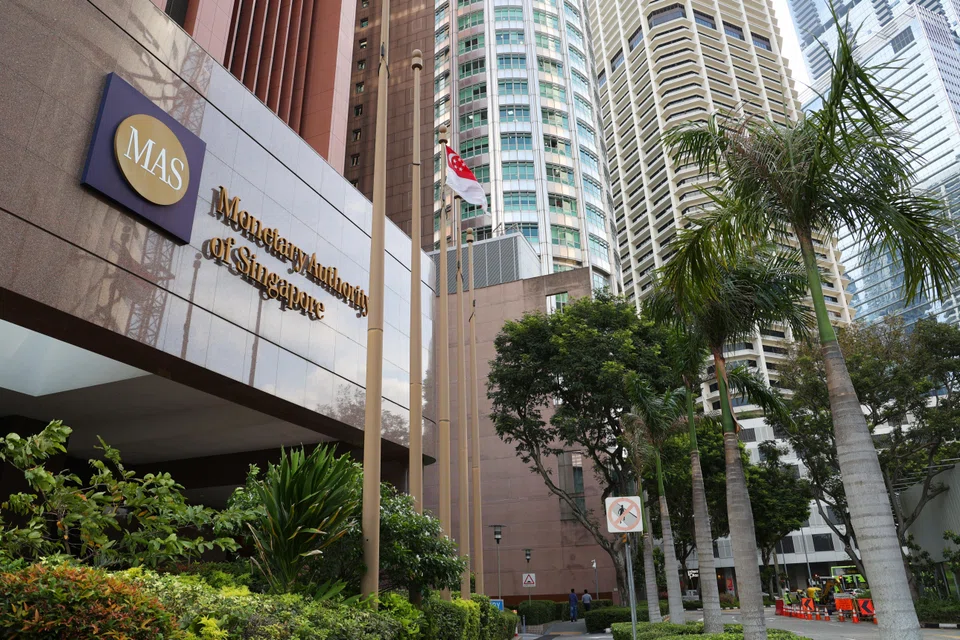
At a media conference on Thursday (Jul 18), Singapore’s central bank chief Chia Der Jiun highlighted several of these supply-side shifts, noting that the Monetary Authority of Singapore (MAS) is alert to the risks they pose to global inflation over the medium term.
These shifts include geopolitical tensions and rising protectionism, lower labour-force growth, as well as climate change and the worldwide transition to net-zero emissions.
These supply rigidities could increase inflationary pressures, compared with the norms in the decade before Covid-19 – and this means monetary norms, too, will change.
“If the structural shifts to supply prevail, global monetary policy is unlikely to go back to the highly accommodative stance pre-Covid,” concluded Chia, managing director of MAS.
From risks to trends
There are signs that these risks have begun to materialise – such that it may be fitting to call them trends instead.
Consider the turmoil in the Red Sea, alongside conflict in Europe and the Middle East, and how these have disrupted shipping, production and the flow of goods. Worryingly, these may indicate a trend of more frequent geopolitical clashes.
Protectionist policies are increasingly normalised, as evidenced by tariffs and export restrictions in some regions and the fact that it has been more than six years since US-China trade tensions began.
The net-zero transition is well under way, with committed countries unlikely to turn back. This process of decarbonisation comes at a cost, given the investments required.
Meanwhile, many developed countries struggle with ageing populations and are unlikely to reverse this demographic trend, with severe implications for their long-term labour supply.
By now, all these phenomena are hardly uncertainties any longer, even if the true extent of their impact may be difficult to quantify at this point.
It is easy to feel nostalgia for the bygone era of low interest rates and easy liquidity. But perhaps it is worth recalling that, back then, analysts did question whether a loose monetary policy stance was hurting the global economy by raising downside risks for growth.
In a 2019 blog post, the International Monetary Fund warned that loose financial conditions “encourage investors to take more chances in a quest for higher returns; so risks to financial stability and growth remain high in the medium term”.
This suggests that perfect financial conditions may not exist. Just as a loose monetary policy environment was not necessarily a golden age, it is also not guaranteed that a tighter environment means doom and gloom.
Rather than feeling nostalgic, it is better to confront the realities of a tighter environment.
MAS’ chief economist Edward Robinson pointed out that the pre-pandemic “quiet inflation period” enjoyed by many countries, including Singapore, was due to “a confluence of factors”. “We don’t think that particular coincidence would either be repeated or sustained in the period ahead,” he noted.
Still, even as inflationary risks materialise, there is a potential mitigating factor. Artificial intelligence could prove to be a disinflationary force if it relieves supply constraints and increases productivity – though it remains too early to tell how much it will manage to do so.
Said Robinson: “It hasn’t emerged as such, (but) the potential for it doing so is certainly great, and if it does materialise in the decade ahead, I think there will be important impacts on productivity and therefore on the supply side of the global economy.”
TRENDING NOW

Grab CEO’s wife Chloe Tong on life with Anthony Tan and finding her purpose

What role can Japan play in Asean’s future?

He built the Vingroup empire. Now South-east Asia’s richest man is handing some key roles to his sons
Asean’s challenge is to become resilient against global geopolitics: former Indonesia trade minister

