Singapore businesses keeping close watch on trade policies under Trump 2.0
Brace for tariff hikes but also stay nimble to take advantage of new opportunities, advise business leaders

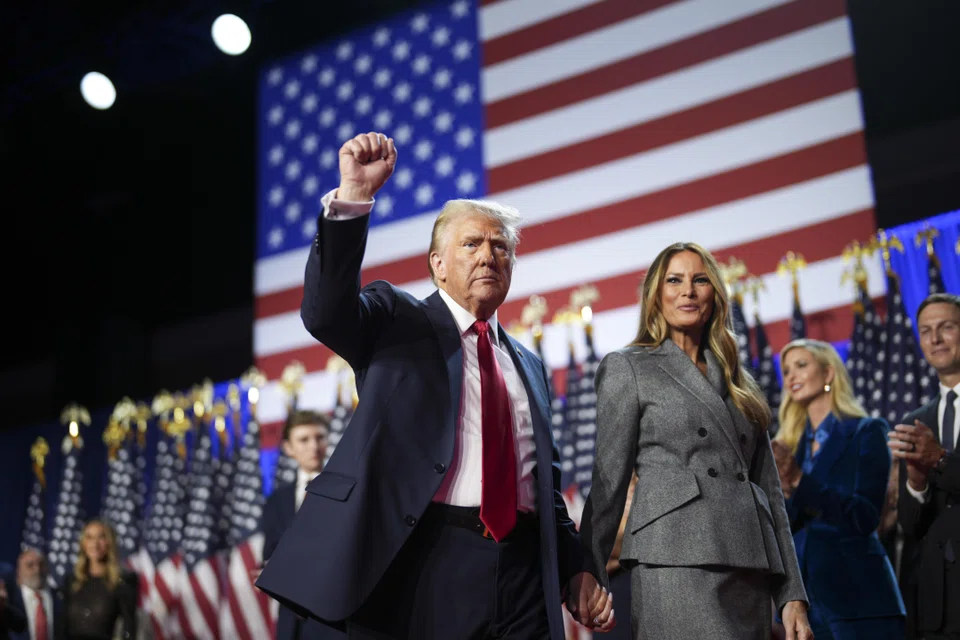
SINGAPORE businesses are keeping a watchful eye on how US President-elect Donald Trump’s second term in the White House could impact global trade policies and business costs.
“We’re closely monitoring potential shifts towards protectionist trade policies, especially those involving increased tariffs on imports,” said Singapore Manufacturing Federation (SMF) president Lennon Tan.
“Singapore’s manufacturing sector is significantly connected to the global supply chain, particularly with the US and China,” said Tan. “Any heightened trade barriers or tariff hikes could indirectly raise costs for our manufacturers and disrupt established supply channels.”
This is especially so for manufacturers sourcing from or exporting to the US, he said, adding: “This may also pressure our manufacturing exports, as many of our businesses operate within intricate global supply chains that link to China and other markets affected by US policies.”
Trump has said that he plans to slap tariffs of 60 per cent or more on Chinese goods, and wants to impose a blanket tax of up to 20 per cent on all other imported goods.
Analysts have warned that the higher tariffs could mean Singapore and Asia may face slower growth, higher production costs and a fall in investment flows.
David Kelly, executive director of the British Chamber of Commerce Singapore, said it closely monitors global political and economic shifts to assess their impact on international businesses in Singapore and the region.
“Our focus is on helping members navigate local and regional markets, fostering a thriving business environment here in Singapore,” he said. “We will continue to work in parallel and collaborate with our colleagues at the American Chamber of Commerce Singapore to strengthen our business communities in this vibrant market.”
Threats, but also opportunities
Yet businesses are also on the lookout for potential opportunities that may arise from Trump’s second term.
For instance, said SMF’s Tan, trade tensions between the US and China may position Singapore as a strategic alternative for US companies seeking to diversify away from China.
Some businesses are not too spooked by the impending tariff hikes, said Association of Small and Medium Enterprises (Asme) president Ang Yuit, given that they have already weathered the tariffs imposed during Trump’s first term.
In fact, the Biden administration had continued most of the tariffs against China, noted Ang.
“The reality is that the trade war wasn’t any substantially better under the Democrats than under Trump,” he said. SMEs have also spent the last eight years reconfiguring their supply chains to be more resilient.
Ang also sees Trump’s desire to end Russia’s war in Ukraine and to bring interest rates down as positive signs to boost the global economy and raise business sentiment.
Staying nimble
In preparation for any policy changes, industry bodies are advising their members to stay nimble and agile.
“Companies in Singapore will need to remain focused on adaptability and resilience,” said SGTech chairperson Nicholas Lee. “Many have developed agile strategies, drawing on lessons from past experiences, to manage potential disruptions and minimise impacts on operations.”
SMF is preparing its businesses to adapt to evolving trade dynamics and securing Singapore’s position as a resilient link in the global supply chain, said Tan.
“Our businesses may need to stay agile and adapt by reviewing supply chains, exploring new partnerships, and investing in technologies to mitigate rising costs and potential disruptions.”
Asme’s Ang said companies need to be agile and act fast when new opportunities show up. With Asean being a key growth market, he is optimistic that US companies will be interested in the region.