

Singapore workers feel trapped over mismatch in expectations amid ‘job-hugging’ trend: experts
Employers, on the other hand, believe they are rocking away on employee expectations
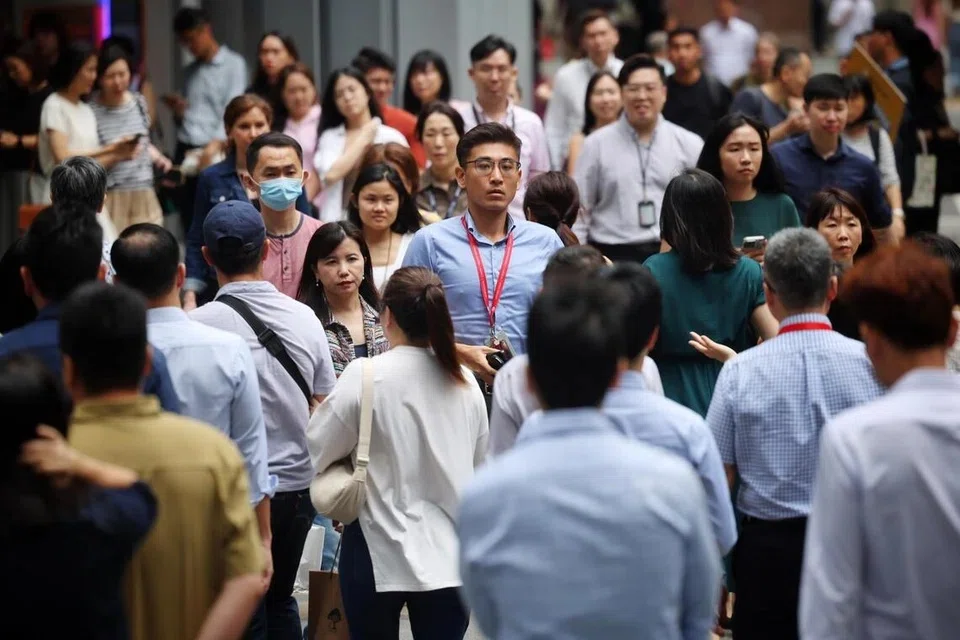
[SINGAPORE] Singapore workers are ending 2025 with the dull ache of feeling trapped in jobs that fall short of their expectations, and suspecting that working harder would not pay off either.
Employers, on the other hand, believe they are rocking away on employee expectations.
This mismatch is among the findings and views gleaned from surveys and human resources specialists.
Employment portal Seek, which polled the views of 500 employees and 300 employers over two months from October, said the gap surprised because employers reported raising pay and benefits to meet staff demands in an earlier study conducted in 2024.
Yet now, eight in 10 workers say their jobs underdeliver on the job pitch.
The firm’s latest survey found that disenchantment hits fast, with new joiners spotting the mismatch within their first three months – such as when their payslip fails to reflect actual responsibilities, their job scopes blur, or when the culture feels off.
Chook Yuh Yng, Seek’s director for Asia sales, said employees’ unhappiness over the job pitches is making them question employers’ transparency, which, in turn, leads to more mistrust and frustration.
On their end, nine in 10 managers said new hires change expectations shortly after joining. And they are not being disputed: Almost half of employees agree, with most of them pointing to mental health and well-being reasons.
In 2025, Singapore workers also lag behind their peers in the Asia-Pacific in believing that if they do a better job, they will be better paid.
SEE ALSO




The observations, made by global consultancy Mercer, also showed that fewer workers here know what their company has lined up for their career advancement compared with their peers in the region.
The twin findings, said Mercer’s regional employee engagement solutions leader Marieke van Raai, dampen workers’ enthusiasm to learn new skills such as artificial intelligence. “Employees that believe they are fairly paid are 1.8 times as likely to spend more than 15 per cent of their time learning new skills for work, compared with those who feel they are not fairly compensated.”
Already, Singapore workers are no more likely than their global peers to spend time on learning, despite the abundant training opportunities supported by the Government, she said.
Another trend of 2025, as borne out by labour statistics, is that workers are clinging on to jobs amid slowing hiring, headlines of layoffs and company closures.
HR solutions firm ADP’s senior vice-president for Asia-Pacific, Jessica Zhang, said: “Job-hugging is real... but beneath that stability, there is a quiet churn.
“Workers may wait longer before making a move, but their drive to progress remains strong. Many are building skills, watching the market and moving when the timing feels right,” she said.
Claire Teo, executive search firm EBC’s associate director for technology and sales, agrees.
“Many feel their current roles are stable but stagnant. So, while they remain prudent and do their due diligence, their willingness to explore conversations with future-ready organisations is much higher than before,” she said.
Candidates are also studying prospective employers more and asking deeper questions earlier in the job hunt, she said.
“Their biggest fear is leaving a stable job only to join a company that might restructure, and being the newest hire often comes with a ‘last in, first out’ concern.”
If there is a silver lining, it is that these workers are shoring up institutional knowledge.
Teo said: “Though job cruising does not sound ideal, job-hugging employees are maintaining business continuity, especially at a time when companies are far more cautious about costs.”
ADP’s Zhang said that already, there are early signs of more transactional employment relationships, especially among younger workers.
The rise of fractional work will lead to higher use of part-time and contingent workers, though full-time workforces would still be kept for core operations, long-term projects and to maintain institutional knowledge and culture, noted recruitment firm ManpowerGroup Singapore.
Its country manager, Linda Teo, said: “Economic uncertainty is prompting employers to prioritise agility over fixed costs, making contingent talent an attractive option.
“Rapid technological change is creating demand for niche expertise on short-term projects, where hiring specialists is faster than upskilling internally.”
Workers, too, are warming up to short-term assignments for variety and control.
Contract AI engineers for implementation projects, temporary logistics staff during festive surges and locum professionals to fill staffing gaps at hospitals are examples of contingent jobs, she said.
As offices prepare to welcome 2026, the talent experts urge more conversations between bosses and their teams.
Workers feeling underpaid or underwhelmed is nothing new, Chook said. It reflects the difficulties of employers to satisfy their staff while meeting business demands.
She added: “In Singapore, employees often hesitate to voice concerns and employers may sometimes interpret this silence as alignment... There is a need for this to change.
“Employees need to articulate their needs and question unclear expectations, and employers must recognise that listening and transparency are essential for trust and retention.”
Rather than asking if employees or employers are primed to get what they want, Linda Teo suggests focusing on how both sides can move closer to shared outcomes.
She said: “Rigid expectations rarely hold in today’s fast-paced environment. What can make the difference is open dialogue and flexibility.
“It may not deliver everything either party hopes for, but it offers a constructive way forward.” THE STRAITS TIMES
Decoding Asia newsletter: your guide to navigating Asia in a new global order. Sign up here to get Decoding Asia newsletter. Delivered to your inbox. Free.
Share with us your feedback on BT's products and services






