
Singapore’s Feb key exports growth slows to 4%; electronics surge eases, non-electronics slide
The Middle East conflict will pose a significant headwind, economists say; Maybank trims its GDP forecast
 Add BT as a preferred source
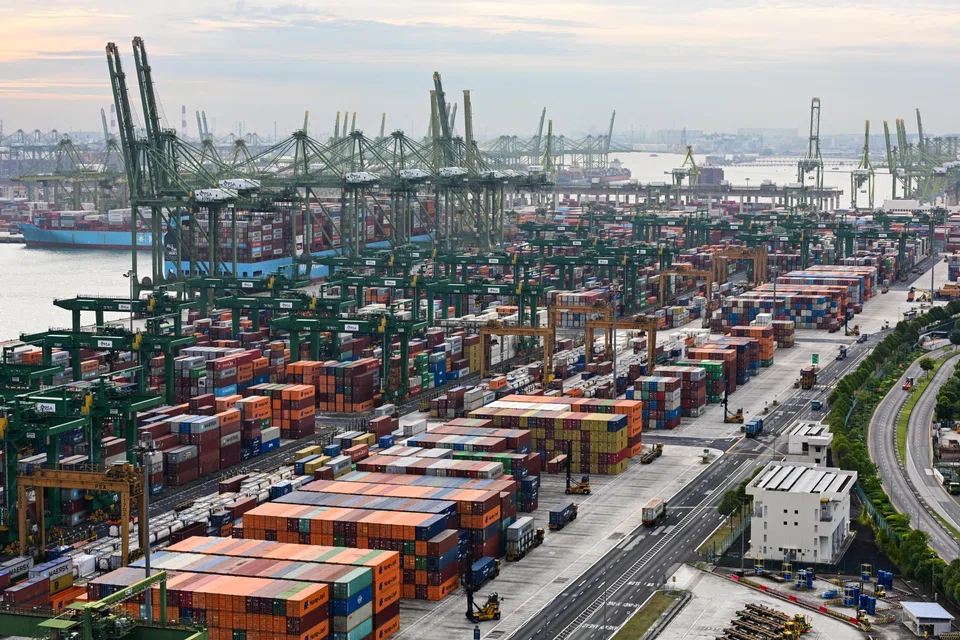
[SINGAPORE] The Republic’s key exports rose 4 per cent year on year in February, easing from the preceding month’s revised 9.2 per cent growth, data from Enterprise Singapore (EnterpriseSG) showed on Tuesday (Mar 17).
The latest non-oil domestic exports (NODX) print comes as electronics shipments expanded again, but non-electronic key exports continued to fall.
However, the overall January-February NODX average – smoothening the impact of the shifting Chinese New Year holiday – grew 6.7 per cent year on year in 2026.
This combined figure points to “a positive start to the year”, said DBS senior economist Chua Han Teng, with OCBC chief economist Selena Ling agreeing that it is “still an improvement” from the 2.3 per cent growth in the year-ago period.
February’s figure is similar to December 2025’s 6.1 per cent growth, said Maybank analysts Chua Hak Bin and Brian Lee.
But looking ahead, the economists said that if the war in the Middle East is protracted, it would be a notable headwind.
Navigate Asia in
a new global order
Get the insights delivered to your inbox.
Maybank cut its full-year gross domestic product growth forecast to 3.4 per cent, from 3.6 per cent previously, though this remains closer to the upper end of the official 2 to 4 per cent forecast range.
OCBC said that the official range “now looks to be skewed to some downside risks”, adding that it would review its own 3 per cent GDP forecast “in due course”.
Geopolitical complications
The war in the Middle East has surfaced downside risks, economists said, particularly as it chokes the Strait of Hormuz.
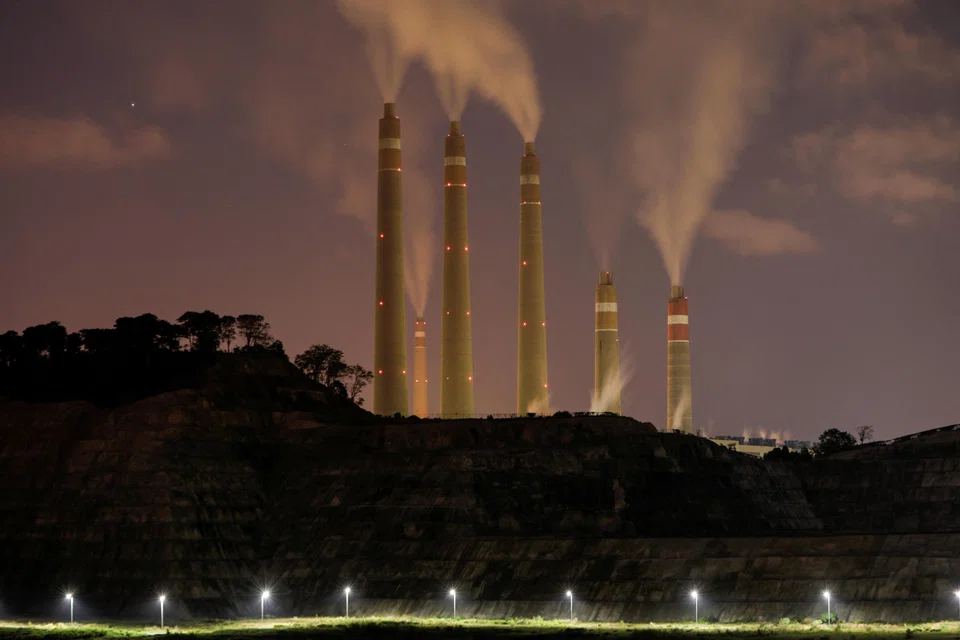
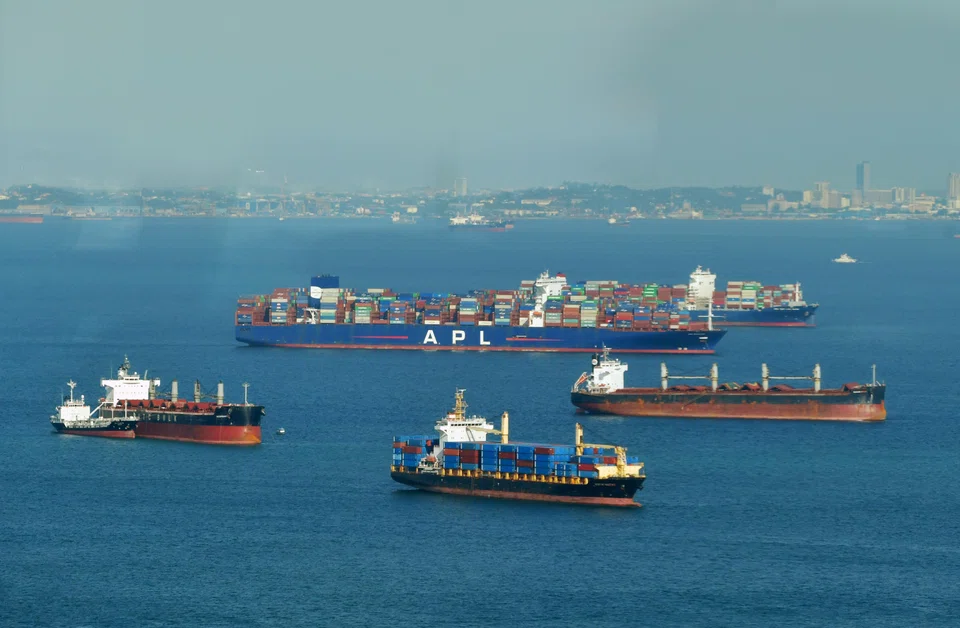
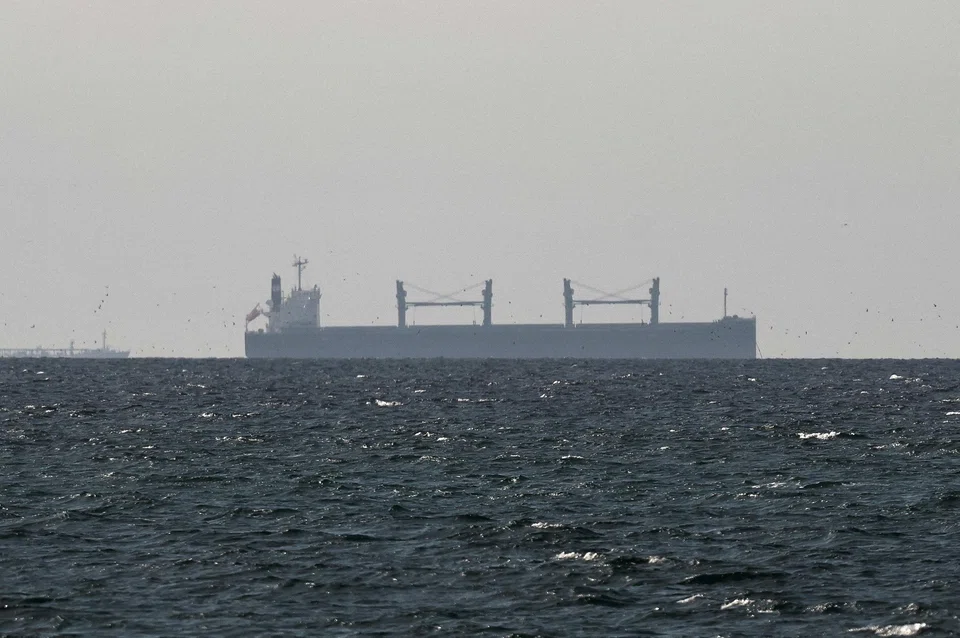
This has severely disrupted commodity shipments, said Maybank’s duo. They added that the petrochemical sector, which accounted for 6.6 per cent of exports in 2025, faces the most pronounced impact, with output curbs due to a crunch in crude oil-derived naphtha.
DBS’ Chua said the geopolitical conflict could disrupt supplies of key inputs in electronics production, such as helium, for which Qatar is a major supplier.
But, citing reports of stockpiles and alternative sources, the Maybank analysts said chipmakers in tech hubs South Korea and Taiwan – key sources of demand for Singapore’s intermediate electronics exports – are “well-placed to weather temporary helium supply disruptions”.
They also believe that the artificial intelligence (AI) capex boom and strong electronics demand will not be directly affected by the war, with the US and China, the two largest sources of global AI demand, “relatively insulated” from its economic fallout.
The blockade is also resulting in a widening liquefied natural gas (LNG) crunch for Asia, including Singapore, Ling said.
Maybank’s Dr Chua and Lee said imported natural gas fuels 95 per cent of Singapore’s power generation, and Qatar accounts for about a quarter of overall natural gas imports.
The government has said that Singapore’s energy supplies remain secure.
The Maybank duo do not, therefore, expect industrial production to experience major energy-supply disruptions. They add that power plants can switch between natural gas and diesel fuel.
Still, Ling cautioned that the exact size of Singapore’s LNG and diesel fuel supplies has not been made public.
Besides the war, potential adjustments to US tariffs also weigh on the NODX outlook.
The Trump administration recently launched investigations into structural excess capacity and forced labour against various economies, including that of Singapore’s, after earlier tariffs imposed under the International Emergency Economic Powers Act were struck down.
Electronics still the star
Year on year, electronics exports jumped 43.2 per cent, down slightly from the previous month’s 56.1 per cent surge.
Integrated circuits (51.2 per cent), disk media products (96.3 per cent) and PCs (22.9 per cent) contributed the most to the increase in electronics NODX.
In the first two months of 2025 combined, electronics shipments surged 49.7 per cent on year.
Ling noted that this is a sharp increase from the 8.2 per cent growth rate in the year-ago period; Maybank’s duo highlighted that the latest figure more than doubled December’s 24.9 per cent growth.
“Singapore continues to benefit indirectly from the global AI boom, with robust electronics domestic export growth to key upstream players in the AI supply chain, Taiwan (50.5 per cent year on year) and South Korea (31.1 per cent year on year),” DBS’ Chua said, noting that these were the top two performing destination markets in February.
In contrast, non-electronics shipments shrank 6.9 per cent, extending January’s 3.1 per cent decline. The key declines were non-monetary gold (-27.4 per cent), food preparations (-51.2 per cent) and petrochemicals (-28.5 per cent).
But pharmaceuticals NODX extended gains for the second month to register 7.9 per cent growth, Ling noted.
DBS’ Chua said the deeper non-electronics decline is partly due to unfavourable base effects.
Ling added: “The recent volatility in risk asset markets, including precious metals like gold, suggest that the external outlook has clearly deteriorated.”
Majority still expand
In February, key exports grew for six of Singapore’s top 10 markets. The increases were mainly driven by electronics, economists agreed.
NODX to South Korea, Taiwan, Hong Kong, Thailand, the European Union and Malaysia expanded year on year. But NODX to the EU and Malaysia grew by single-digit percentages, a moderation of the double-digit, year-on-year increases in January.
In contrast, NODX to China, India, Indonesia and the US declined in February. NODX to China and India had reported growth in January.
NODX to the US declined for the third straight month, DBS’ Chua pointed out, attributing this to ongoing headwinds from US tariffs.
Ling added that the US and Indonesia’s weak NODX prints “followed a tepid January performance as well”. This suggests that “domestic demand conditions had softened significantly as it was concentrated in non-electronics NODX, while electronics NODX still continued to grow”.
Overall, total merchandise trade grew 13.6 per cent year on year in February, moderating from the previous month’s 23.8 per cent expansion. Total exports rose 11 per cent on the year; total imports were up 16.6 per cent.
Decoding Asia newsletter: your guide to navigating Asia in a new global order. Sign up here to get Decoding Asia newsletter. Delivered to your inbox. Free.
Copyright SPH Media. All rights reserved.

