Singapore’s package tours evolve to meet demand for longer, specialised trips

Elysia Tan
Elysia Tan

Published Tue, Oct 17, 2023 · 05:00 AM
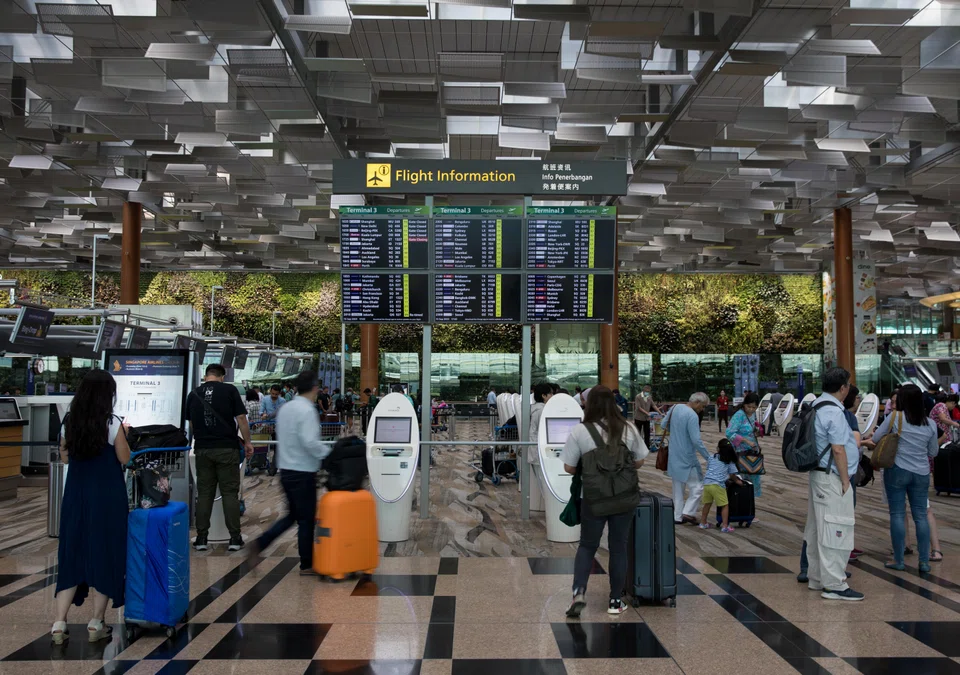
    • Specialised travel itineraries such as wellness tourism, thematic holidays and active tourism are becoming increasingly popular.
    • Specialised travel itineraries such as wellness tourism, thematic holidays and active tourism are becoming increasingly popular. PHOTO: CHERYL ONG, BT

    POST-PANDEMIC, Singaporean travellers are expecting more even from package tours, with travel agencies offering longer, more luxurious and specialised trips to meet this demand.

    The lack of leisure travel during Covid-19 allowed people to accumulate savings and days of leave – and encouraged them to seize chances to spend once borders reopened, said travel agency EU Holidays’ director Wong Yew Hoong, summing up this mindset with: “Life is uncertain.”

    Sehar Mir, marketing and communications manager at travel agency Fayyaz Travels, noted a “mindset makeover”, with preferences shifting from budget to bespoke.


    “We see business-class travel booked months on end for leisure travellers, which was not always the case,” he said. Repeat customers who previously preferred three-star hotels are now considering four- or five-star options.

    Chan Brothers Travel has been upgrading its tours to include “brand-name hotels” and “authentic cuisines”, said marketing executive Samantha Tan. She also noted the growing traction of “slow travel” – “longer-duration holidays, focusing on immersive exploration” – with offerings such as an 18-day cruise.

    As travel costs rise, customers want better-quality experiences, said National Association of Travel Agents Singapore (Natas) president Steven Ler.

    The overall cost of travel has risen by 15 per cent to 20 per cent due to higher airfares, hotel rates and other on-the-ground costs, he said. “Consumers are more prepared to say: ‘Since I’m going to be there, I’m going to spend a bit more to optimise the days and time I have.’”

    EU Holidays has seen demand for tours that include entry to more attractions, instead of “touch and go” experiences with time only for photos.

    While EU Holidays still provides shorter budget-friendly options, take-up rates suggest that long tours are more popular, he said. A five-night duration was the pre-pandemic norm for tours to Japan, but EU Holidays has now had to introduce six- and seven-night tours, Wong said.

    Beyond just getting there, customers are also more interested in how they get around, prompting travel agencies to incorporate novel modes of transport. In Europe, coach tours remain common, but demand for cruises is trending up, said Ler.

    Chan Brothers’ packages include “land-rail-ocean” expeditions and river cruises. At EU Holidays, train tours introduced in 2019 – where tourists take public trains rather than private coaches – are “doing very well now” compared to pre-pandemic, said Wong.

    Power of knowledge

    Customers’ increased demands are also driven by greater access to information. During the pandemic, even older travellers had more time to do online research, said Sheryl Lim, founder of travel operator Travel Wander.

    Customers now come to EU Holidays with specific requests, Wong said. “(Previously), you tell customers where to go. Now, customers come and tell you: ‘I want to go here, I want to go there.’”

    With a greater need to keep updating its tours, the agency has expanded its product team from 10 to 15 members. As package tours are updated only half-yearly, new ideas cannot be incorporated immediately, but may be trialled as free add-ons with one or two groups before being launched in the next season.

    Chan Brothers’ Tan agreed that the proliferation of information online has an effect on travel interests. “Travel decisions can be influenced by what travellers consume on their social media feed, with them seeking out photogenic destinations and experiences to capture and share online.”

    This is especially so with younger demographics, which Chan Brothers is pursuing. The agency uses social media platforms and creates “TikTok-style clips” of its offerings, works with younger personalities for celebrity-led tours, and has an “Instagrammable suite of products for photogenic insider spots”.

    Natas’ Ler acknowledged that there will always be independent travellers, but added that travel agencies with “the experience and scalability” remain important.

    Compared with pre-Covid, travel agencies are drawing more younger travellers, he said, noting more customers in their mid-30s and multi-generation travellers “who may not have used agencies in the past”.

    New interests and priorities

    Specialised holidays have also picked up steam. Chan Brothers has seen increasing interest in wellness tourism – including for hot springs and thermal baths – and “thematic experiences” such as tours with photography elements, wine tastings, fine foods or festivals.

    Natas’ Ler named Christmas market and gastronomy tours as other examples of specialised holidays.

    One growing trend is active tourism – tours centred around sports or outdoor activities – which industry players see as a possible extension of the pandemic-era exercise boom. Studies showed a rise in recreational running during Covid-19, while bicycle sales also jumped in those years.

    These Covid-era habits have translated into greater interest in active travels, tour agencies said.

    When travel agencies were unable to operate during Covid-19, they noticed “everyone (was) cycling, jogging, hiking… so we sensed that maybe, after the pandemic, this can be a new market”, said Wong.

    Ler said that take-up for such tours is still relatively low as they are more costly, but travel demand has picked up for golfing, cycling and marathons.

    Travel Wander, which specialises in small-group active tours, has seen brisk business this year. By September, it had already matched the full-year number of tours for pre-Covid 2019.

    “Singapore is only so big, how far can you cycle?” laughed Lim. “The tallest hill we have is only 163 metres.” Every year, she adds new destinations – Kyrgyzstan for 2023 – as well as new cycling routes and mountain hikes for existing locations.

    While self-planned trips are flexible and do not require a minimum number of participants, agencies can create tours that individuals cannot, she added. Besides helping with transport arrangements – as public transport infrastructure in Asia is seldom friendly to cyclists – agencies can also be key for route-planning, with their research, overseas partners, and local guides.

    EU Holidays organises trips for activity-based communities in Singapore, most often for cycling. Preparations include facilitating equipment transport or rental, hiring instructors and planning for accidents.

    Ski tours have also been gaining traction. While tours to countries such as South Korea or Japan may have previously included ski activities amid sightseeing, some tours are now tailored to be ski-centric, said Wong.

    Realising that many enthusiastic newcomers to skiing and snowboarding were “wasting time” learning the basics such as how to walk on snow, EU Holidays established the Singapore Ski and Snowboard Academy this September.

    “You spend a lot of money, fly there, stay in the hotel, which is very expensive – and the snow mountain is there, but you can’t take the gondola to go up and ski, because you’re still learning,” said Wong. Before their trip, therefore, travellers can now learn basic skills from ski simulators and instructors at the school in Singapore.

    The second half of 2022 was EU Holiday’s best-performing H2 on record, and the first half of 2023 has been its best-performing H1. Said Wong: “That means this second half of the year can beat last H2.”

    Noting the surge in leisure travel since the reopening of borders in April 2022, Ler noted that there are already advance bookings for tours in the first half of 2024.

    While the state of the economy is a factor to watch, increasing flight capacity looks set to push prices down and incentivise travel next year, he said. “I would say, the first half will… remain relatively strong. And we’ll see how the second half goes.”