SingPost may be allowed to ‘adjust’ postage rates to remain a viable business

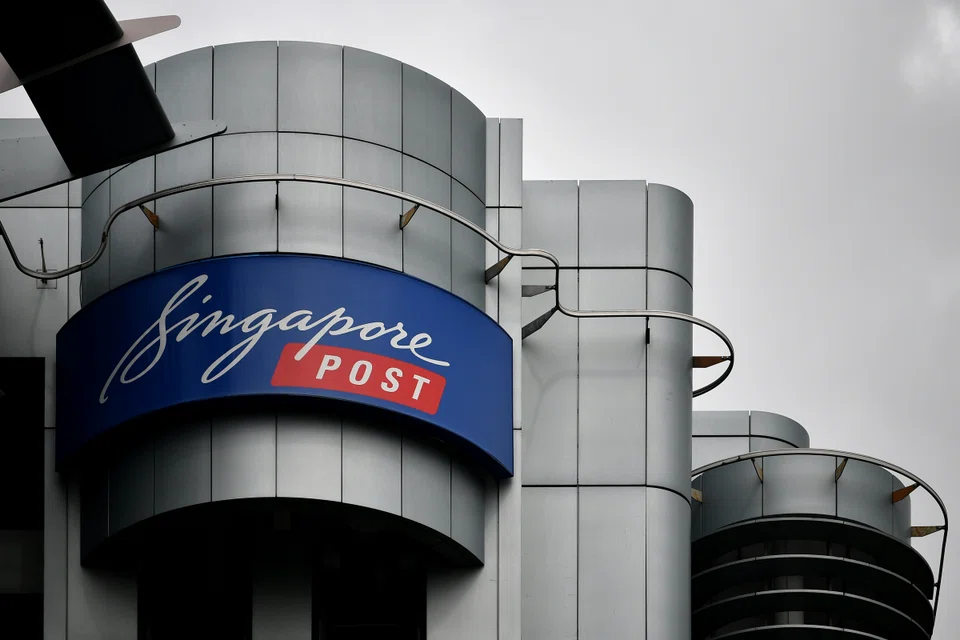
THE government will consider allowing Singapore Post (SingPost) to introduce postage rate adjustments to “better reflect the cost of letter mail business” following a sharp decline in domestic letter volumes since the Covid-19 pandemic.
Minister of State for Communications and Information Tan Kiat How, announcing this in Parliament on Wednesday (Jul 5), said: “Domestic postage rates have largely been held constant since 2014, apart from a small increase at the start of this year.
“The upcoming adjustments will have to be of a sufficient degree to allow SingPost’s business model to remain viable, without requiring direct government funding.”
These adjustments are part of a review that the Infocomm Media Development Authority (IMDA), the postal regulator, will conduct with SingPost; the review will look into its costs and operations, including optimising and automating post office services for greater cost effectiveness.
Tan was responding to a question on the viability of SingPost’s post and parcel business, and whether measures are being taken to ensure a continuity of these services.
In May, SingPost reported a 70.3 per cent plunge in net profit for FY2023 to S$24.7 million, despite posting record revenue. Its group chief executive Vincent Phang said then that the mainboard-listed company is conducting a strategic review of the commercial sustainability of its domestic postal business.
Tan told the House that SingPost, as a listed company, must maintain a viable business model while fulfilling its universal service obligations as a public postal licensee.
However, the speed and scale of digitalisation since the pandemic has led to a sharp decline in domestic letter volumes to just 260 million letters in financial year 2022, down from 490 million in FY2015, Tan noted.
Apart from individuals opting for paperless communications, most government agencies have also digitalised and are communicating with citizens through online channels, he said. Businesses now account for more than 80 per cent of mail users, and an average consumer sends fewer than one letter per month.



“With this decline, it will be challenging for SingPost to continue running a viable business with its current operating model, and at the current postage rates,” said Tan.
Under the review, IMDA will also examine the current postal service obligations to ensure they remain relevant in today’s highly digitalised context, particularly with the range of alternative electronic communication channels available.
Tan added that the government will also work closely with SingPost on a “fundamental review” of the future of Singapore’s postal service, recognising the “larger shifts” in the delivery ecosystem and changing needs here, including the rise of logistics and e-commerce players.
Decoding Asia newsletter: your guide to navigating Asia in a new global order. Sign up here to get Decoding Asia newsletter. Delivered to your inbox. Free.
Copyright SPH Media. All rights reserved.