Appetite for food delivery dips after Singapore’s reopening, but still above pre-pandemic levels

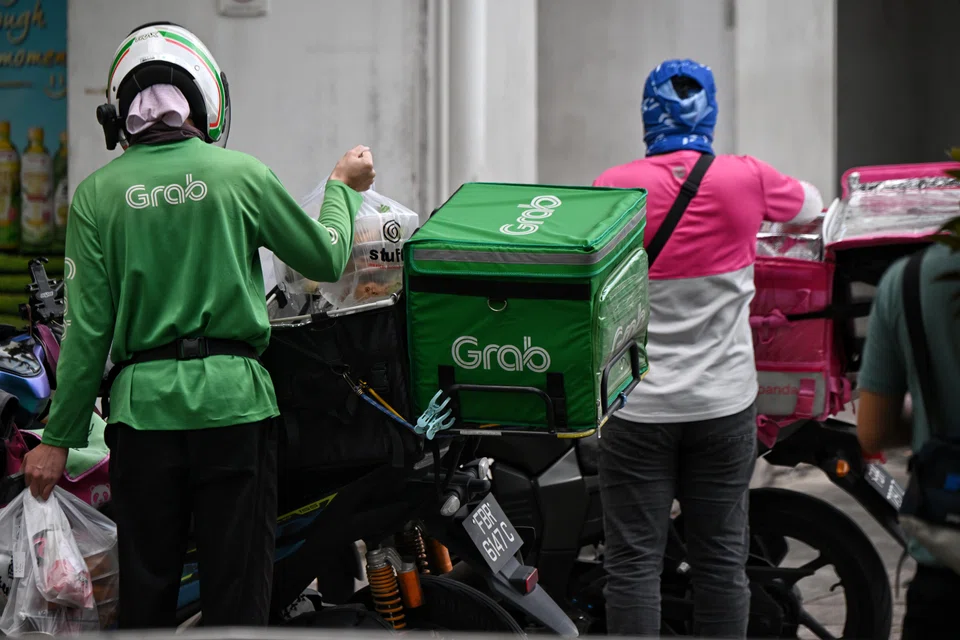
THE demand for food delivery has fallen since Singapore lifted Covid-19 curbs last year, but it remains higher than pre-pandemic levels, say food delivery platforms and food and beverage (F&B) players.
In a Deliveroo survey of 1,000 Singaporeans in September, more than 60 per cent of respondents said they use food delivery services more regularly now than in pre-pandemic times, a Deliveroo spokesperson told The Business Times.
A spokesperson from foodpanda said that in the past six months, food delivery demand has “remained steady” and the number of new restaurants added to the platform has been “consistent”, though they did not provide specific figures.
“We attribute this to the familiarity and convenience of ordering food on-demand, which spiked during the pandemic due to necessity. Since then, users have become accustomed even more to the convenience of quick and on-demand delivery services,” the spokesperson said.
A spokesperson from Grab said that the platform has observed “continued and steady demand” from consumers since Singapore’s reopening, adding that the pandemic has “reinforced” the preference for convenience.
According to Grab’s Food & Grocery Trends Report 2022, consumers in South-east Asia made 1.5 times more orders on GrabFood in 2022 as compared with 2019. The survey was conducted across Singapore, Malaysia, Indonesia, the Philippines, Thailand and Vietnam from January to September 2022.
Singapore saw a large-scale easing of Covid-19 measures on Apr 26 last year, including the removal of group size limits and safe distancing requirements for dining in, as well as all employees being allowed to return to workplaces.
Though Soup Restaurant has seen food delivery orders drop by 5 to 10 per cent since June, delivery demand is still “holding up well” compared with before the pandemic, said its head of marketing Irin Lau.
Food delivery now makes up 20 to 30 per cent of the Chinese restaurant chain’s total sales, down from 80 per cent during the “circuit breaker” period in early 2020, but up from around 15 per cent in 2019. In July, the restaurant secured a space at Deliveroo Editions’ cloud kitchen Katong site to expand its delivery reach to the Joo Chiat area.
But demand varies by type of cuisine. For Ponte Group, delivery orders were down 20 per cent in 2022 compared with 2021, to a “negligible” level. Dining-in now forms 90 per cent of sales across the group’s three F&B concepts: rooftop microbrewery LeVeL33, restaurant and bar Erwin’s Gastrobar and vegan restaurant Planty Of Love.
Ponte Group’s founder and managing director Martin Bem believes the days of delivery are over for higher-end dining options. “I think food delivery from now on will be driven more by (orders for) convenient food…when it comes to items like pizza or burgers, food delivery will be staying,” he said.
Bigger basket sizes as parties resume
Though fewer people may be staying in, consumers are spending more per delivery order as office and home parties make a comeback, said platforms.
“The pandemic brought (about) a new trend of families and groups organising dinners at home…as a result of bigger parties, we noticed that basket sizes have increased from pre-Covid,” said Jonathan Lim, chief executive of food delivery platform Oddle.
From 2019 to 2022, the average basket size on GrabFood increased by 15 per cent across Singapore, Malaysia, Indonesia, Philippines, Thailand and Vietnam, noted Grab’s latest Food & Grocery Trends Report.
The report also revealed that two in five consumers in Singapore prefer ordering food in for social gatherings instead of eating out, “which would explain why large-sized weekend orders to residential areas doubled on GrabFood over the past two years”, said a spokesperson from Grab.
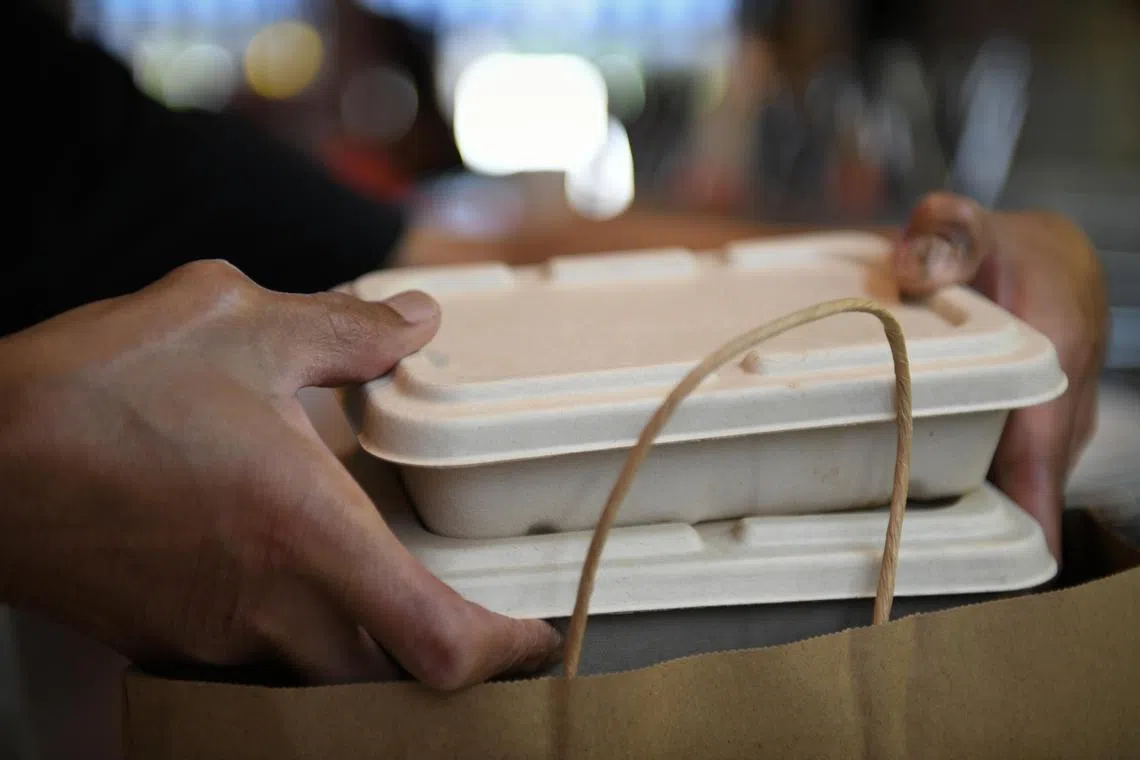
According to Deliveroo’s survey, Singaporeans now spend S$108 a month on food delivery services on average, up 62 per cent from 2019’s average monthly spend of S$67.54.
Stellar Kitchen Bar has seen a drop in delivery orders from households since April last year, but this has been offset by an increase in orders for corporate parties, especially during the recent festive season.
“We see much more bulk ordering from companies, with some also asking for customised orders off the menu,” said co-founder Louis Tan. Delivery now makes up about 20 per cent of his restaurant’s monthly revenue.
Demand for grocery delivery endures
Even as food delivery demand tapers off, demand for grocery deliveries may endure.
In Deliveroo’s latest survey, almost 60 per cent of Singaporeans prefer getting groceries delivered over making a trip to the supermarket, up from just over 20 per cent in a January 2021 poll.
After group size limits were lifted for social gatherings, foodpanda’s cloud grocery store pandamart has seen a rise in orders for “hosting must-haves” such as fresh produce, meat, seafood, beverages, snacks and ice-cream, said a spokesperson from foodpanda.
foodpanda has also broadened the product categories offered on its platform, allowing customers to order items such as electronics, pet supplies, games and toys.
Neeta Lachmandas, executive director of Singapore Management University’s Institute of Service Excellence, said platforms will need to move beyond their food delivery roots and expand the range of products available for delivery in order to remain competitive.
Besides groceries, she noted that some platforms have ventured into providing healthcare products such as Covid-19 test kits and over-the-counter pharmaceuticals, allowing the “near-instant delivery of a packet of paracetamol”.
“If the delivery app can reliably and consistently provide a wide range of products, especially with perishables, it can strengthen its relevance with users as they start to depend on it for daily essentials,” she said.