


Bicycle sales on bumpy terrain as Covid cycling craze screeches to a halt
Retailers are struggling to move inventory as interest dwindles

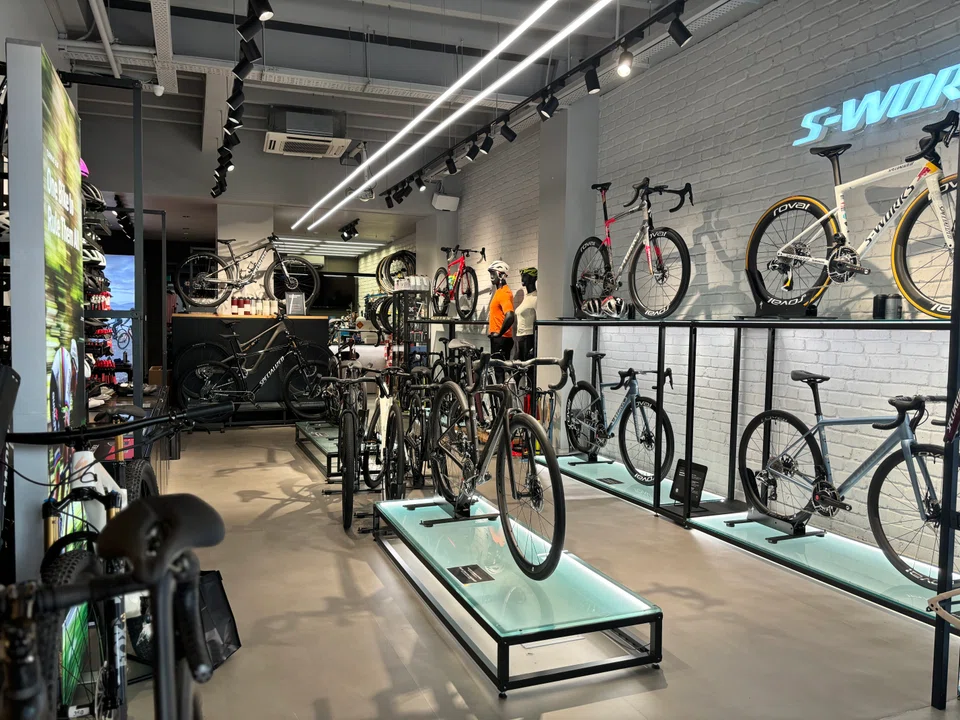
AFTER peaking amid the Covid-19 pandemic, bicycle sales in Singapore have plunged as interest waned, with some retailers reporting worse sales now than in 2019.
Bicycle retailers told The Business Times that sales have plunged from the highs of the industry’s 2020 boom, with estimated falls ranging from 30 to 70 per cent.
Some businesses have reduced their number of outlets, while others have closed for good.
The slump in Singapore’s bicycle market mirrors a global cycling downturn. Major cycling brands, such as Giant and Shimano, have reported lower sales and profits on sluggish post-Covid demand. Bike sales in the United Kingdom have fallen to a 39-year low, with industry players warning that the market will soon collapse.
Pandemic “honeymoon”
Singapore’s bicycle industry was in a “honeymoon period” between 2020 and 2022, said Patrick Phua, owner of Happy Owl Cycle.
From the “circuit breaker” in early 2020 to the continued closure of international borders, demand soared as people took up cycling to get out of the house, he noted.
At that time, consumers were not picky and would take any bicycle that they could get their hands on. Bicycles were flying off the shelves, and retailers could easily get rid of old and new stock alike.
“It was literally to the point where any bike could sell,” recalled Azhar Abdullah, retail, marketing and distribution manager at Treknology3. “Even bikes that were more than 10 years old could sell.”
Retailers with smaller shops or without warehouse facilities had to put buyers on a wait list and make backorders with manufacturers, said Colin Tan, owner of Bikehaus in Bukit Timah.
To keep up with the influx of orders, manufacturers increased capacity by opening new facilities and production lines, he added.
Slowing demand, unsold inventory
But the good times did not last. Demand started to decline when people returned to the office, and fell further when travel became possible again after Covid restrictions were lifted in 2022.
Sales of entry-level to mid-tier road and commuter bicycles suffered the most, as this was the segment most popular with individuals who picked up cycling as a hobby during the pandemic.
With those “new enthusiasts” leaving the market, sales have fallen some 35 to 50 per cent for Treknology3.
Demand for leisure bicycles, designed more for Instagram than intensive use, has also fallen.
Retailer Hello, Bicycle!, which specialises in leisure and commuter bikes, has seen average monthly sales fall to between 100 and 120 bicycles. This is down from 300 to 350 during the Covid peak, said director Vasilii Grigorov.
With the slump in demand, retailers have been saddled with unsold inventory which they are struggling to move, said Tan.
This overstock occurred in part because retailers had predicted demand based on Covid figures, said Azhar. These forecasts were not met, but most manufacturers did not allow order cancellations, so retailers had to take in more stock than they needed.
Bromptons and Pinarellos
As demand fell, consumers grew pickier. Facing pressure to keep up with consumers’ desire for new products, some retailers are slashing prices and offering one-for-one deals to move old inventory.
This comes even as they compete with the secondhand market, where many entry-level to mid-tier bikes are selling cheaply.
Manufacturers, too, have tried to offload old stock to distributors to free up warehouse space for new models, noted Phua.
Shifting old stock is also hard for brands that have fallen out of fashion. And Singapore cyclists are quite brand conscious, observed Phua.
Cyclists who started with a cheap bike during Covid-19 and remain keen are likely to upgrade, and will therefore eye more premium “tier one” brands, he said. “Today… a S$25,000 road bike with very superior components would actually sell better than a S$3,000 average to below-average bike.”
Popular brands such as Brompton, Specialized and Trek have remained in the top five brands on Carousell from 2020 till 2024, as measured by keyword searches in the bicycle and parts category.
During Covid-19, there were shortages and wait lists for some of these brands, allowing substitutes – such as South Korean Brompton-lookalike 3Sixty – to gain popularity.
These imitation brands, however, lost their shine once supply shortages eased and consumers could purchase the real thing.
Similarly, “fly-by-night” brands – which cropped up during the pandemic to ride the surge in demand – are suffering now that stock is available for top brands instead, said Azhar.
Normalising demand
Against this backdrop, some retailers have chosen to consolidate their physical footprint.
Treknology3 previously had three stores, but chose not to renew the leases of its East Coast and Orchard outlets when they expired in February. It now operates only a mega showroom in Bukit Merah.
In the past six months, bicycle and e-bike retailer Mobot has shut three stores in Bedok Mall, City Square Mall and Nex – the latter two having been open for less than 12 months.
Manager Chew Boon Hur said the company had deliberately signed shorter leases as it was uncertain how long the Covid-era bicycle boom would last. Given the current economic climate, it chose not to renew the leases.
Nevertheless, retailers are cautiously optimistic that demand will eventually normalise after this “hard reset”.
Demand will always be there, as cycling is an evergreen sport, they said. Businesses with an established base of returning customers, and which offer repair and maintenance services, are likely to survive this period, they added.
The industry just needs two to three years to sell or scrap old inventory and absorb the losses, while waiting for the demand to normalise, said Ben Cheong, owner of Chapter 2 Cycle.
“After that, I believe everything will be back to normal,” he said. “We will not be back to Covid days, but we should be doing slightly better than we are now.”
Going direct to consumer
Major bicycle brands have started selling directly to consumers, causing some retailers and distributors to lose a key customer base.
American cycling brand Specialized, for instance, started online sales in 2018, then opened its own brick-and-mortar stores in Singapore around two years ago, said Desmond Cheong, its head of retail in Singapore.
Before that, the brand worked with a local distributor and retailer to sell its products.
“We decided to open our own stores because we feel (it would result in a) better connection with our customers,” said Cheong.
By building a direct relationship with its customers, the company can better understand demand trends and better plan its business, he added.
Going direct to consumer has always been Specialized’s strategy, and was not something it decided upon because of Covid-related trends, said Cheong.
Building good relationships and providing high-quality service is what keeps customers coming back, he said. “Because when customers want to (restart the hobby), they will go back to the store where they once enjoyed spending their time.”
TRENDING NOW

Once staunchly pro-China, Malaysian Chinese businesses are now distancing themselves from Beijing

Stocks to watch: HPL, Aims Apac Reit, Zico, Advanced Systems Automation, ComfortDelGro

‘How many will survive?’: Bubble fears arise as China’s humanoid robotics face reality check
Smaller board lots can’t fix a market run by three banks

