


‘Clean label’ products put deli founder on track for meaty returns
Jill’s Sausages founder Nicholas Lee has invested over S$500,000 in his company, and expects to break even by year-end

Paige Lim
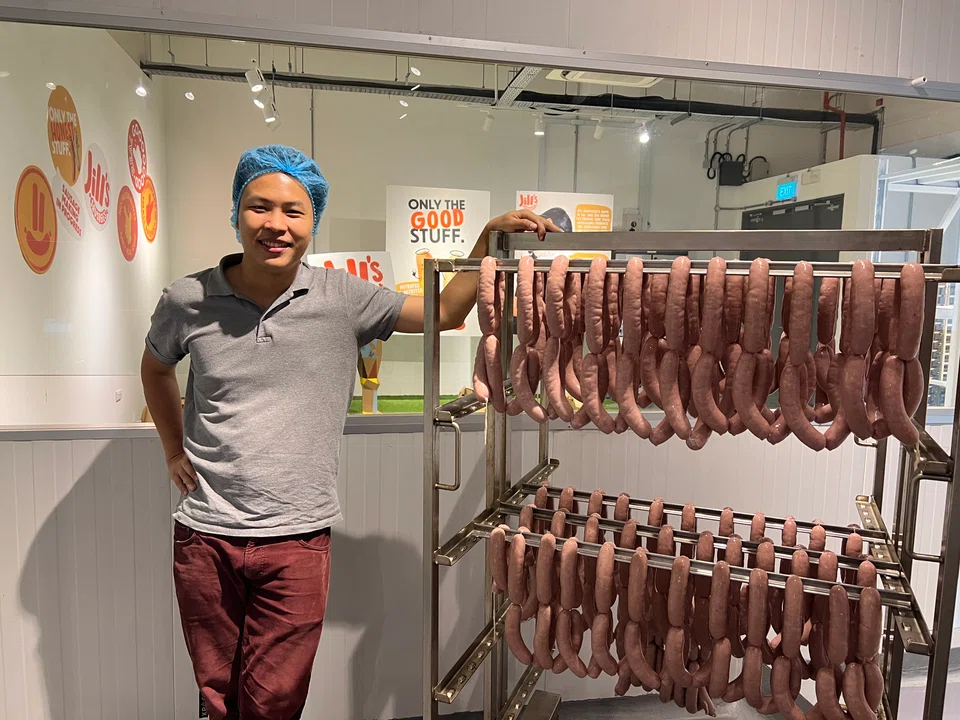
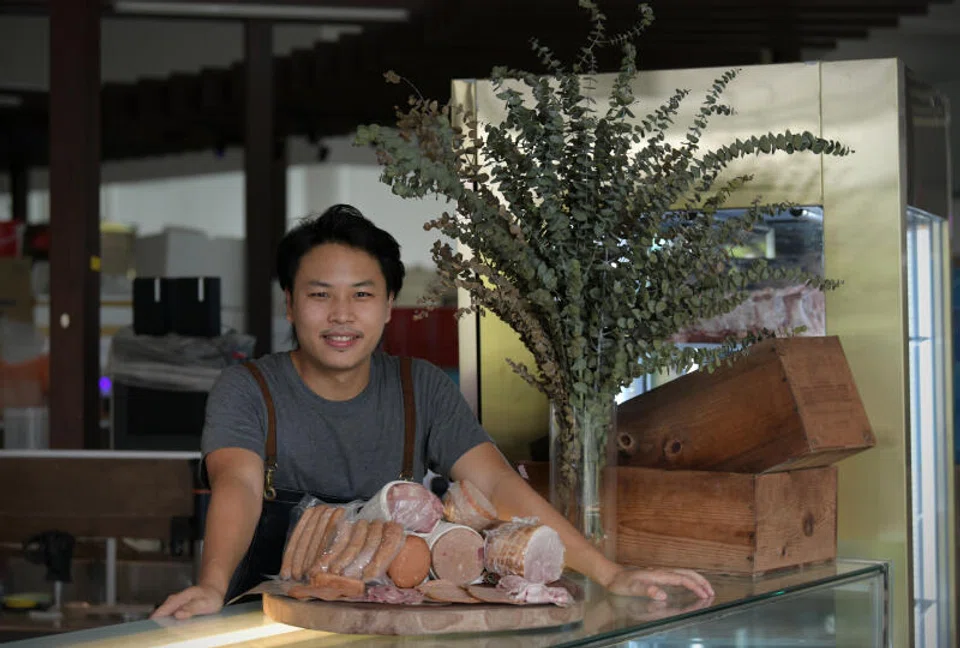
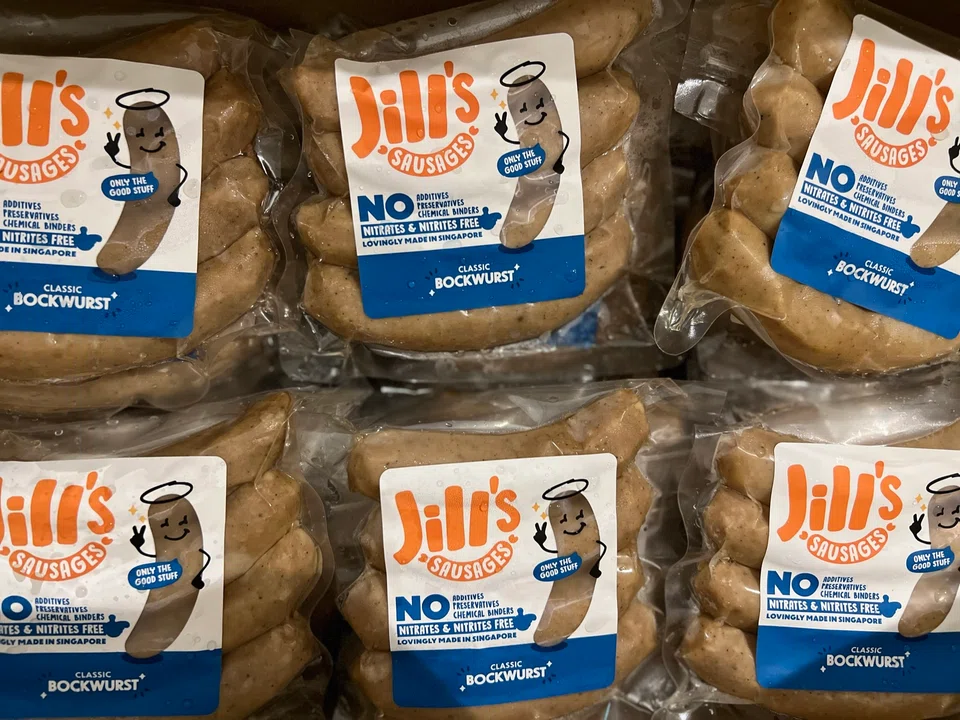
IT’S a warning that most doctors or dieticians will dish out: consuming too much processed meat is bad for one’s health. And that is why Nicholas Lee, the founder of local deli meat business Jill’s Sausages, wants to offer a guilt-free alternative with his “clean label” sausages and hams.
“A lot of Asians love sausages, hams and bacon, but we are always told that we shouldn’t eat so much of them. Because the sausages we know are the mass-produced ones; they all contain high amounts of salt and chemical additives. So I was thinking, why doesn’t anyone create or sell a product that does away with all these chemicals?”
Having previously spent 4 years in sales at a meat distribution supplier, Lee had his first taste of the sausage manufacturing industry when his company tried making its own-label sausages in 2020.
“That was when I realised the industry was quite cookie-cutter. Everyone got their seasonings from the same few sources, so products were very standard and homogenised. There was no innovation or excitement,” he said.
According to Lee, there are a few small artisanal producers in Singapore, but they typically manufacture raw sausages – including “clean label” options – which are popular with expatriates.
Singaporeans, however, are more likely to be familiar with the vacuum-sealed cooked and smoked sausages produced by bigger manufacturers and sold in many supermarkets – most of which are not “clean label”, he said.
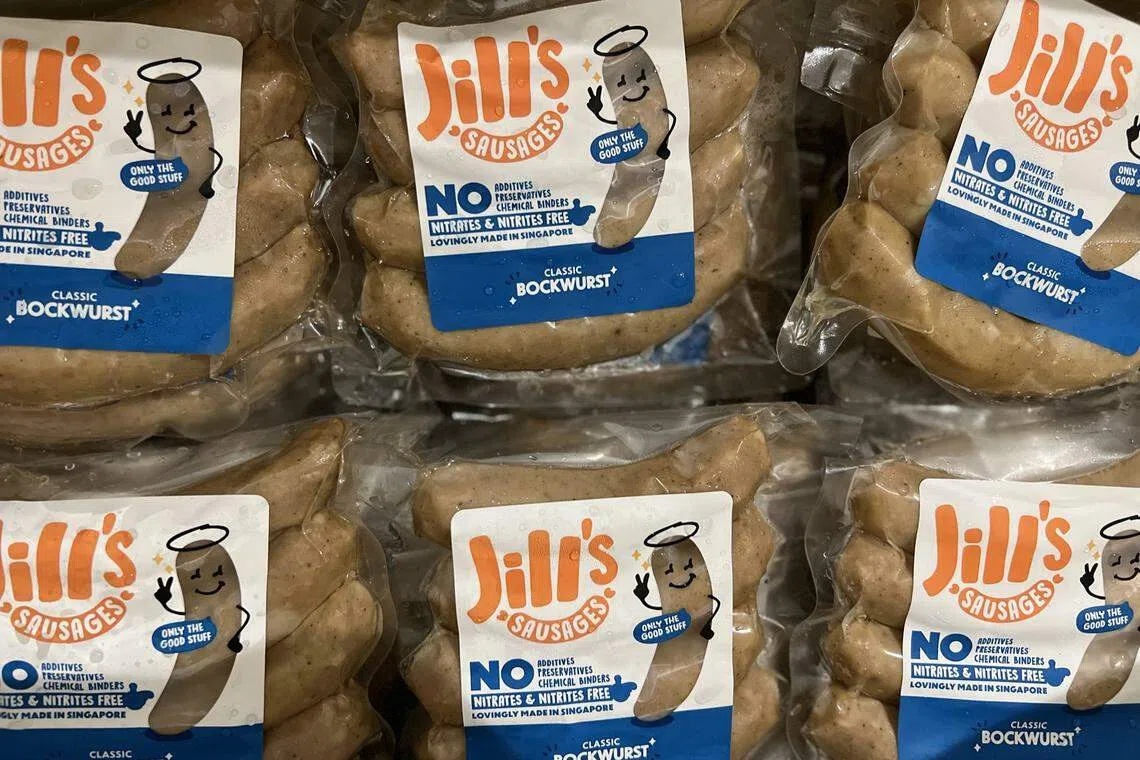
This spurred him to set up Jill’s Sausages – named after his daughter – in early 2021, to produce and sell gourmet cooked and smoked sausages, hams and deli meats that target the Asian consumer. All of his products are made in small batches with no preservatives or additives, he said.
From wet market to factory
To test the market’s demand for his products, Lee decided to start small. He first rented a wet market stall in Bukit Panjang to mix, mince and stuff his meats, though cooking and smoking had to be done separately at home as the stall could not support these functions. His meats were sold at the stall and on the company’s website.
Said Lee: “We were consistently sold out every day. This helped me to confirm that there was a strong market for all-natural, additive-free deli meats and sausages.”
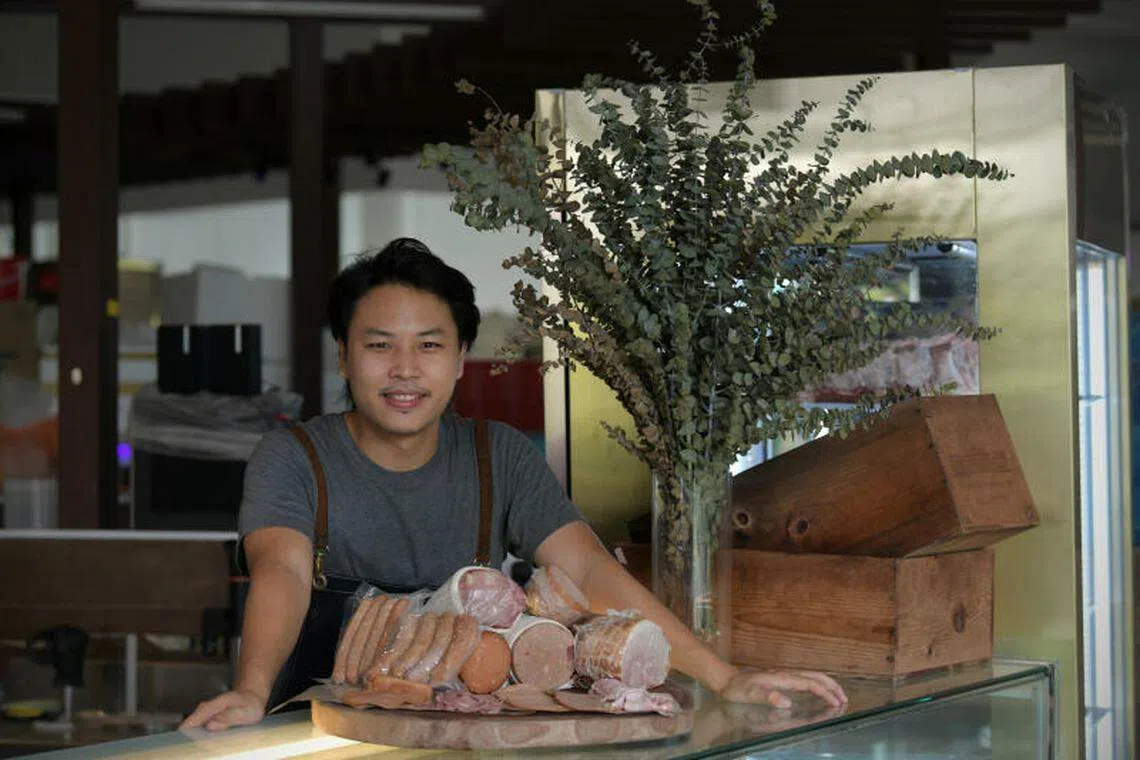
Armed with this newfound confidence, he decided to scale up and go into full-fledged manufacturing. In February this year, the company moved into a 3,000 square foot production facility at Pandan Loop.
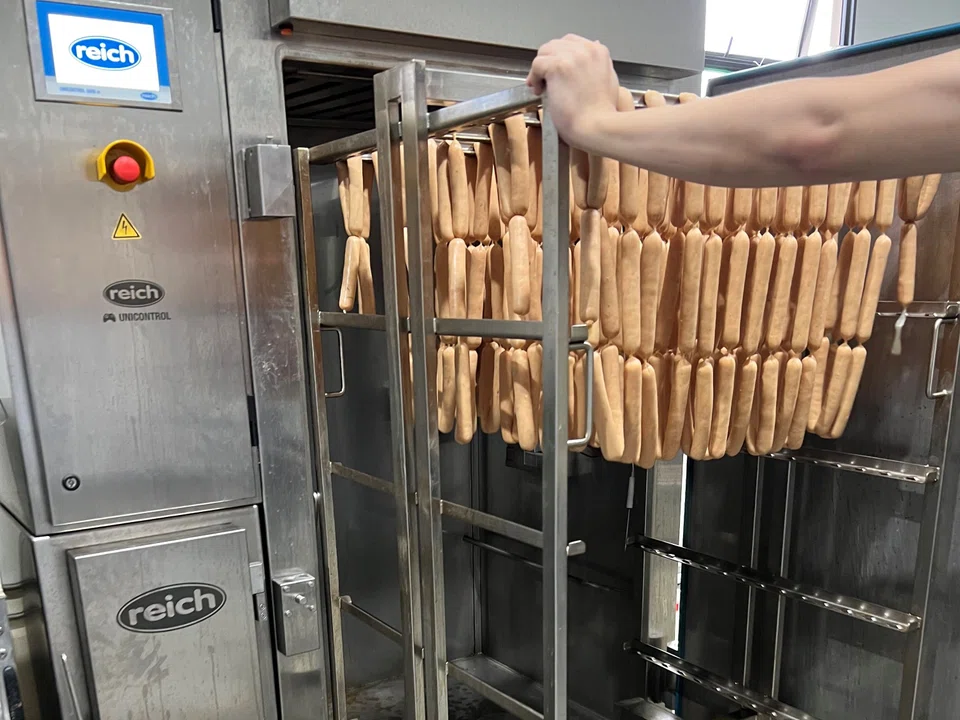
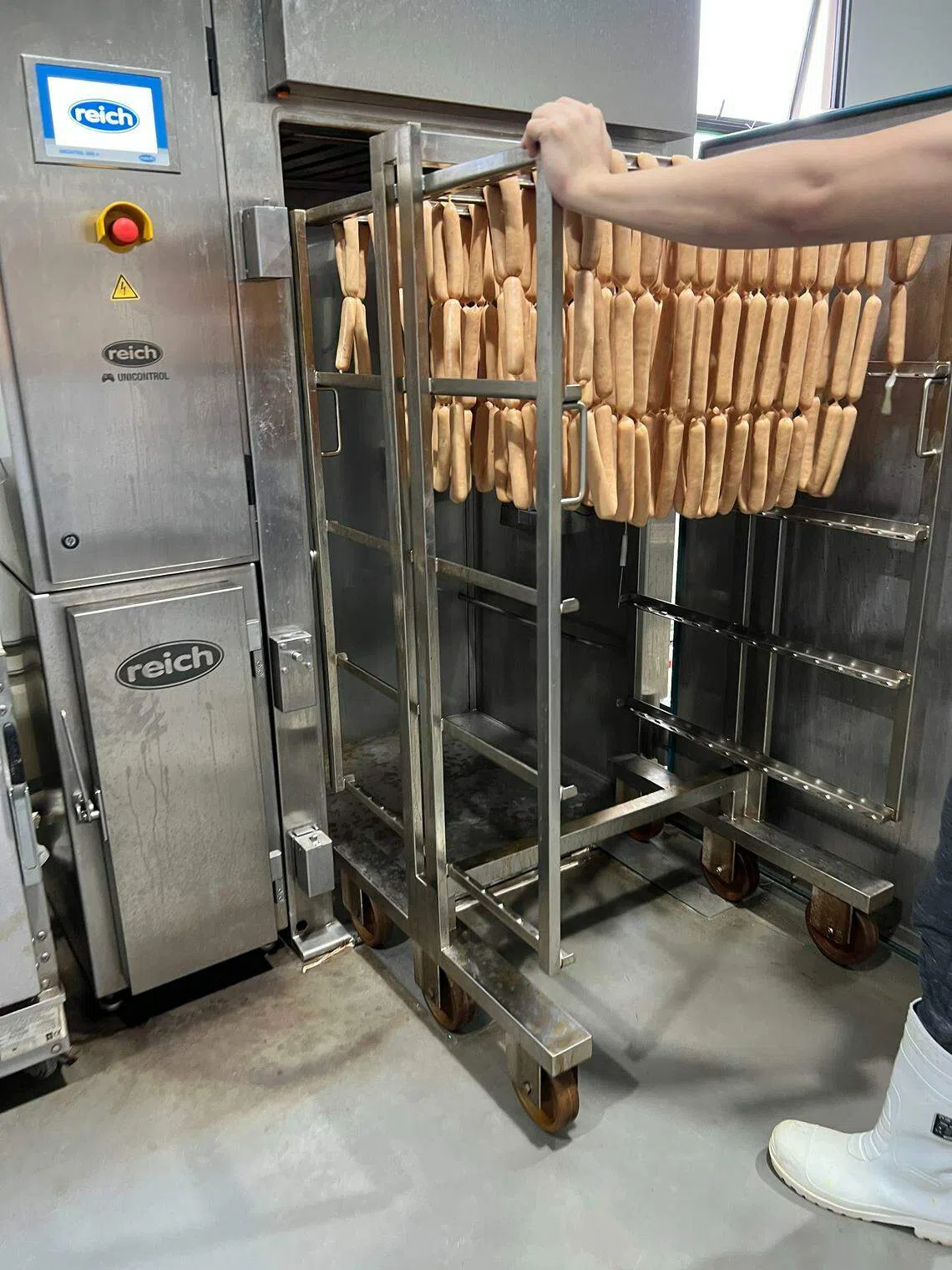
With the new space and industrial machinery, Jill’s Sausages can now produce 120 kg of meat a day, up from 20 kg to 25 kg at the wet market stall. The company invested in equipment to automate certain labour-intensive processes, such as the smoking and linking of sausages.
In addition, the team has expanded to include 2 full-time and 2 part-time butchers, freeing Lee up to focus on product development and sales.
Preservation without preservatives
While vacuum-sealed cooked sausages can stay fresh for 2 to 3 weeks without the use of preservatives, Lee’s sausages have a shelf life of about 2 months.
This is because his meats go through a preservation method called high-pressure processing. The longer shelf life also makes his products more export-competitive, he added.
He also binds his sausages using natural binders such as skim milk powder and common starches, instead of using phosphate additives.
Today, business-to-business transactions form about 70 per cent of Jill’s Sausages’ overall sales, with its customers consisting of independent butcher shops, restaurants and cafes. Apart from its own website, the brand’s products are also listed on online grocery platforms RedMart and OpenTaste.
“It’s not easy for a small brand like us to work with big supermarkets…as a new brand, it takes time for the awareness to build (among consumers). So working with businesses seems like a much faster way to grow our business,” Lee said.
To date, he has invested over S$500,000 into Jill’s Sausages, and expects to break even by the end of this year.
Staying competitive and relevant
Despite Jill’s Sausages’ being just 18 months old, Lee already has big plans in store. The brand is expanding its range of products to include more sausage flavours and meat options: it recently introduced a spicy Thai pork sausage, and is exploring the production of “clean label” luncheon meat.
Another business segment Lee wants to grow is its ham product line, for which he believes there is a “huge market”.
“Hams are mostly made by bigger manufacturers, and 99 per cent of them are not ‘clean label’,” he said. “There’s only 1 such brand imported by Cold Storage, and their retail price is twice that of ours.”
The goal is for Jill’s Sausages to be a first mover in East Asia and South-east Asia in producing “clean-label” smoked sausages and ham, Lee said. To his knowledge, there are currently no domestic manufacturers in Asia doing so.
“A few manufacturers are in Europe and North America, and maybe 1 or 2 in Australia…but globally, there’s a very big lack of supply. We are probably the only one in this space.”
Lee is in discussion with several halal meat manufacturers to embark on joint ventures in the region. He also hopes to find an overseas distributor for the brand within the next 3 years and export to Japan and South Korea.
“The spending power of those countries are on par with Singapore, (so) they are used to our price points. They are also a very educated market that takes care of what they eat.”
This is the second of a 3-part series on home-grown gourmet food manufacturers that are making waves in Singapore’s F&B scene.
TRENDING NOW

Could stablecoins be the future of money?

Philippine power giant First Gen rebuffs foreign offers, plans up to US$2.6 billion in expansion
GIC-backed Bank Jago sees wealth management as next growth engine as Indonesian investor base grows
The middle power moment arrives in South-east Asia – but not for Asean

