Cloudy with a chance of closure: A failed recipe for Deliveroo, Grab and foodpanda
Food delivery platforms have ended their cloud kitchen business in Singapore, though some dedicated operators remain upbeat

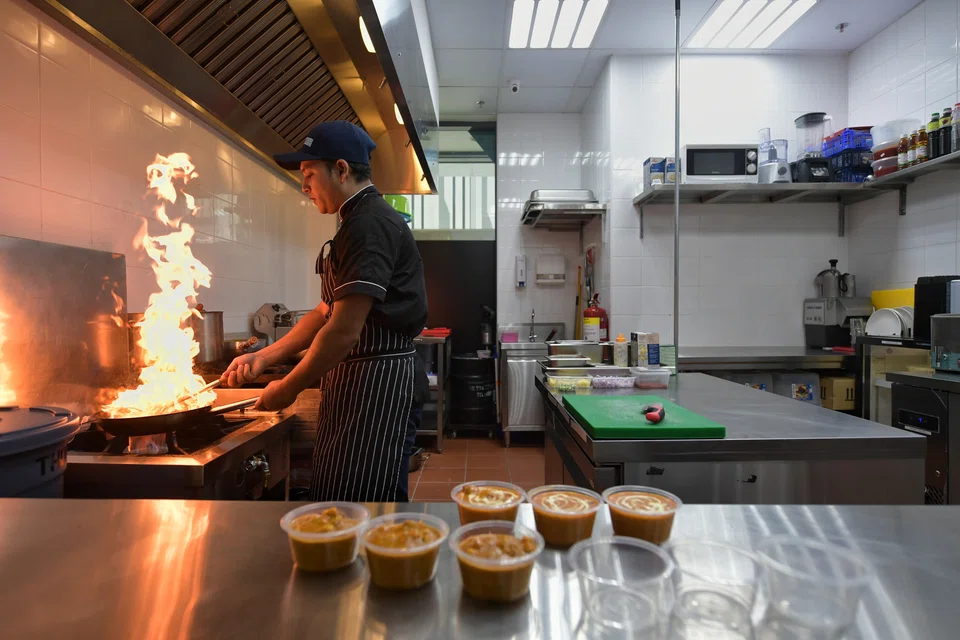
SINGAPORE no longer has cloud kitchens run by delivery platforms, after Deliveroo closed its last two in August. But at least two operators of such kitchens remain, even as some food and beverage (F&B) brands move away from the model.
Cloud kitchens, which prepare food for delivery or pick-up without a shopfront, boomed amid Covid-era dine-in curbs.
Typically providing 100 to 250 square feet per tenant, they cost less to set up and run than dine-in restaurants. They also serve as low-risk springboards for entrepreneurs to test brands.
But delivery platforms have since shut these in the name of optimising costs.
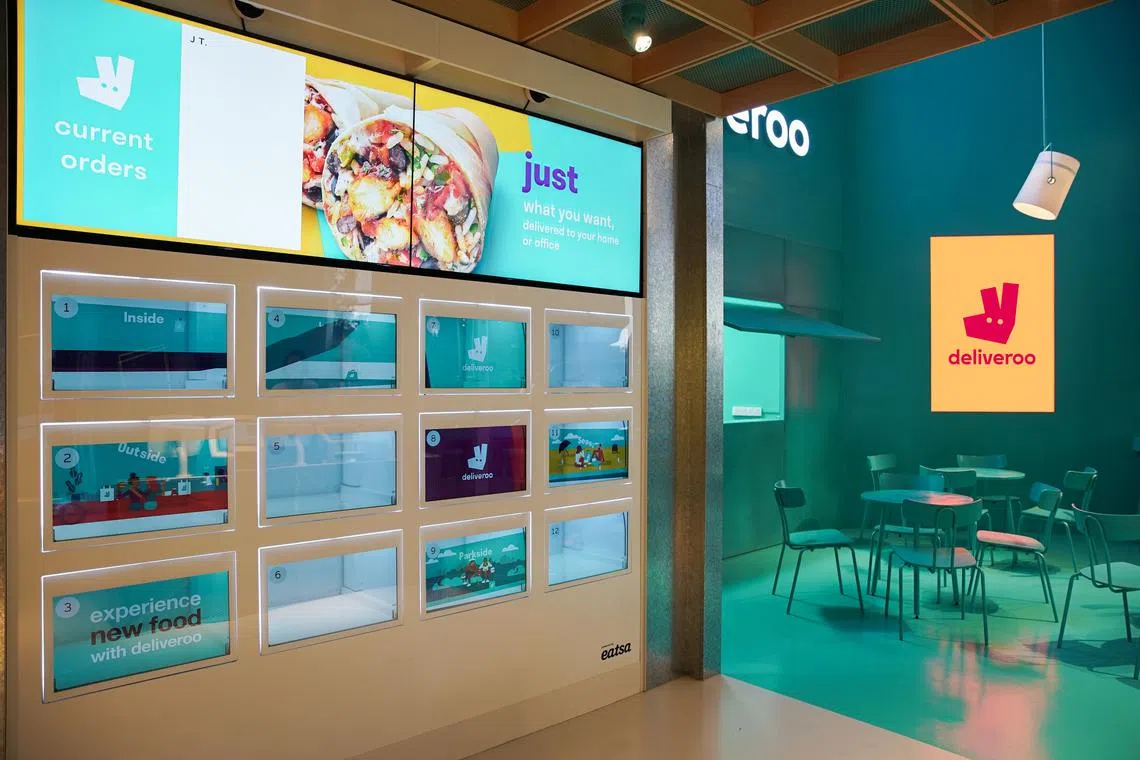
On Aug 20, Deliveroo shut its last two cloud kitchens here, citing high operational costs and waning demand from restaurants.
Grab had closed its last cloud kitchen in Hillview in early 2024, after closing an earlier one in Aljunied in 2022 and discontinuing such services in Vietnam, the Philippines and Indonesia.
A foodpanda spokesperson told The Business Times that it had closed its two cloud kitchens in mid-2022 “to focus on higher-growth business verticals” such as food delivery and its cloud grocery store pandamart.
Li Jianggan, founder of consultancy Momentum Works, noted that delivery platforms have gone beyond deliveries and into other businesses such as dine-in deals and advertising opportunities.
These platforms would thus “need to allocate their investment and resources to areas with the highest return on investment, so it is natural for them to make adjustments” such as closing cloud kitchens, he said.
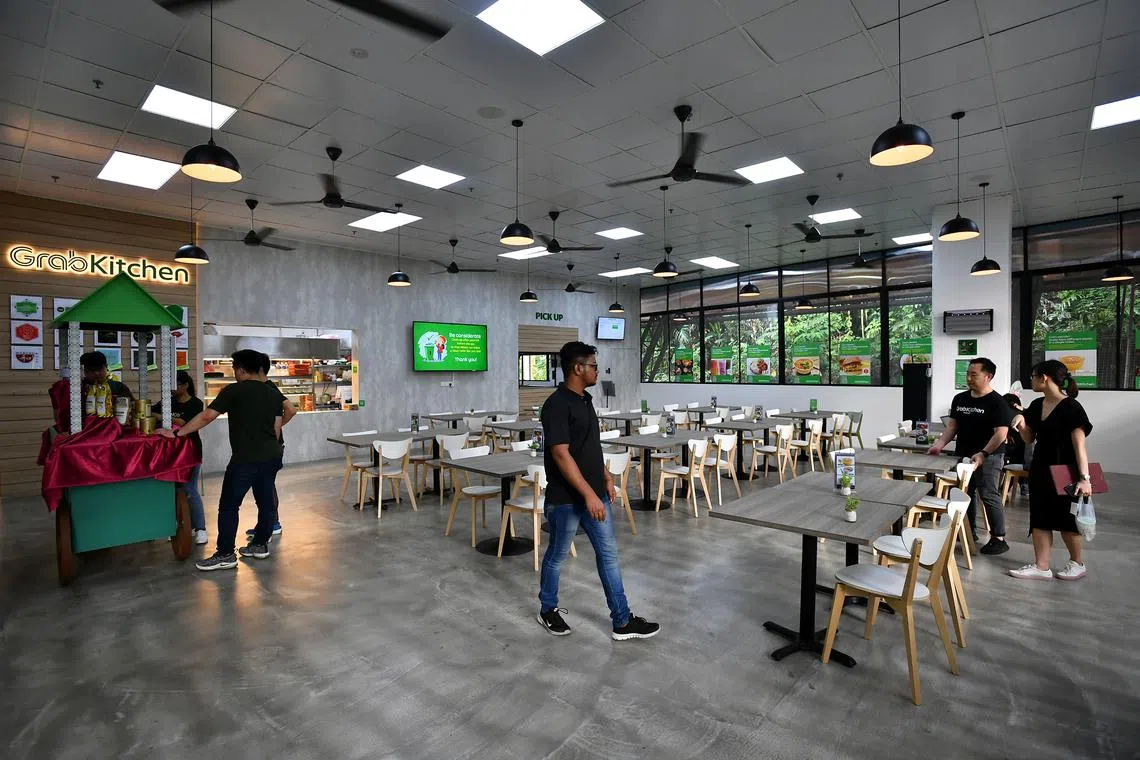
Pandemic-era demand also drove the rise of cloud kitchen operators without delivery services. But things have since fizzled out for some.
In 2021, food caterer Select Group said it would invest S$10 million to open 20 cloud kitchens in Singapore over the next five years. But in response to BT’s queries, Select Group said it has closed all four of its former cloud kitchens due to “very low demand” from F&B operators, post-Covid.
In 2020, foodtech firm TiffinLabs said it planned to set up 1,000 cloud kitchens across Asia, Europe and the US. Its website is no longer functional, and the company did not reply to BT’s request for updates by press time.
Tight margins, tighter spaces
Some former tenants of cloud kitchens have moved out to optimise costs.
Bubble tea chain Playmade joined Grab’s Hillview cloud kitchen in January 2020 to serve customers in the area, where it had no physical store.
Later that year, it took on leases at shared kitchen operator Smart City Kitchens’ (SCK) Tampines North and Clementi sites, and joined Grab’s Aljunied cloud kitchen.
But over time, the delivery-only model “didn’t make sense”, especially without walk-in sales, said Playmade co-founder Amanda Poo.
This was because tenants had to pay rent and a percentage of gross turnover to cloud kitchen providers, on top of 30 per cent in commission to delivery platforms.
Playmade would therefore need large delivery volumes for decent profits, yet bubble tea orders tend to be small. Customers have also shifted away from buying bubble tea via delivery platforms, said Poo.
Playmade exited its cloud kitchen spaces between August 2020 and December 2022, once leases were up. It now delivers from its physical stores.
Huttons Asia senior director of data analytics Lee Sze Teck said: “As operating costs from manpower, materials and utilities increased greatly after Covid, many cloud kitchens have a hard time keeping the business afloat.”
Other tenants took up cloud kitchen space to trial virtual brands, which have since moved to brick-and-mortar establishments.
These include casual Italian concepts Burrata Joy and Gustavo Lapasta by Italian restaurant Garibaldi.
Both brands shared a unit at Deliveroo’s cloud kitchen at Alice@Mediapolis from June 2020 to December 2021. This allowed the group to test new concepts with little capital expenditure, said Walter Visioli, general manager for the Garibaldi group of restaurants.
“But if the brand is performing well, there is honestly only so much you can do with delivery,” he said. “With a small restaurant, you can upsell through beverages, the service… the experience is more fulfilling for us and the customer.”
The group thus opened a physical restaurant at Katong in 2022, merging Burrata Joy and Gustavo Lapasta.
The limited storage space in cloud kitchens means a need for frequent deliveries, driving up costs, he added: “Logistically, it’s very intensive and unsustainable.”
Hiring and retaining staff for these kitchens is also tough.
“For staff working in such a small environment and only dealing with orders coming through, the experience is not as rewarding… it was difficult for us to boost the morale of the chef and maintain motivation to work in such a transactional environment,” he said.
Cloud kitchens could make more sense for fast-food brands where customer interaction is comparatively minimal, he added.
Sunny with a chance of meatballs?
Still, dedicated shared kitchen operators remain upbeat.
SCK plans to open eight more cloud kitchens in the next two years, in business parks close to residential neighbourhoods. It currently has eight cloud kitchens in industrial areas including Tampines North, Clementi and Sembawang.
General manager Zoe Chow has seen a “steady uptick” in demand from tenants, though she declined to reveal occupancy rates.
Most tenants are mass market brands looking for a low-cost way to expand their delivery radius beyond that of their physical stores, she said.
However, SCK did shut two kitchens at Telok Ayer and Orchard in July 2023 and May 2024 respectively, as delivery volumes fell short of projections.
“There was a lot of competition in the city centre, with many restaurant and food choices that people could order from,” said Chow. “So this was part of our normal footprint optimisation.”
Delivery order value from SCK’s tenants has risen 15 per cent for January to August 2024, compared to the same period last year.
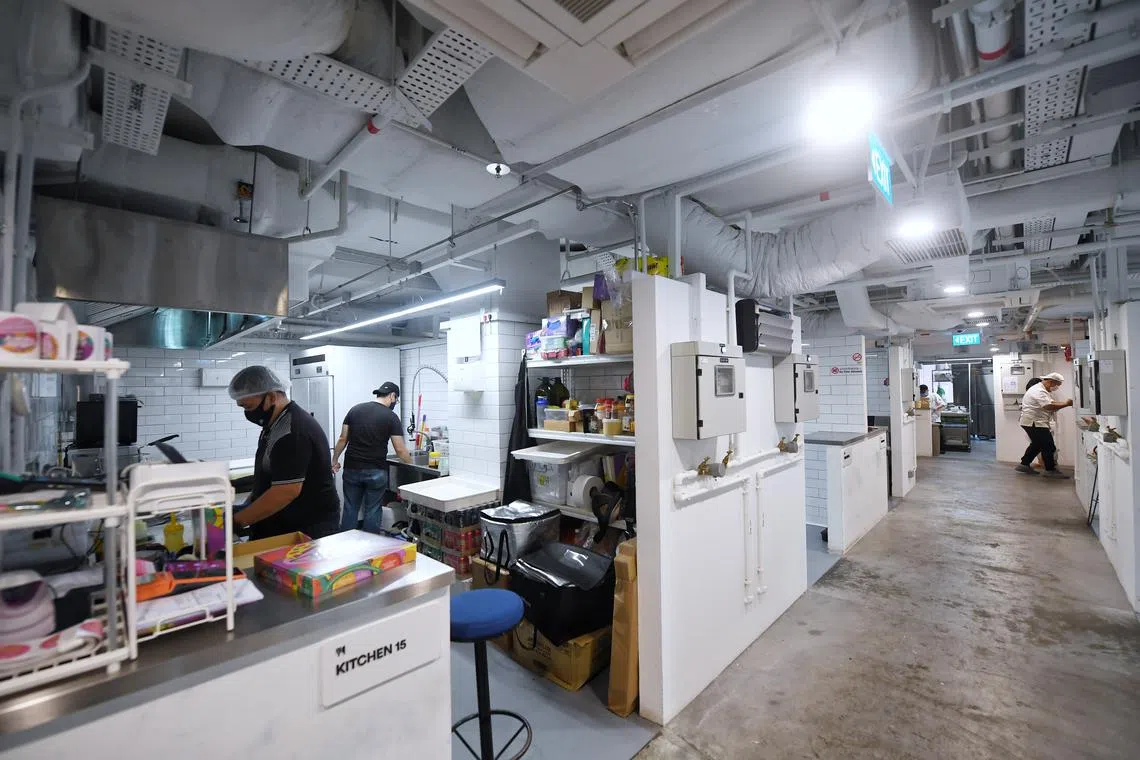
The Social Kitchen’s seven cloud kitchens are fully occupied, mostly by fast casual eateries.
Delivery volumes have remained stable year on year post pandemic, said co-founder Ang Kian Peng. The social enterprise converts under-utilised kitchens into cloud kitchens and provides employment to marginalised individuals.
Brenda Ong, head of logistics and industrial at Cushman & Wakefield Singapore, said the value proposition of cloud kitchens remains unchanged: They allow F&B businesses to reduce upfront costs and overhead expenses.
That is one reason that Indian cuisine chain Saffrons – which has three restaurants – intends to keep operating its cloud kitchen at SCK’s Tampines North site.
It took up the unit after shutting one restaurant in Tampines in July 2022 due a rental hike. It has a remaining flagship store in the neighbourhood.
Operations manager Adiman Mansor said delivery volumes have been supported by regular customers.
“Previously, when our restaurant was handling both dine-ins and delivery, it was very messy, with riders waiting in front of your shop and customers queuing during lunchtime.”
The company has also cut costs by 30 per cent by operating a cloud kitchen – which needs less labour – rather than a brick-and-mortar restaurant.