


Crunch some crickets: Insects on the menu at some bars and restaurants in Singapore
A number of operators have seen keen interest in such items ahead of official nod

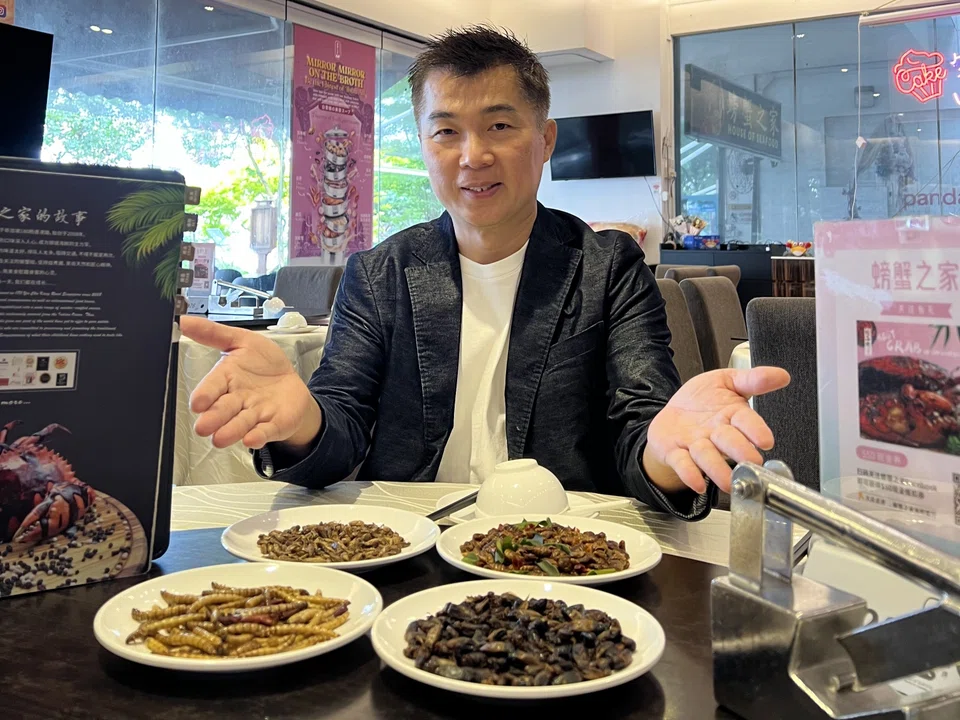
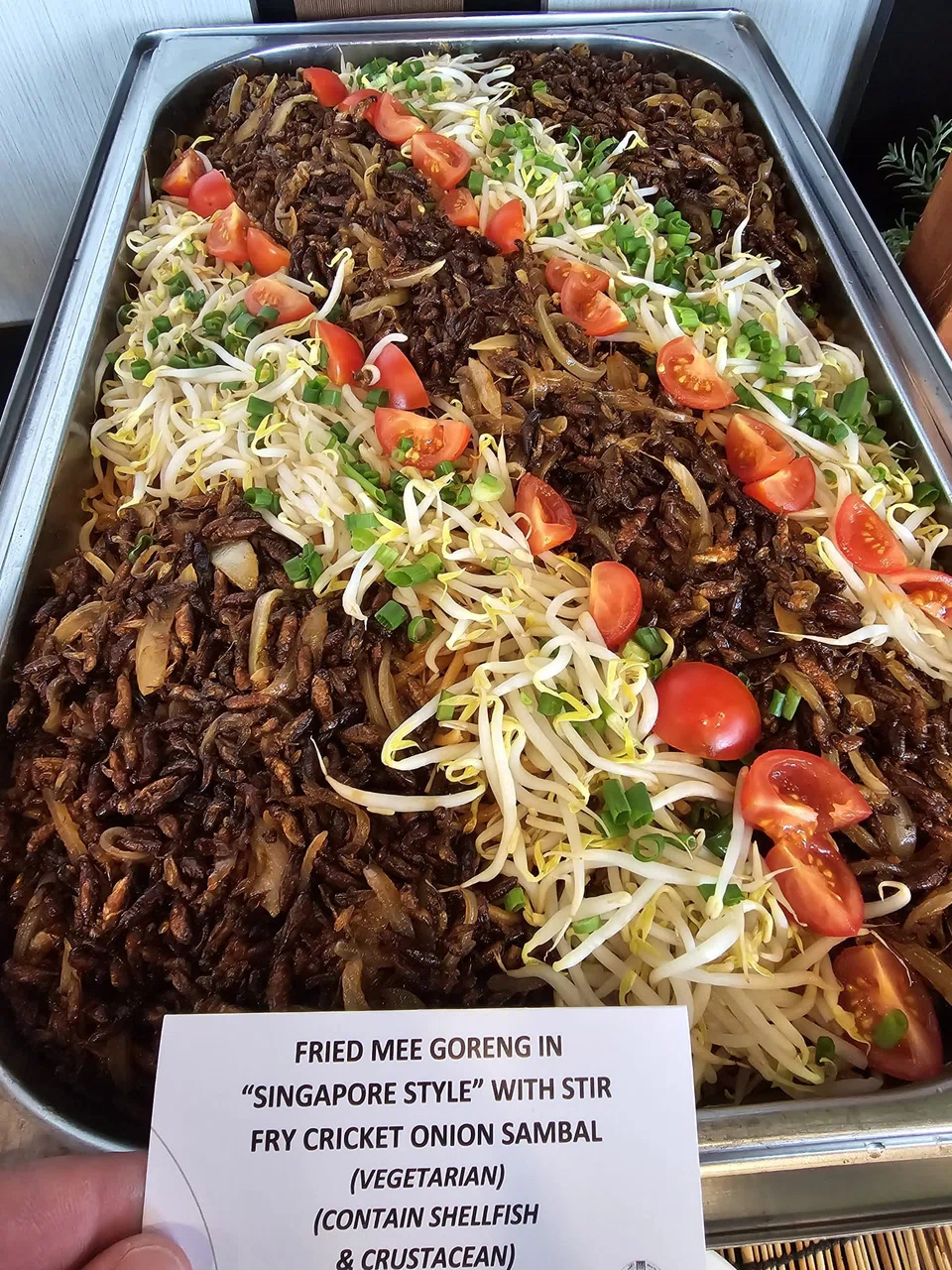
DINERS in Singapore will soon be able to try dishes such as pan-fried mealworms and cricket-topped sushi, once official approval is granted for insects to be sold for human consumption.
Originally due by the second half of 2023, this regulatory framework is now expected to be released in July by the Singapore Food Agency (SFA).
Ahead of this, some restaurants and bars have already prepared a range of dishes with insects among the ingredients – and are getting keen interest from customers.
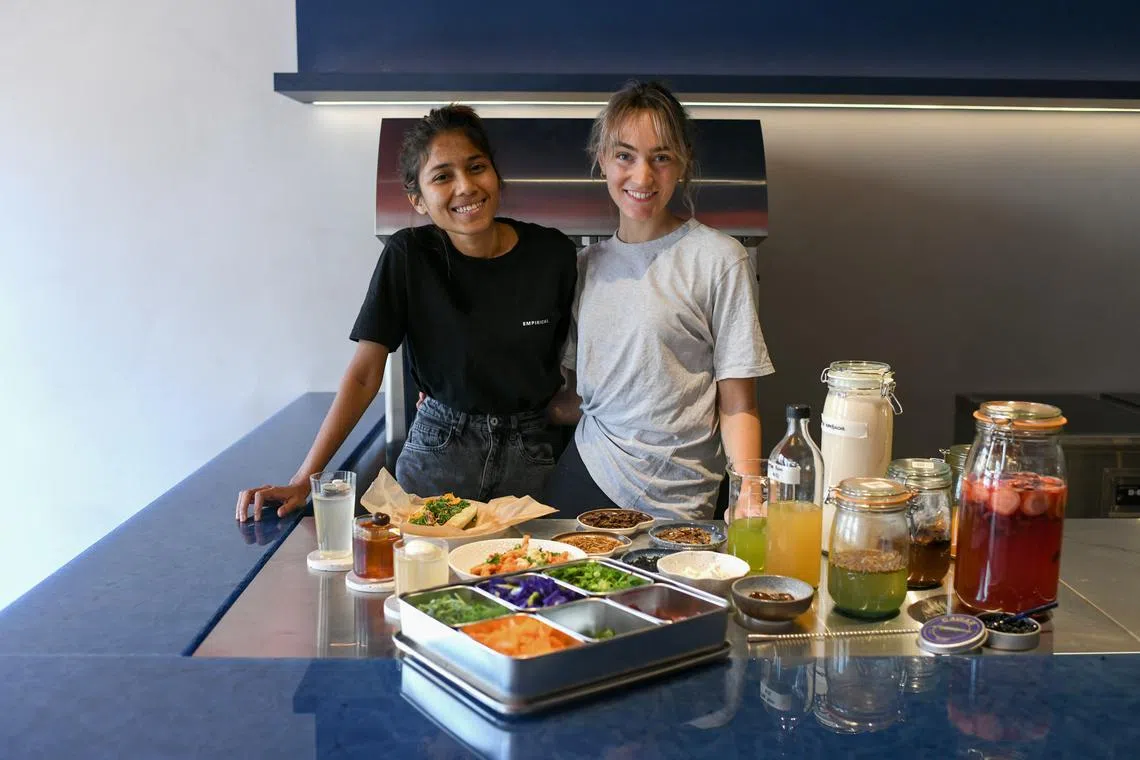
Sustainable gastrobar Fura has insect-based food and drink items listed on their menu as “coming soon”, and receives requests for them “almost on a daily basis”, said co-founder Christina Rasmussen.
“Nearly all are counting down the days to try (these items),” she said. Insects are among the “future protein” sources and low-carbon ingredients that Fura uses in its push for sustainable dining.
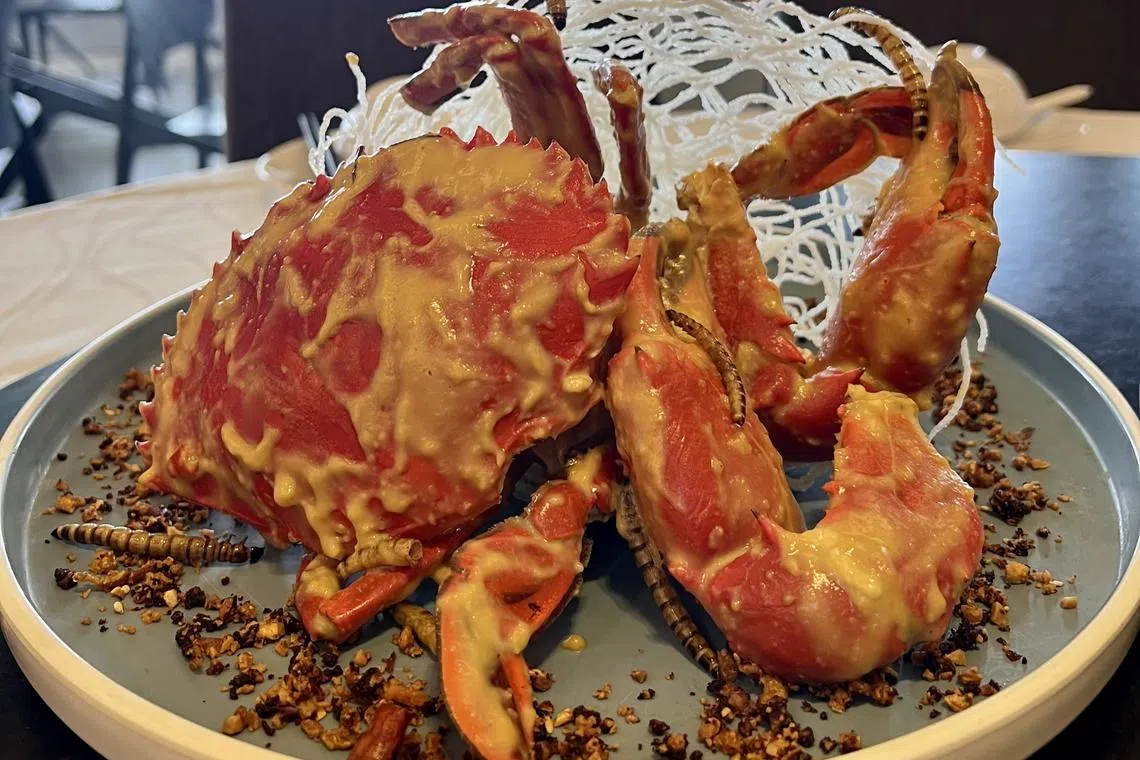
Local Chinese restaurant chain House of Seafood intends to roll out 30 dishes featuring insects at its Punggol outlet once SFA approval is granted.
Most of these use insects as toppings on items such as sushi or crab. Five dishes use insect powder as an ingredient – mixing cricket powder into glutinous rice balls, for instance. Toasted insects will also be available as appetisers.
Chief executive Francis Ng intends for these dishes to eventually contribute around 20 per cent of branch sales.
“At least eight to 10 people have been calling me every week to request our insect-based dishes, but I’ve had to turn them down because we can’t sell them yet,” said Ng.
Most of the interest comes from diners aged 40 and below, he added.
Ng hopes to gain a first-mover advantage over other Chinese restaurants, which “would not dare” to serve insects and risk putting customers off.
“But I see a great demand in Singapore, especially from youngsters who are willing to try new things.”
Since 2022, more than 100 diners have tried House of Seafood’s insect-featuring dishes in four SFA-approved closed-door tasting sessions, including an eight-course dinner in partnership with local startup Altimate Nutrition last December.
At Shangri-la Singapore, Origin Bar plans to serve a chocolate-coated toasted cricket alongside its new cocktail – cheekily titled Starbugs – once SFA approval is granted.
“Singapore’s beverage market is extremely competitive, and we hope to gain an edge with crickets,” said bar manager Rishvinder Randhawa.
Putting insects on the table
Before these regulatory moves, some restaurants in Singapore were already serving critters.
In 2023, several Chinese and Korean eateries were reportedly serving silkworm pupae – but as these were not approved for consumption, they were later taken off the menu.
Up till at least the mid-2000s, Imperial Restaurant at Havelock Road – previously known as Imperial Herbal and located in Metropole Hotel – served ants and scorpions.
A staff member told The Business Times that the restaurant had stopped selling its insect-based dishes “for a long time”, but might bring them back if regulatory approval is granted.
Regulatory delays aside, consumer acceptance remains a worry for some. Chinese restaurant chain Tung Lok Group is open to exploring insects as a sustainable, high-protein food source, but will adopt a more cautious approach.
The group recently collaborated with Altimate Nutrition to cater eight insect-featuring dishes for the Insects to Feed the World Conference in Singapore – but does not intend to roll these out at its restaurants.
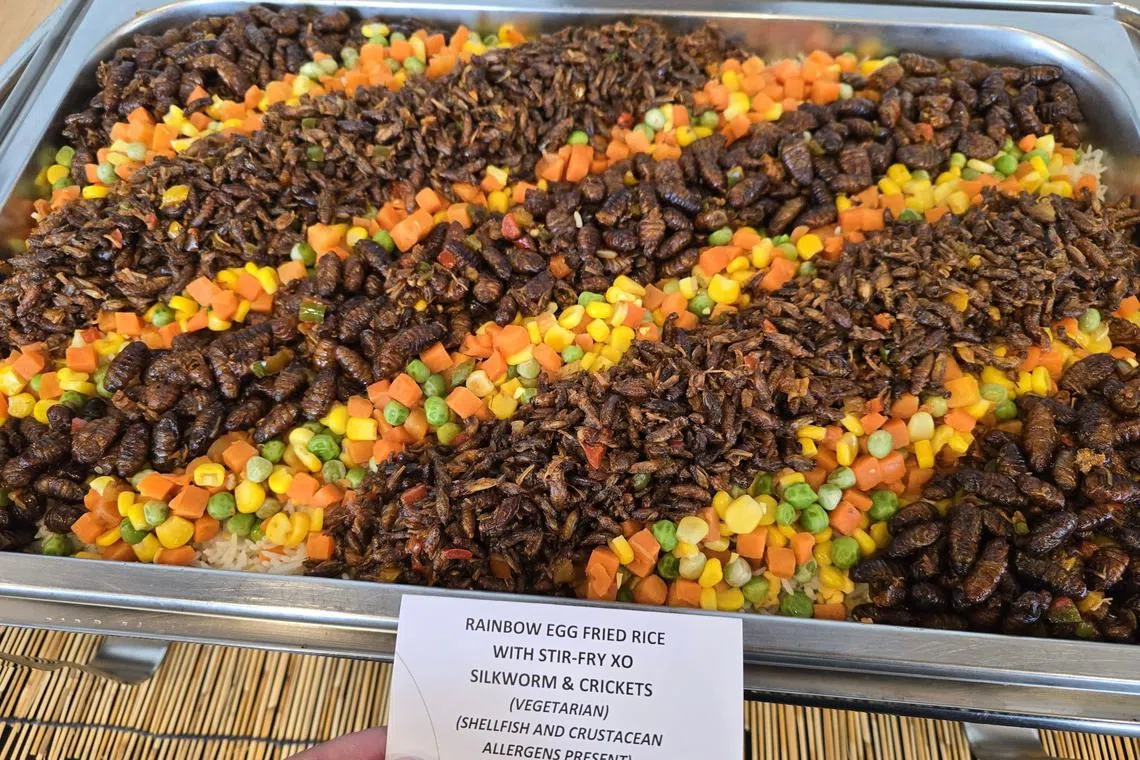
Vincent Phang, CEO of Tung Lok’s events and catering division, said: “We are afraid that some diners may not want to come back if we serve insects, so we need to be careful.” He added: “Events are a good start for us to see how consumers... take to them.”
The dishes at the conference included noodles with stir-fried silkworms and crickets; sandwiches with cricket pesto and fried crickets; and churros dusted with cricket powdered sugar.
The group is considering adding dishes with insects as catering options for festivities such as Halloween, Christmas and Chinese New Year.
“For the upcoming Chinese New Year, I may even consider using some of the worms for yusheng,” quipped Phang, referring to the traditional tossed salad dish.
At Fura, insects are incorporated at different degrees of visibility – from koji rice crumble made with grasshopper flour, to pan-fried mealworms infused with a chilli spirit.
The bar carried out a lot of research and development to “seamlessly integrate” insects into its dishes, rather than having them perceived as a “gimmick or gag joke”, said Rasmussen.
“The point of serving insects is to show the depth of flavour and variety,” she said. “We’re not just putting a bug on top of a drink or serving it on a skewer: there’s fermentation, distillation and infusion involved.”
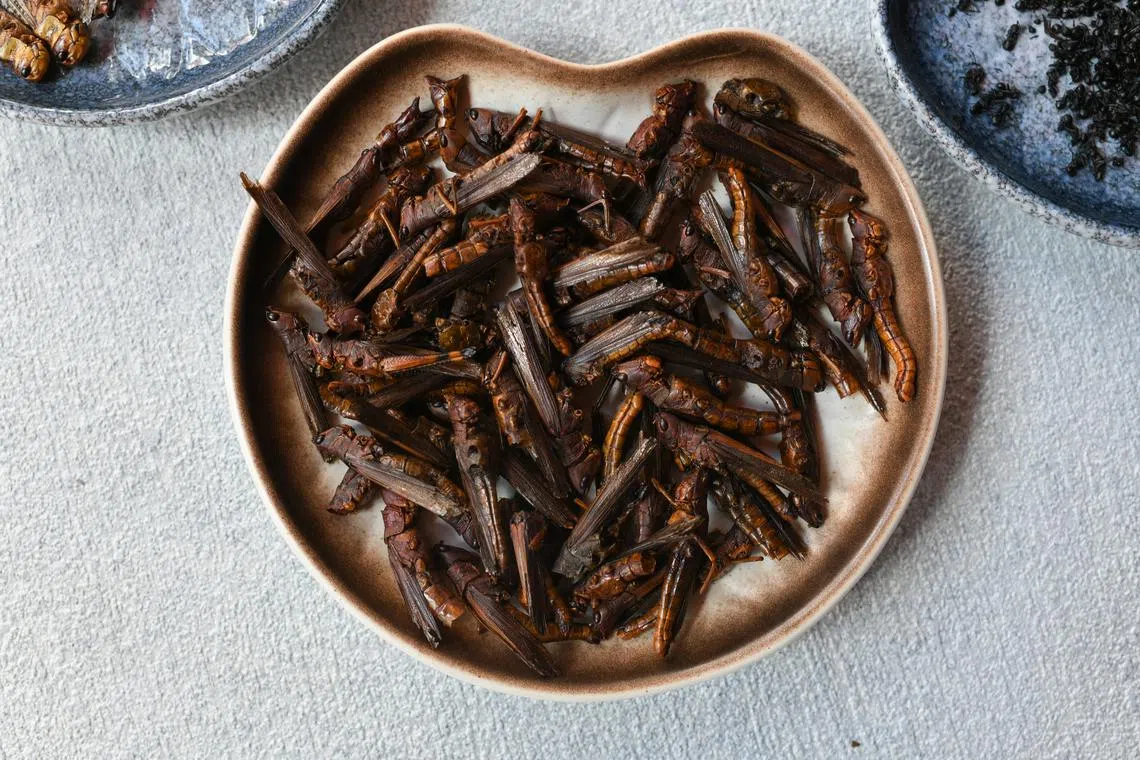
Seeing is bee-lieving?
House of Seafood’s Ng, meanwhile, sees value in showing insects in their original form.
In earlier tastings, House of Seafood mixed silkworm and cricket powder into items such as prawn rolls to encourage people to consume them without fear, said Ng.
“But during that time, many diners asked me: ‘Where’s the insect?’ They found the food nutritious, but wanted to physically see the insect,” he said. “I was quite amazed.”
This prompted his kitchen to feature whole insects more prominently, such as using them as toppings or serving them whole as appetisers.
To attract more diners, Ng intends to sell his insect dishes at the same price as non-insect equivalents. For instance, a dish of chilli crab topped with superworms will cost as much as a regular chilli crab, sans topping.
Associate Professor Roman Carrasco from the National University of Singapore’s Department of Biological Sciences said that it will take time to establish a culture of consuming insects in Singapore, but added: “The presence of insects in restaurants and being used by celebrity chefs could be a way to increase people’s acceptability.”
TRENDING NOW

Vietnam’s northern provinces, not Hanoi or Ho Chi Minh City, are powering near 10% GDP growth

VietJet hit with global asset freeze in FitzWalter dispute

Gridlock or growth? The Asean Power Grid faces a critical window of opportunity

LNG, stronger regional power links key to Asean’s energy resilience: Shell

