


Defence engineering firm Marunda holds its own in an industry of giants
The Singapore-headquartered company supports defence operations around the region
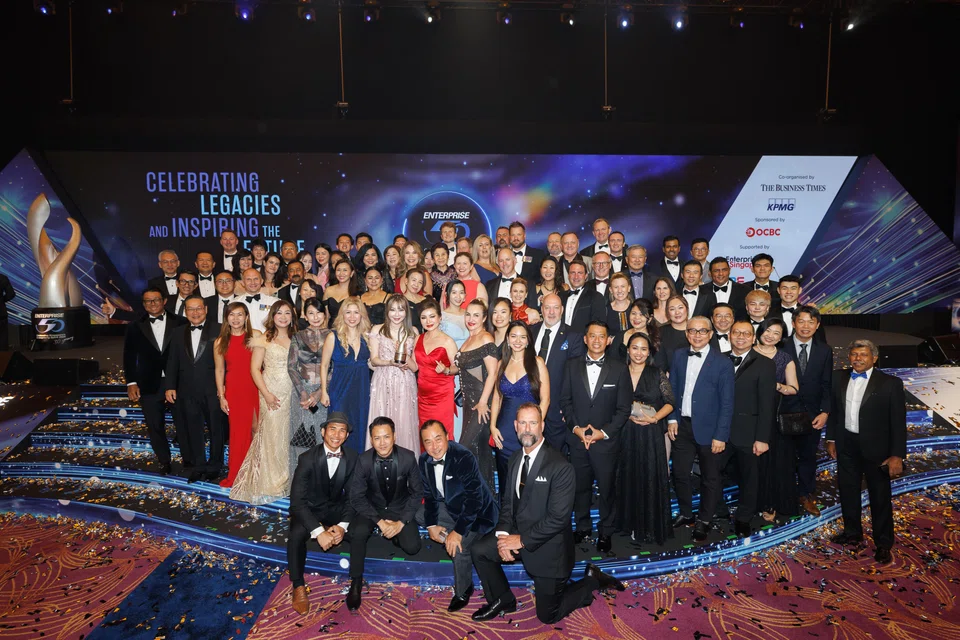
[SINGAPORE] In an industry traditionally dominated by multinational giants, defence engineering firm Marunda has earned its place on the global stage.
From its headquarters in Singapore and locations in Guam and the Philippines, Marunda supports defence operations around the region.
But the company has not always had a smooth journey since it was founded in 1985. Originally, it was a trading and power-generation representation business.
When co-founder Rachel Wong became the sole owner in 1992, Marunda was struggling to stay afloat.
Instead of walking away, Wong chose to stay and rebuild. Initially, survival was the goal. As she steadied the business, the focus shifted to proving Marunda could compete with the larger players.
Wong set out a vision to make Marunda a respected engineering company, trusted by defence organisations operating throughout the Indo-Pacific.
Uncharted waters
A key breakthrough came when Marunda secured its first US Navy contract in 2004.
The partnership raised the bar for the company, in every aspect from compliance and documentation to technical standards. It pushed Marunda to meet the high standards and requirements of global defence clients.
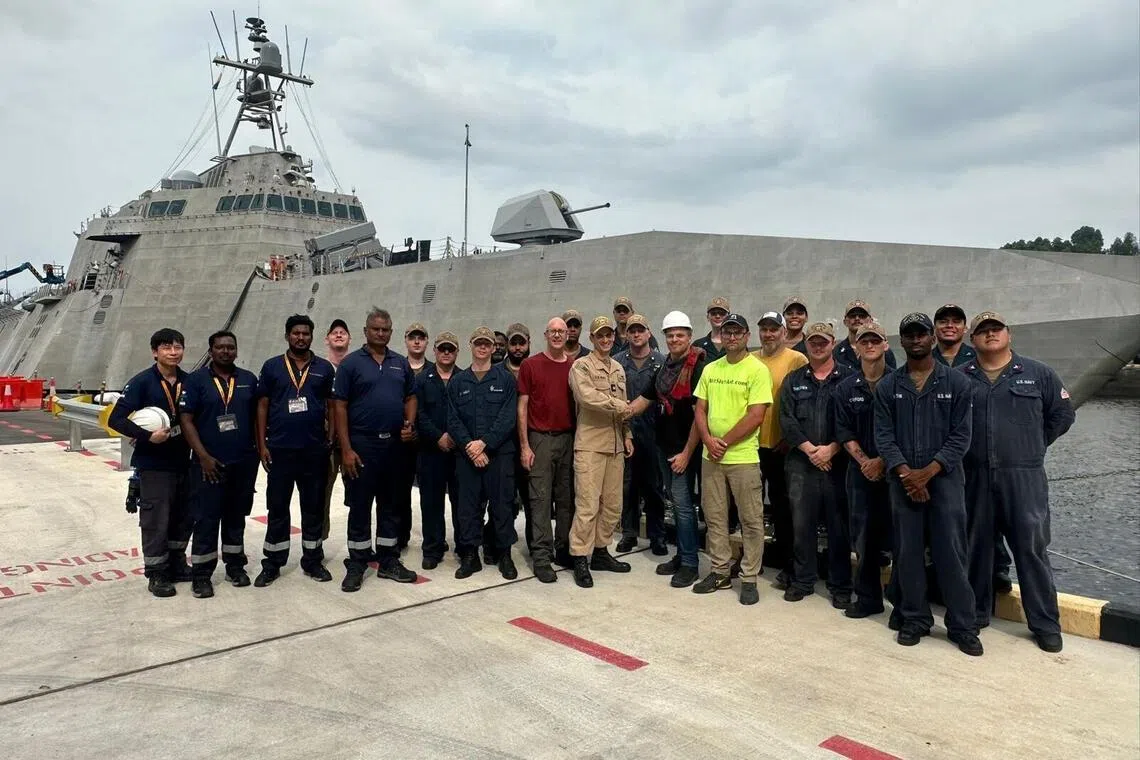
This set the stage for Marunda to establish a permanent presence in Guam in 2023. From there, it could provide point-of-need expeditionary repair and maintenance services for defence clients in a strategic part of the region.

Marunda plans to develop a self-sustaining ecosystem in Guam, supporting a local workforce that will grow along with the company.
The move to Guam has also paved the way for Marunda’s continued growth in the Indo-Pacific region.
Moving onwards
As governments increasingly award large contracts to defence companies, they need reliable regional partners to deliver on-the-ground services. Marunda fills this gap with its Indo-Pacific presence and strong technical track record.
The company positions itself as a specialised and dependable regional defence partner, offering responsive, compliant and locally anchored engineering solutions.
What also helps is that Marunda operates with a flat structure. Its staff stay close to the ground, working directly with ship crews and facility managers.
This enables swifter collaboration and allows the team to respond more quickly to operational challenges. The streamlined structure also empowers and encourages teams on the ground to suggest changes and share new ideas.
To stay ahead, Marunda is leveraging emerging technologies, such as advanced manufacturing for critical parts.
Behind Marunda’s success is a work ethos that has remained unchanged since its founding: discipline and reliability. As Wong described it: “We don’t overpromise, we focus on doing the job properly.”
This mindset of taking responsibility has been ingrained in the company since day one, from the leadership team down to every staff member on the ground.
Looking ahead, Marunda strives to deepen its presence in the Indo-Pacific region and further build up its reputation as a dependable partner in defence engineering.
This series is part of the Enterprise 50 Educational Project between the E50 partners and the NUS Business School. Marunda was among the winners in 2024. The annual E50 ranking is co-organised by The Business Times and KPMG, sponsored by OCBC Bank, and supported by Enterprise Singapore, Singapore Exchange and Singapore Business Federation.
Decoding Asia newsletter: your guide to navigating Asia in a new global order. Sign up here to get Decoding Asia newsletter. Delivered to your inbox. Free.
Share with us your feedback on BT's products and services
TRENDING NOW

Britain’s mansion tax shows the difficulty of targeting wealth

Once staunchly pro-China, Malaysian Chinese businesses are now distancing themselves from Beijing

The only common thing in S-E Asia is that we all eat rice: Cisco’s Asean president
Singapore data centre operator DayOne opts for US IPO at likely US$20 billion valuation

