Good that SMEs have a place in Singapore bourse
 Add BT as a preferred source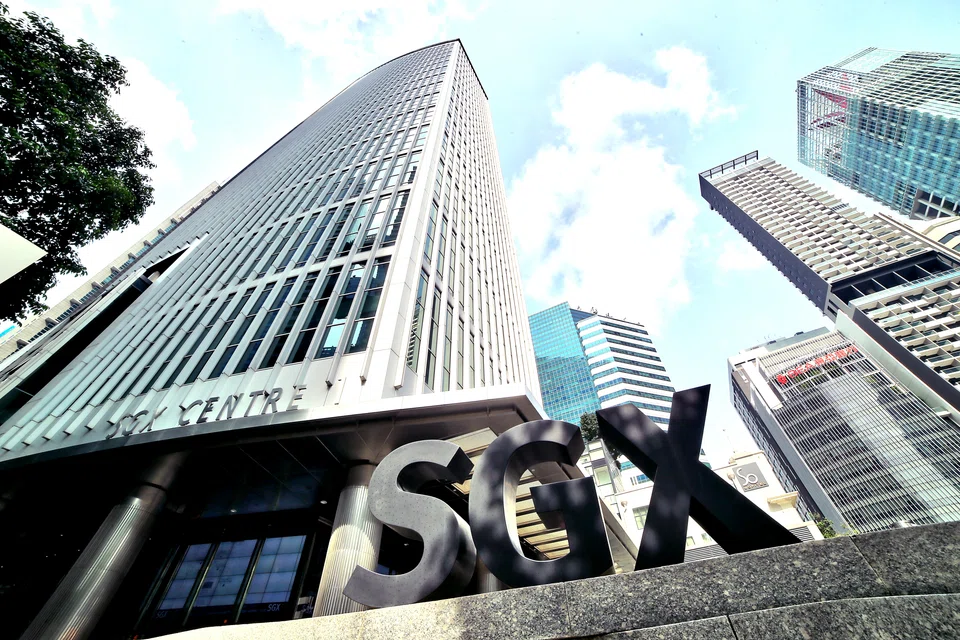
AT THE Singapore Exchange (SGX)‘s annual general meeting in October, its chairman Kwa Chong Seng said the exchange must look beyond equity assets and focus on areas where it can be competitive, adding that while it welcomes the listing of local small and medium-sized enterprises (SMEs), it is “not SGX’s role to save the SMEs’’.
Responding to questions, Kwa said the bourse operator is unlikely to be able to compete with players such as the US exchanges for company listings, given that Singapore is a “very small market”. While the admission might have raised a few eyebrows, it is nevertheless a hard truth. Ever since its formation via the merger of the Singapore International Monetary Exchange and the Stock Exchange of Singapore (SES) in December 2000, SGX has struggled to maintain and attract a critical mass of equities, especially home-grown SMEs. It has thus relied on derivatives and other assets like currencies and commodities for most of its growth.
This struggle extends back to 1990, when the Kuala Lumpur Stock Exchange (KLSE) abruptly severed ties with SES to go its own way. To maintain trading volume, the immediate response then was to continue trading some 200 Malaysian shares on an over-the-counter segment of SES known as Clob International. The strategy worked for a while, but eventually came to a painful end in 1998 at the height of the Asian financial crisis when the Malaysian authorities imposed capital controls, declared Clob to be an illegal market, and ordered the migration of all Malaysian stocks back to KLSE. The dire need to quickly fill the market void led to the rapid listing of hundreds of China firms, later known as S-chips. The less said about the ensuing 1998 to 2008 decade the better – without a proper regulatory framework to supervise foreign firms, investing in these companies was a largely hit-and-miss affair. As it turned out, it was mainly “miss’’ – weighed down by massive governance problems, the collapse of the China stock segment has now been dubbed “the S-chips debacle’’.